
TL;DR
The European Union has introduced a regulation requiring all new cars sold within member states to be equipped with driver monitoring cameras. This move aims to enhance driver safety and reduce accidents caused by drowsiness or distraction. The regulation is now in effect, but implementation details and industry reactions are still emerging.
The European Union has mandated that all new cars sold within member states must include a driver monitoring camera, a regulation that took effect immediately in April 2024. This requirement aims to enhance road safety by monitoring driver alertness and reducing accidents caused by distraction or drowsiness. The move marks a significant shift in vehicle safety standards across the EU, affecting automakers and consumers alike.
The regulation was announced by the European Commission in March 2024 and is now enforceable. It applies to all new passenger vehicles and light commercial vehicles sold in the EU, requiring manufacturers to install driver monitoring systems that track driver attention, fatigue, and possibly other behavioral indicators. The European Commission stated that the goal is to prevent accidents linked to driver inattention, which account for a significant percentage of road crashes in the region.
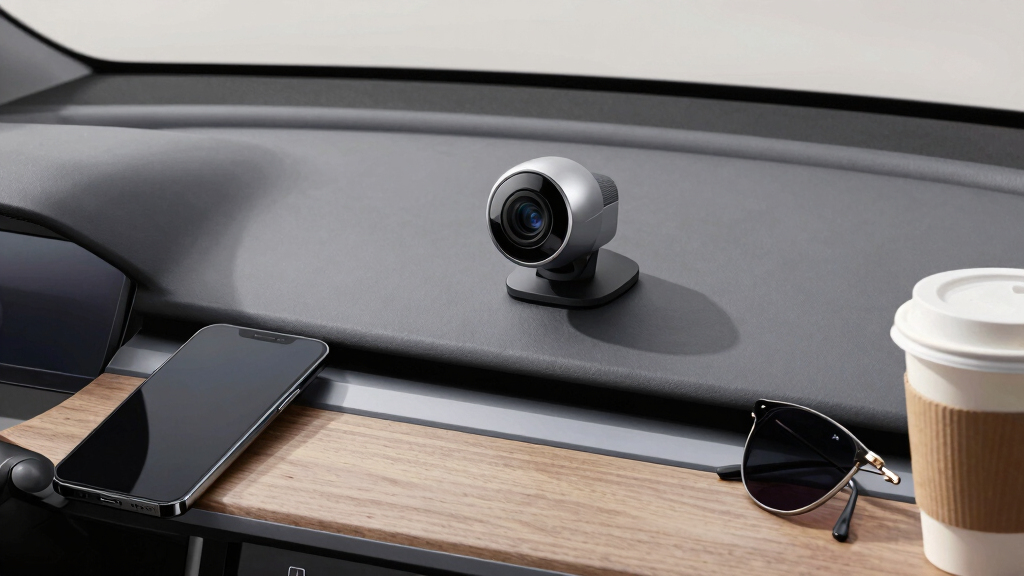
Automakers are required to comply with the new rule as part of their type approval process, with some already integrating or planning to integrate driver monitoring cameras into their upcoming models. The cameras are expected to use infrared sensors and AI algorithms to assess driver vigilance continuously. The regulation also mandates data privacy protections, with drivers informed about data collection and storage procedures.
Industry groups have expressed concerns about implementation costs and privacy issues, but safety advocates have welcomed the move as a step toward reducing road fatalities and injuries.
Implications for Road Safety and Automotive Industry
The regulation’s immediate impact is expected to be a boost in vehicle safety standards across the EU, potentially reducing accidents caused by driver distraction or fatigue. By mandating driver monitoring cameras, the EU aims to set a precedent for safety technology adoption worldwide. For automakers, this regulation involves integrating new hardware and software, which may influence vehicle design, costs, and pricing. Privacy concerns are also prominent, with regulators emphasizing strict data protection measures to address driver concerns about surveillance and data use.
driver monitoring camera for cars
As an affiliate, we earn on qualifying purchases.
As an affiliate, we earn on qualifying purchases.
EU Safety Regulations and Technological Advances
The EU has historically led in vehicle safety standards, with regulations on airbags, crash tests, and emissions. The recent mandate for driver monitoring cameras follows a broader trend toward integrating advanced driver-assistance systems (ADAS) and driver behavior monitoring. Similar systems are already in use in some premium vehicles, but this regulation makes it a standard requirement across all new models. The move aligns with ongoing efforts to reduce road fatalities, which in the EU numbered over 20,000 deaths annually before the pandemic, with distraction and fatigue being significant contributing factors.
Prior to this regulation, automakers voluntarily adopted driver monitoring features, but the EU’s mandate makes it a legal requirement, ensuring uniform safety enhancements across the market. The regulation also reflects advances in AI and sensor technology that make such systems feasible and reliable for mass production.
“This regulation aims to save lives by ensuring that drivers remain attentive behind the wheel, leveraging the latest safety technology.”
— European Commission spokesperson
infrared driver alertness camera
As an affiliate, we earn on qualifying purchases.
As an affiliate, we earn on qualifying purchases.
Implementation Details and Privacy Safeguards Unclear
While the regulation is now in force, specific details about how automakers will implement the monitoring systems, particularly regarding hardware standards and data privacy protections, remain to be clarified. It is also uncertain how enforcement will be monitored and whether penalties will be imposed for non-compliance. Additionally, the extent to which drivers will be informed or able to opt out of data collection is still under discussion.
AI driver fatigue detection system
As an affiliate, we earn on qualifying purchases.
As an affiliate, we earn on qualifying purchases.
Monitoring, Compliance Checks, and Industry Adjustments
Authorities in the EU are expected to issue detailed technical guidelines and conduct compliance checks in the coming months. Automakers will need to finalize their vehicle designs to meet the new standards, with some likely to introduce updates in their upcoming models. Consumer awareness campaigns about the new safety features and data privacy rights are also anticipated. The regulation’s long-term impact on road safety and the automotive market will become clearer as these implementations unfold.
car driver attention monitoring device
As an affiliate, we earn on qualifying purchases.
As an affiliate, we earn on qualifying purchases.
Key Questions
When does the driver monitoring camera requirement take effect?
The regulation is effective immediately as of April 2024, requiring all new cars sold in the EU to include driver monitoring cameras.
Are there privacy protections for drivers under this regulation?
Yes, the regulation mandates that drivers be informed about data collection and storage, with strict privacy safeguards in place. Details are still being finalized.
Will existing cars be affected?
No, the regulation applies only to new vehicle sales. Existing cars are not required to be retrofitted with driver monitoring systems.
How will automakers implement these systems?
Automakers will integrate infrared sensors and AI-based software to monitor driver alertness, with details varying by manufacturer and vehicle model.
Could this technology lead to increased vehicle costs?
Potentially, yes. The added hardware and software may increase vehicle prices slightly, but safety benefits are expected to outweigh costs.
Source: hn