A good emergency kit for micromobility riders includes essential safety items like a first aid kit, reflective gear, and a portable phone charger for quick communication. It should also have basic bike maintenance tools, such as multi-tools and tire repair supplies, to handle minor mechanical issues on the spot. Weather-appropriate gear like waterproof jackets and gloves keeps you comfortable, while items like a flashlight enhance visibility. Keep your kit well-stocked and organized—there’s more to discover to stay fully prepared.

Get bike and ride gear delivered free with Prime
- Fast, free delivery on millions of items
- Prime Video, Amazon Music and more included
- Member-only deals all year
Key Takeaways
- Include essential bike maintenance tools for quick repairs on the go.
- Pack weather-appropriate gear to stay comfortable and protected in all conditions.
- Carry a comprehensive first aid kit for minor injuries and emergencies.
- Ensure visibility accessories like reflective gear and lights for safety in low-light situations.
- Incorporate eco-friendly and sustainable supplies to promote responsible riding practices.

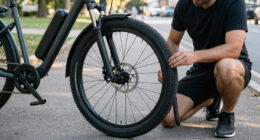
Whether you’re commuting to work or exploring the city, having an emergency kit for your micromobility ride is vital. You never know when a flat tire, chain slip, or sudden weather change might disrupt your trip. A well-prepared kit guarantees you’re ready to handle common issues swiftly, so you stay safe and on schedule. The core of an effective emergency kit includes tools and supplies for bike maintenance, allowing you to fix minor mechanical problems on the spot. Think a compact multi-tool with screwdrivers, Allen wrenches, and tire levers. Carry a portable pump or CO2 inflator to address flats quickly, and include a patch kit for punctures. These items help you stay mobile without relying on external help or waiting for roadside assistance.
Weather preparedness is equally critical. Weather can shift unexpectedly, especially if you’re riding in unpredictable conditions. Pack a lightweight, waterproof jacket or poncho to shield yourself from rain or wind. A small, high-visibility vest or reflective gear enhances your visibility during low-light conditions, reducing the risk of accidents. Don’t forget to include a set of gloves and a hat or head covering if you’re riding in cold or windy weather. These simple additions keep you comfortable and maintain your focus on the road. For longer rides or commutes, consider packing an emergency blanket or thermal wrap, which can be lifesaving if you get stranded or caught in a sudden storm. Additionally, understanding the importance of biodiversity and sustainable practices can help you make eco-friendly choices even when preparing for rides. Incorporating eco-friendly gear and accessories not only benefits the environment but also supports sustainable riding habits. Ensuring your gear is eco-conscious can contribute to a more sustainable riding experience.
A good emergency kit also covers basic safety needs. Include a first aid kit with bandages, antiseptic wipes, and pain relievers to handle minor injuries. Consider carrying a portable phone charger to ensure your device remains powered in case of emergency. This way, you can call for help or use navigation tools if you get lost. It’s also wise to keep a small flashlight or headlamp, especially if you’re riding in the dark or near evening hours. Regularly checking your bike maintenance tools and supplies is essential to ensure they’re in good condition and ready for use when needed. These items, combined with weather preparedness gear and bike maintenance tools, make your emergency kit thorough and practical. Remember, staying prepared not only helps you address immediate problems but also promotes sustainable riding habits that lessen your environmental impact.
Popular right now

Sony BRAVIA 5 85-Inch Mini LED 4K HDR Smart TV (K-85XR50)

Ninja Flip Toaster Oven and Air Fryer, 8-in-1, Stainless Steel, SP151

Dyson Ball Animal 3 Corded Upright Vacuum
As an affiliate, we earn on qualifying purchases.
Frequently Asked Questions
How Often Should I Update My Emergency Kit?
You should update your emergency kit every 3 to 6 months. Regular maintenance tips include checking expiration dates, replacing used or worn items, and ensuring everything functions properly. Customizing your kit based on your riding habits and local risks is essential. By keeping your kit current, you’re better prepared for unexpected situations. Make it a habit to review and refresh it periodically, especially after long rides or seasonal changes.
Can I Include Personal Medications in My Kit?
Yes, you can include personal medications in your emergency kit. Just make certain proper medication storage to keep them safe and effective. Pack emergency medication, like an inhaler or allergy pills, in a clearly labeled container. Remember to check expiration dates regularly and replace expired items. Having your essential medications on hand can be vital if you face an unexpected situation while riding your micromobility device.
Are There Size Restrictions for Emergency Kits on Scooters?
Size restrictions for emergency kits on scooters vary depending on local regulations and scooter design. While some safety guidelines emphasize compact, organized kits, others allow slightly larger ones if they don’t interfere with bike safety or rider mobility. To guarantee proper kit organization and maintain safety, choose a lightweight, well-packed kit that fits comfortably without compromising your ability to maneuver your scooter. Always check local rules before packing your emergency essentials.
What Are Legal Requirements for Carrying Emergency Supplies?
You must follow legal compliance and supply regulations when carrying emergency supplies on your scooter. Check local laws to guarantee your kit includes approved items like a basic first aid kit, reflective gear, and a flashlight. Keep supplies within size restrictions and avoid prohibited items. Staying informed about specific regulations helps you avoid fines and keeps you prepared for emergencies while riding. Always verify current rules in your area before assembling your kit.
How Do I Store My Emergency Kit Securely?
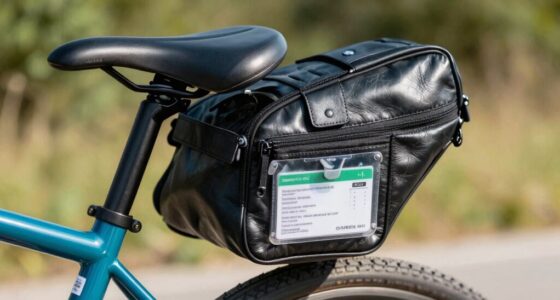
To keep your emergency kit safe, consider discreet storage solutions that blend into your ride. Use lockable compartments or secure saddle bags designed for theft prevention, ensuring your supplies stay put. Avoid obvious storage spots that attract unwanted attention. Regularly check your kit’s security and replace any compromised items. By choosing smart storage options, you guard your essentials while maintaining quick access when you need them most.
Conclusion
Having a well-prepared emergency kit can make all the difference if you’re a micromobility rider. Remember, over 60% of accidents happen within a mile of home, so being ready is vital. Keep essentials like a first aid kit, tools, and personal identification handy. Stay safe and confident on your rides—being prepared not only protects you but also guarantees you can handle unexpected situations smoothly. Ride smart, and be ready for anything!