TL;DR

Get bike and ride gear delivered free — and shop member deals
- Fast, free delivery on millions of items
- Access to Prime Big Deal Days deals on October 6–7
- Prime Video, Amazon Music and more included
The best brake light for an electric bike reliably activates when braking, stays visible in daylight, withstands weather, and fits your bike’s electrical system. Prioritize automatic activation, brightness, and mounting for safety and compliance.
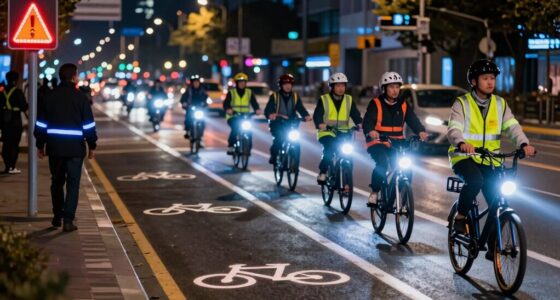
Imagine you’re cruising through busy city streets on your e-bike. The sun is high, but a sudden brake light blaze instantly catches a driver’s eye—saving you from a close call. That’s the power of a truly effective brake light.
Picking the right one isn’t just about brightness. It’s about how reliably it activates, how visible it is during daylight, and whether it suits your bike’s electrical system. This guide will walk you through everything you need to know to make a smart choice, ensuring your safety is never left to chance.
Choose a brake light with automatic activation that responds reliably to braking inputs.
Prioritize weather-resistant models with at least IPX5 or higher ratings for durability in rain or snow.
Mount your brake light high and centered for maximum visibility to following drivers.
Don’t rely solely on brightness—optics, beam pattern, and mounting position matter more in real-world conditions.
Always verify compatibility with your e-bike’s voltage and wiring before installation.
Why a Good Brake Light Matters More Than You Think
A brake light isn’t just a flashy accessory; it’s a life-saving signal. When you hit the brakes, a bright, flashing or intensifying light tells drivers behind you: “Hey, I’m slowing down.” This simple signal can prevent rear-end collisions, which are among the most common accidents in urban traffic. The visibility of your brake light, especially in high-density areas, directly impacts your safety and the safety of others.
Research indicates that a highly visible brake light can reduce rear-end crashes by up to 80%. This isn’t just about being seen—it’s about conveying a clear, immediate message to following vehicles that you are decelerating, so they can react in time. For e-bikers, who often travel at higher speeds than traditional cyclists, a reliable and conspicuous brake light becomes even more critical. It acts as an early warning system, giving drivers ample time to adjust their distance and speed.
Beyond safety, many regions now legally require functioning brake lights on e-bikes. Failing to comply can result in fines or vehicle registration issues. Therefore, investing in a quality brake light isn’t just smart—it’s often legally necessary, making it a vital component of your riding gear.
electric bike brake light automatic activation
As an affiliate, we earn on qualifying purchases.
As an affiliate, we earn on qualifying purchases.
How Brake Activation Methods Impact Reliability and Safety
The method by which your brake light activates significantly influences its reliability and the safety it provides. Wired brake switches, for example, are directly connected to the brake lever, offering almost instantaneous response when you brake. This immediacy is crucial in emergency situations where every millisecond counts, as it ensures your brake light signals are synchronized with your braking action, reducing reaction times for drivers behind you.
Controller-based activation, on the other hand, integrates the brake light into your e-bike’s electronic control system. While this can provide smoother operation and additional features like adjustable brightness or automatic turn-off, it introduces potential points of failure. If the controller malfunctions or isn’t programmed correctly, the brake light might not activate when needed, creating a dangerous safety gap. This tradeoff emphasizes the importance of choosing high-quality controllers or fallback systems.
Smart sensors like accelerometers detect deceleration without wired connections, offering flexibility and ease of installation. However, their sensitivity can be a double-edged sword: overly sensitive sensors may trigger false alarms when riding over bumps or hills, while insensitive sensors might delay activation, reducing their effectiveness in alerting following drivers. Proper calibration and secure mounting are essential for these systems to perform reliably. The choice among these methods depends on your riding environment and how critical immediate signaling is for your safety.
In summary, wired switches tend to be the most dependable for safety-critical applications due to their direct and immediate response. Controller integration offers convenience but requires careful setup to avoid failures. Smart sensors provide versatility but demand proper calibration to avoid false or delayed signals. Weigh these tradeoffs to select a system that aligns with your riding conditions and safety priorities.
weatherproof bike brake light IPX5
As an affiliate, we earn on qualifying purchases.
As an affiliate, we earn on qualifying purchases.
The Reality of Brightness: Why Lumens Don’t Tell the Whole Story
Everyone gravitates toward the brightest tail light, but sheer lumen count doesn’t guarantee superior visibility. Lumens measure the total amount of light emitted, but how that light is distributed and perceived matters just as much. A high-lumen light with a narrow beam may only be visible directly behind, while a lower-lumen light with a wide-angle lens can be seen from farther off and in more conditions.
The beam pattern, optics, and mounting height influence how well your brake light catches a following driver’s eye. For instance, a light with a well-designed optical lens can project a broad, even beam that enhances visibility in fog, rain, or low-light conditions. Conversely, a narrow or poorly aimed beam may be obscured by environmental factors or other vehicles, reducing its effectiveness.
In real-world scenarios, weather and lighting conditions vary greatly. A strategically designed optical system that disperses light evenly can cut through weather obstructions better than raw brightness alone. Therefore, when choosing a brake light, consider the beam pattern and optical quality as much as the lumen rating—these factors directly impact how reliably your signal is seen in diverse conditions. A well-engineered optical system can mean the difference between your brake light being noticed or ignored, especially in challenging weather or lighting situations.
high visibility e-bike brake light
As an affiliate, we earn on qualifying purchases.
As an affiliate, we earn on qualifying purchases.
Picking a Brake Light That Works in All Weather Conditions
Durability in adverse weather is non-negotiable for a safety-critical device like a brake light. Rain, mud, snow—your brake light must withstand these elements without failing or losing brightness. Look for IP ratings—Ingress Protection ratings—that specify the level of sealing against water and dust. An IPX5 rating means the light can handle splashes from any angle, while IPX6 or higher indicates it can resist high-pressure water jets, making it suitable for heavy rain or snow.
Choosing a light with a high IP rating isn’t just about durability; it directly impacts safety. For example, a brake light that floods or shorts out during heavy rain can leave you unprotected when you need the signal most. An IPX6-rated light, with its robust sealing, ensures consistent performance even in severe weather, giving you peace of mind that your safety signals won’t fail when conditions worsen. Moreover, the seals and waterproof covers prevent moisture ingress that can corrode electronics or cause short circuits, extending the lifespan of your device. Rugged casing and sealed charging ports further contribute to long-term reliability, meaning your brake light remains a dependable safety tool over time.
Remember, durability isn’t just about the outer shell; proper installation, including waterproof wiring and sealed connectors, is crucial. Well-installed waterproof components prevent moisture from entering critical parts, maintaining optimal function and safety in all weather conditions.
mountable bike brake light for urban cycling
As an affiliate, we earn on qualifying purchases.
As an affiliate, we earn on qualifying purchases.
Conclusion
A quality brake light isn’t just an accessory—it’s a vital part of your safety gear. Focus on reliable activation, weather resistance, and clear visibility, and you’ll ride with peace of mind.
Remember, a well-chosen brake light can be the difference between being seen or not—so invest in the best for your next ride. After all, safety isn’t a feature; it’s a mindset.
Fall Picks
fall essentials
As an affiliate, we earn on qualifying purchases.