TL;DR
Tesla’s Autopilot system was involved in a recent crash that prompted an investigation by authorities. While Tesla states the system is designed to assist, safety experts question its reliability. The incident highlights ongoing concerns about battery manufacturing and autonomous driving features.
On March 15, a Tesla vehicle operating with Autopilot engaged was involved in a crash in California, prompting an investigation by federal safety regulators. This incident marks a significant development as authorities assess the safety of Tesla’s driver-assistance system amid growing concerns about electric vehicle rebates and autonomous vehicle technology.
The crash involved a Tesla Model 3 on a highway near Los Angeles, with preliminary reports indicating that the vehicle was in Autopilot mode at the time of the collision. No fatalities have been reported, but the incident resulted in injuries to the driver and a passenger. The National Highway Traffic Safety Administration (NHTSA) confirmed it is examining the event to determine whether Autopilot functioned as intended.
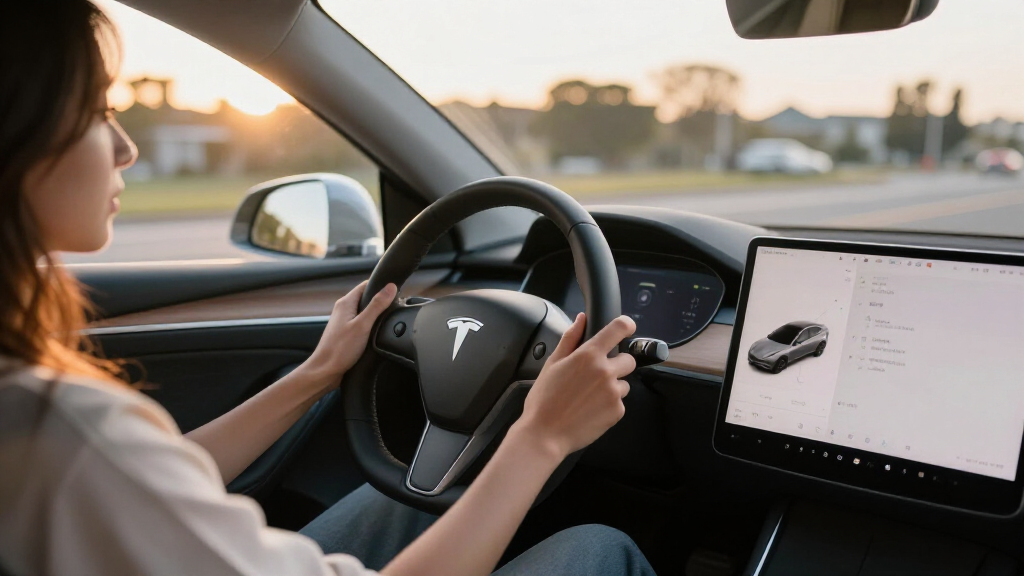
Tesla has stated that Autopilot is an advanced driver-assistance system designed to aid with steering, acceleration, and braking, but it requires active supervision by the driver. The company emphasized that drivers must remain attentive and ready to take control at all times. Tesla’s CEO, Elon Musk, reiterated that Autopilot is not a fully autonomous system and that safety depends on proper usage of robotaxis.
Implications for Tesla’s Autopilot Safety Claims
This incident underscores ongoing safety concerns surrounding Tesla’s Autopilot system, which has been subject to scrutiny and regulatory investigations in the past. The event could influence public perception of autonomous driving technology and impact regulatory policies. For Tesla, the investigation may lead to increased pressure to enhance system safety or modify how Autopilot is marketed and used.
As an affiliate, we earn on qualifying purchases.
Background on Tesla Autopilot and Past Incidents
Since its introduction in 2014, Tesla Autopilot has been a focal point in debates over autonomous vehicle safety. The system offers semi-autonomous driving features, including lane-keeping, adaptive cruise control, and automatic lane changes. Despite Tesla’s claims of safety improvements, the system has been involved in multiple crashes, some fatal, leading to investigations by regulators such as NHTSA.
In 2021, NHTSA launched an investigation into Tesla crashes involving Autopilot, prompting calls for stricter oversight. Tesla has consistently defended its technology, emphasizing that Autopilot is meant to assist, not replace, human drivers. The recent incident continues this pattern, raising questions about the system’s limits and the adequacy of driver supervision.
“The agency is actively reviewing the incident to assess whether Tesla’s Autopilot function operated as designed and whether safety measures are sufficient.”
— NHTSA spokesperson
driver assistance system for electric vehicles
As an affiliate, we earn on qualifying purchases.
As an affiliate, we earn on qualifying purchases.
Details of Autopilot Functioning and Crash Cause Still Unclear
It remains unclear whether Autopilot was fully engaged at the time of the crash, or if driver oversight was adequate. Investigators are still analyzing data from the vehicle’s sensors and the driver’s actions prior to the collision. Tesla has not yet provided detailed technical information about the incident, and the investigation is ongoing.
Tesla Model 3 autonomous driving accessories
As an affiliate, we earn on qualifying purchases.
As an affiliate, we earn on qualifying purchases.
Regulatory Review and Potential Safety Recommendations
The NHTSA and other safety agencies are expected to release preliminary findings in the coming weeks. Tesla may face regulatory actions, including potential recalls or safety warnings. The company is likely to update its Autopilot features or user guidelines based on the investigation’s outcome. Public and industry scrutiny of autonomous driving systems will continue to intensify.
advanced driver assistance system (ADAS) for cars
As an affiliate, we earn on qualifying purchases.
As an affiliate, we earn on qualifying purchases.
Key Questions
Was Tesla’s Autopilot system fully engaged during the crash?
It is not yet confirmed whether Autopilot was fully active at the time of the incident. Authorities are still examining vehicle data to determine the system’s role.
Has Tesla made any changes to Autopilot after previous incidents?
Tesla has periodically updated Autopilot software through over-the-air updates, and in some cases, has added safety features. Specific changes following past incidents are not publicly detailed.
What are the safety concerns associated with Tesla Autopilot?
Safety concerns include overreliance on semi-autonomous features, driver complacency, and the system’s limitations in complex driving scenarios. Regulatory agencies have scrutinized whether the system’s design adequately prevents accidents.
Could this incident lead to regulatory restrictions on Tesla Autopilot?
Potentially, as investigations could result in safety recommendations, mandatory updates, or restrictions if systemic issues are identified. The outcome depends on the findings of ongoing reviews.
Source: google-trends