

As a high-mileage commuter, seasonal tune-ups keep your vehicle running smoothly and reliably year-round. They help prevent breakdowns, improve fuel efficiency, and guarantee your tires and brakes are safe for changing weather conditions. Regular maintenance like checking fluids, replacing spark plugs, and inspecting tires can save you money and time. Staying on top of seasonal care also extends your vehicle’s lifespan. Keep going to discover how to create an effective maintenance schedule tailored to your needs.
Key Takeaways
- Schedule seasonal tune-ups to prevent breakdowns and maintain reliability during high-mileage commutes.
- Regularly replace spark plugs and clean fuel injectors to optimize fuel efficiency.
- Check tire pressure, tread depth, and rotate tires to ensure safety and extend lifespan.
- Inspect and top off engine fluids, brakes, and other critical components to prevent costly repairs.
- Adapt maintenance routines for seasonal weather changes to keep your vehicle running smoothly year-round.

If you commute high miles regularly, scheduling seasonal tune-ups is crucial to keep your vehicle running smoothly and prevent unexpected breakdowns. Long drives put extra stress on your car, and neglecting routine maintenance can lead to decreased performance and higher repair costs. One of the key areas to focus on during these tune-ups is maximizing fuel efficiency. As your vehicle ages and accumulates miles, its engine components can become less efficient, causing you to burn more fuel. Regular tune-ups, including replacing spark plugs, cleaning fuel injectors, and ensuring proper air filter function, help your engine operate at peak efficiency. When your engine runs smoothly, you use less fuel, saving you money over time and reducing your environmental footprint.
Another critical aspect of seasonal maintenance is tire care. High-mileage commuting wears tires down faster and can compromise safety if not properly maintained. During a tune-up, it’s essential to check tire pressure frequently, as underinflated or overinflated tires affect handling, fuel economy, and tire longevity. Properly inflated tires reduce rolling resistance, which means your engine doesn’t have to work as hard, directly improving fuel efficiency. Additionally, inspecting tire tread depth and looking for uneven wear patterns help identify alignment or suspension issues that could lead to more serious problems if left unaddressed. Rotating tires regularly ensures even wear, extending their lifespan and maintaining maximum grip on the road.
Beyond tire maintenance, a seasonal tune-up also involves inspecting and replacing critical engine components, checking fluid levels, and ensuring your brakes are in good condition. These measures keep your vehicle reliable during high-mileage commutes and prevent costly repairs down the line. If you notice any signs of trouble—such as poor acceleration, strange noises, or dashboard warning lights—don’t delay getting them checked out. Addressing these issues promptly during a seasonal tune-up keeps your vehicle in top shape and helps you avoid inconvenient breakdowns.
To make the most of your long commutes, it’s wise to develop a regular maintenance schedule tailored to seasonal changes. As weather shifts, so do your vehicle’s needs—cold temperatures can thicken fluids and decrease battery performance, while hot weather can cause tire pressure to fluctuate. By staying proactive with seasonal tune-ups, you ensure your vehicle remains efficient, safe, and dependable throughout the year. Consistent upkeep not only enhances your driving experience but also preserves your vehicle’s value, making high-mileage commuting less stressful and more cost-effective.
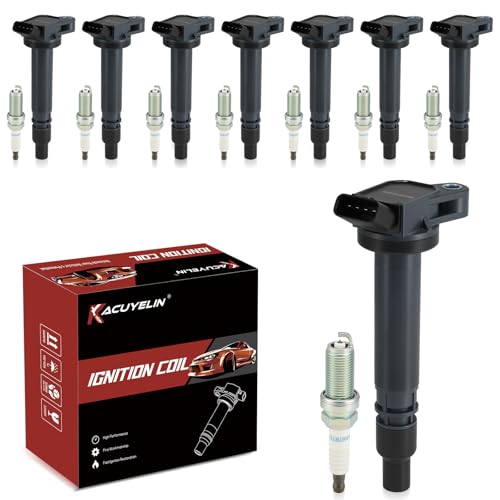
UF487 Ignition Coil Pack and Double Iridium Spark Plugs Set of 8 Compatible with Lexus GX460 LS460 LS600h LX570 Toyota 2008-2011, 2013-2021 Land Cruiser 08-22 Sequoia 07-21 Tundra 4.6L 5.0L 5.7L V8
FITMENT:1)Compatible with 2010-2023 Lexus GX460 4.6L V8, 2007-2017 Lexus LS460 4.6L V8, 2008-2016 Lexus LS600h 5.0L V8, 2008-2011…
As an affiliate, we earn on qualifying purchases.
As an affiliate, we earn on qualifying purchases.
Frequently Asked Questions
How Often Should I Schedule Tune-Ups for High-Mileage Commuting?
You should schedule tune-ups every 3,000 to 5,000 miles for high-mileage commuting. During these visits, get an oil change to keep your engine running smoothly and a tire rotation to promote even wear. Regular tune-ups help prevent breakdowns and improve fuel efficiency. Keep track of your mileage, and don’t forget to check other essentials like brake inspections and fluid levels for maximum reliability on your daily commute.
Are There Specific Seasonal Issues That Affect High-Mileage Vehicles?
Yes, seasonal issues can impact your high-mileage vehicle. In winter, focus on winter readiness by checking your antifreeze, battery, and tire traction to prevent breakdowns. During summer, prioritize summer cooling by inspecting your cooling system, radiator, and air conditioning. Regular tune-ups before these seasonal shifts guarantee your vehicle runs smoothly, saves fuel, and avoids costly repairs, keeping you safe and reliable on your daily commute.
What Signs Indicate My Car Needs a Seasonal Tune-Up?
Think of your car as a trusted marathon runner; it shows signs when it’s time for a tune-up. If your tire pressure drops or your oil quality deteriorates, it’s a signal to act. You might notice sluggish acceleration, unusual engine noises, or decreased fuel efficiency. These signs indicate your vehicle needs a seasonal tune-up to keep it running smoothly on those long commutes.
Can Regular Tune-Ups Improve Fuel Efficiency for Long Commutes?
Regular tune-ups can definitely improve your fuel economy during long commutes. When you keep your engine well-maintained, it runs more efficiently, reducing fuel consumption and cutting down on maintenance costs over time. This means fewer visits to the mechanic and more miles per gallon. Staying on top of tune-ups ensures your car performs at its best, helping you save money and enjoy smoother, more reliable drives every day.
How Do Climate Changes Impact Vehicle Maintenance Needs?
Climate changes directly impact your vehicle’s maintenance needs by requiring climate adaptation. Extreme temperatures, humidity, and seasonal shifts can cause parts to wear faster or fail sooner. To stay ahead, you should modify your maintenance scheduling accordingly—more frequent oil changes, coolant checks, and tire inspections may be necessary. Keeping up with these adaptations helps prevent breakdowns, improves safety, and ensures your vehicle runs smoothly through changing weather conditions.

AstroAI Tire Pressure Gauge with Inflator, 100 PSI-ANSI B40.1 Accurate, Large 2.5" Easy Read Glow Dial, Heavy Duty Air Chuck and Compressor Accessories with Rubber Hose and Quick Connect Coupler
Advanced accuracy: Professionally calibrated tire pressure gauges for cars. Accurately measures from 0-100 PSI with a resolution of…
As an affiliate, we earn on qualifying purchases.
As an affiliate, we earn on qualifying purchases.
Conclusion
By staying on top of seasonal tune-ups, you protect your engine, extend your vehicle’s lifespan, and make certain your safety on every commute. Regular maintenance keeps you reliable, confident, and prepared for anything the road throws your way. When you prioritize these checks, you prevent breakdowns, save money, and enjoy peace of mind. Because a well-maintained car is more than just a machine—it’s your trusted partner on every mile, every day, every journey.

THIKPO Universal Fuel Injector Tester and Cleaner Tool Kit, DIY Cleaning Tool Kit, 8 Pulse Modes, 4 Wire Dual Channel for 2 Fuel Injectors, 8 Size Cleaning Adapters, 12V/5V Output Power
Upgraded Universal Fuel Injector Tester and Cleaner Tool Kit—Operates injectors individually to diagnose fuel delivery problems on petrol…
As an affiliate, we earn on qualifying purchases.
As an affiliate, we earn on qualifying purchases.

Lucas Oil 11100 Engine Oil Stop Leak – Top Off Additive – 1 Quart
Long lasting
As an affiliate, we earn on qualifying purchases.
As an affiliate, we earn on qualifying purchases.