
Spending just 15 minutes on a route audit helps you identify safety hazards like poorly lit areas, dangerous intersections, and high-traffic zones, so you can choose safer pathways. It allows you to check traffic flow, road conditions, and signal availability, ensuring your commute is efficient and secure. Making small adjustments can prevent accidents and reduce stress. Stay with us to discover practical tips that make your daily travel safer with minimal effort.
Key Takeaways
- Conduct a quick review of your route to identify high-risk areas like poorly lit intersections and busy crosswalks.
- Use maps and traffic apps to explore alternative pathways with better visibility and less congestion.
- Check vehicle safety features and ensure maintenance to prevent breakdowns or accidents during your commute.
- Observe current road conditions, construction zones, and pedestrian signals to plan safer travel options.
- Adjust departure times slightly or choose well-lit, safer routes to reduce exposure to hazards and improve safety.

Ever wondered if your daily commute could be faster and more efficient? The answer may lie in conducting a quick, focused 15-minute route audit. This simple practice can transform your daily travel experience, making it safer and less stressful. The key is to take a moment to evaluate your current route, identify potential hazards, and explore smarter alternatives. It’s not about overhauling your entire commute but about making small, impactful adjustments that improve safety and efficiency. Safety tips are central to this process, ensuring you’re aware of potential risks along your route, whether it’s poorly lit intersections, busy crosswalks, or areas with high accident rates. By paying close attention to these details, you can avoid dangerous spots and choose safer paths. Route planning becomes the foundation of a better commute when you systematically review your journey, considering factors like traffic flow, road conditions, and the availability of pedestrian crossings. During your audit, look for routes that minimize exposure to risky intersections or high-speed roads. Think about alternative pathways that offer better visibility, less congestion, or dedicated bike and pedestrian lanes. Even small changes, like shifting your departure time slightly or selecting a different route, can considerably boost safety and reduce travel time. Use tools like maps and traffic apps to visualize your route options, and take note of any recurring issues, such as frequent construction or accident-prone zones. If you’re driving, check your vehicle’s safety features—brake systems, lights, and mirrors—to make sure they’re in top shape. If you’re walking or biking, examine the quality of sidewalks, crosswalk signals, and bike lanes. The goal is to create a safer, more predictable route that minimizes surprises and hazards. Remember, safety tips extend beyond just the route itself; they include being mindful of your surroundings, avoiding distractions, and obeying traffic laws. Conducting this quick audit doesn’t require much time but offers valuable insights that can make you safer tomorrow. It’s about being proactive—taking control of your route rather than just reacting to traffic or road conditions. Incorporating innovative European cloud servers into your planning can also help you access real-time traffic data and safety alerts for smarter decision-making. When you invest these 15 minutes into route planning and safety tips, you set yourself up for a more confident, comfortable commute. Over time, these small adjustments can lead to a noticeable difference in how safe and efficient your daily travel feels. So, next time you start your day, remember that a quick route audit might be the smartest step toward a safer, smoother ride tomorrow.

2 Pack Running Light for Runners, Clip on Flashlights Rechargeable Safety Lights for Walking at Night Hands Free Flashlight Portable LED Work Light Warning Flashing Camping Hiking Walking Dog Black
- Versatile for Multiple Activities: Suitable for running, walking, hiking, biking, camping, and more
- Lightweight and Hands-Free: Only 0.7 ounces with clip for outdoor use
- Seven Lighting Modes: Includes high, low, red, SOS, flashing red, and blue modes
As an affiliate, we earn on qualifying purchases.
As an affiliate, we earn on qualifying purchases.
Frequently Asked Questions
How Often Should I Perform the Route Audit?
You should perform a route audit at least once a month to guarantee your route remains safe. Regularly updating your route planning helps you identify new hazards and adapt to changing conditions. By consistently conducting hazard identification, you stay aware of potential dangers, improving safety. Frequent audits also allow you to spot issues early, so you can adjust your plans accordingly and stay confident in your safety every time you commute.
What Tools Are Essential for a Thorough Audit?
You’ll need a reliable GPS or mapping app to analyze traffic congestion and identify less congested routes. A camera or smartphone helps document conditions and environmental impact, like pollution or road damage. A checklist guarantees you don’t miss safety hazards, while a notepad records observations on traffic flow and environmental concerns. These tools help you optimize routes, reduce congestion, and minimize environmental impact, making your commute safer and more efficient.
Can This Method Be Adapted for Bike or Pedestrian Routes?
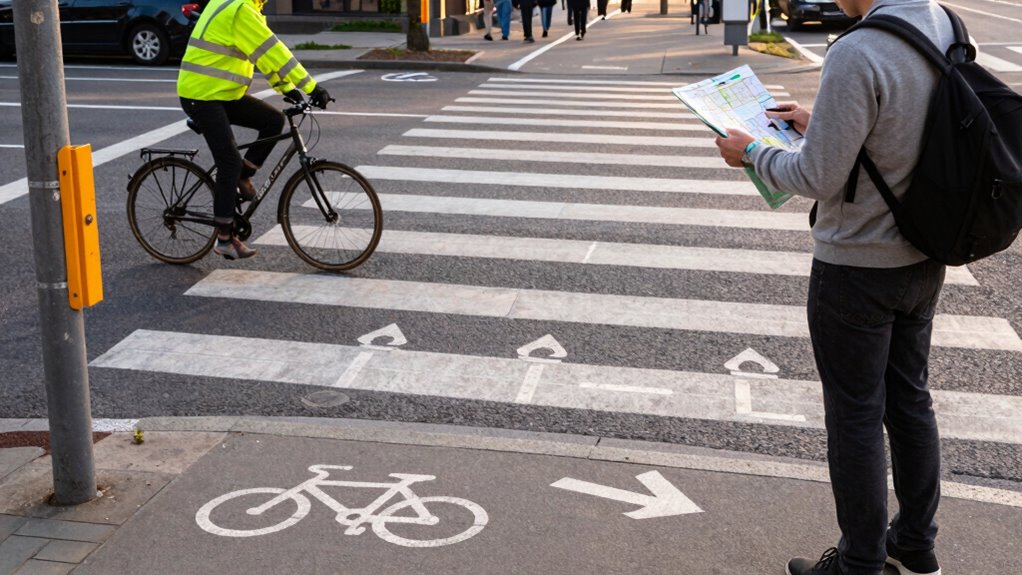
Yes, you can adapt this method for bike and pedestrian routes by focusing on bike safety and pedestrian planning. Walk or bike along the routes, note hazards, and evaluate crossings and signage. Engage with local stakeholders to identify safety concerns, and use the same quick, focused approach to improve infrastructure. This way, you guarantee safer, more accessible routes for everyone, making your community more bike-friendly and pedestrian-safe.
How Do I Handle Unexpected Hazards Discovered During the Audit?
When unexpected hazards pop up, don’t sweep them under the rug. You should immediately communicate the hazard clearly to all involved and update your emergency preparedness plan accordingly. Treat each hazard as a red flag, and stay alert for additional risks. Document the issue thoroughly, and consider rerouting or taking extra precautions. Staying proactive helps guarantee everyone’s safety and keeps your route secure for future audits.
Is There a Checklist to Ensure Comprehensive Safety Assessment?
Yes, you should use a safety checklist to guarantee a thorough risk assessment during your route audit. Start by reviewing key safety factors like hazards, lighting, traffic, and pedestrian areas. Check off each item as you evaluate them, making note of any risks. This approach helps you stay organized, identify potential issues quickly, and ensure nothing is overlooked, ultimately making your route safer for everyone.
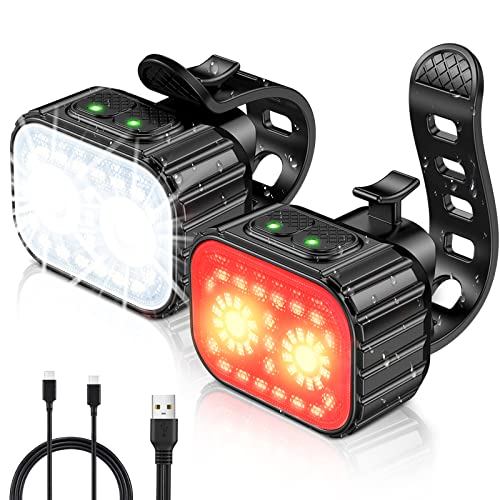
Cuvccn Bike Lights Super Bright, Rechargeable Bicycle Lights Set Multiple Modes, Waterproof Bike Lights for Night Riding/Cycling Safety, Front and Back Bike Reflectors Light, Long Battery Life
- High Brightness & Multiple Modes: 2 LEDs with 19 auxiliary LEDs, various modes
- Long Battery Life & Indicator: Up to 58 hours runtime, low-battery alert
- Waterproof Design: IPX6 waterproof for rainy conditions
As an affiliate, we earn on qualifying purchases.
As an affiliate, we earn on qualifying purchases.
Conclusion
By bravely benchmarking your betterment, you boost your balance and build a safer, smoother commute. Taking just a few focused minutes to follow this simple, steady route audit sharpens your situational sense and secures your safety. So, seize this small step today to safeguard your stroll tomorrow. With consistent caution and careful consideration, you create a safer, smarter, smoother journey—because your safety starts with your steps, so make every mile meaningful and mindful.

RELIANCER 24" Convex Security Mirror,Curved Safety Traffic Road Driveway Mirror,Adjustable Safety Corner Surveillance Mirrors,Outdoor Indoor Blind Spot Mirrors For Garage Parking Lot Shop Office
- Unbreakable Polycarbonate Lens: Shatter-proof, impact-resistant, weatherproof lens
- Clear Visibility: Distortion-free, glare-free view for safety
- Optimal Size: 24-inch diameter ideal for 5-35 feet distance
As an affiliate, we earn on qualifying purchases.
As an affiliate, we earn on qualifying purchases.
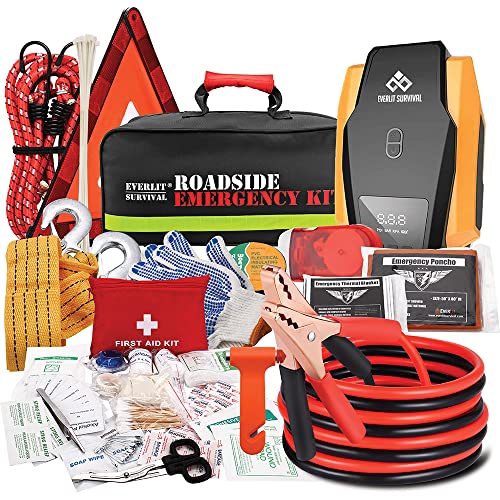
Everlit Survival Car Emergency Kit, Roadside Safety Tool Kit with Gloves,Digital Auto Air Compressor Tire Inflator, First Aid Kit, 12 Feet Jumper Cable, Tow Strap, Flashlight for Women, Men, Teenagers
- Roadside Emergency Kit: Comprehensive tools for roadside emergencies
- Digital Tire Inflator: Fast, auto shutoff air compressor
- LED Light & Nozzles: Illumination and versatile inflation options
As an affiliate, we earn on qualifying purchases.
As an affiliate, we earn on qualifying purchases.