TL;DR

Get bike and ride gear delivered free with Prime
- Fast, free delivery on millions of items
- Prime Video, Amazon Music and more included
- Member-only deals all year
Rising interest in electric two-wheelers has led to widespread debate over whether certain models qualify as e-bikes or mopeds. The classification depends on legal, technical, and subjective factors, creating confusion among consumers and regulators.
Questions about whether certain electric two-wheelers should be classified as e-bikes or mopeds are intensifying, driven by increasing market offerings and regulatory debates. This ambiguity impacts consumers, manufacturers, and policymakers, as the classification influences legal requirements, safety standards, and access rights.
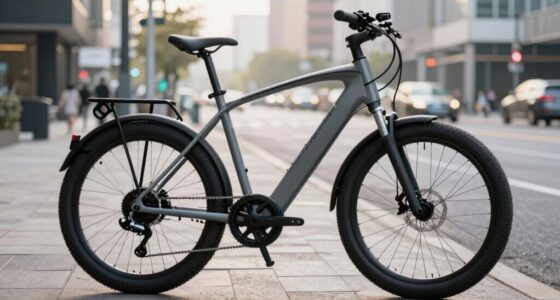
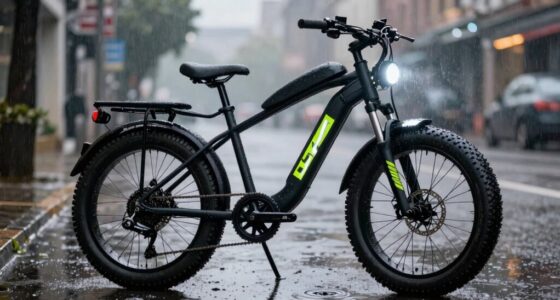
The debate centers on how to define and regulate electric bicycles, with some models blurring the lines between low-speed e-bikes and mopeds. The core issue is whether a given vehicle’s speed, power output, and design meet legal thresholds for classification as an e-bike or a moped, which carry different legal and safety implications.
Officially, many jurisdictions specify that e-bikes are pedal-assisted bicycles with a maximum speed of 20 mph (32 km/h) and limited motor power, requiring minimal regulation. Mopeds, on the other hand, often have higher speed capabilities, require registration, licensing, and insurance, and are subject to stricter safety standards.
However, manufacturers and users report that some models surpass the typical e-bike limits but are marketed as e-bikes, leading to confusion and potential legal issues. The lack of a unified global standard exacerbates the situation, with different countries and states adopting varying definitions and regulations.
Recent spikes in online searches and media coverage indicate that many consumers and industry stakeholders are seeking clarity amid this ambiguity, which could influence future regulation and market trends.
Impacts of Classification on Regulations and Safety
This ongoing debate affects how electric two-wheelers are regulated, impacting consumer safety, legal compliance, and market access. Clear classification standards could streamline regulations and improve safety standards, but current inconsistencies create legal gray areas that may expose users to risks or legal penalties.
For consumers, understanding whether their vehicle is legally an e-bike or a moped influences licensing requirements, insurance, and where they can ride. For manufacturers, classification determines design constraints and marketing strategies, while regulators face the challenge of establishing consistent standards amid technological advances.
As an affiliate, we earn on qualifying purchases.
Growing Market and Regulatory Divergence
The electric bike market has experienced rapid growth over recent years, driven by increased interest in sustainable transportation and urban mobility. This expansion has led to a proliferation of models with varying features, some exceeding traditional e-bike limits.
Regulatory frameworks differ widely: in some regions, e-bikes are treated as bicycles with minimal regulation, while others impose vehicle registration, licensing, and safety standards similar to mopeds. This divergence has created confusion among consumers and legal uncertainty for manufacturers.
The issue gained attention as more models with higher speeds and power outputs entered the market, challenging existing legal definitions and prompting calls for clearer standards.
As an affiliate, we earn on qualifying purchases.
Unclear Standards and Future Regulatory Directions
It remains uncertain how governments and regulatory bodies will address the classification issue in the near future. There is no unified international standard, and regional approaches vary widely. It is also unclear whether new legislation will be introduced to clarify definitions or if existing laws will be amended to accommodate technological advances.
Additionally, some stakeholders question whether the current speed and power limits for e-bikes are sufficient for safety and practicality, potentially prompting future regulatory revisions.
As an affiliate, we earn on qualifying purchases.
Potential Regulatory Reforms and Industry Responses
Regulatory agencies are expected to review and possibly update standards for electric two-wheelers in the coming months, aiming to reduce confusion and improve safety. Industry groups may push for clearer definitions and standardized classifications to facilitate market growth and consumer protection.
Consumers and manufacturers should stay informed about regional regulations and upcoming legislative proposals, as these will determine how electric bikes are classified, taxed, and regulated going forward.
As an affiliate, we earn on qualifying purchases.
Key Questions
How does the classification of an e-bike or moped affect legal requirements?
Classification determines whether a vehicle requires registration, licensing, insurance, and adherence to safety standards. E-bikes typically face fewer regulations, while mopeds are subject to stricter rules.
Are there safety concerns related to higher-powered e-bikes?
Yes, higher speeds and power outputs can increase accident risks, especially if safety standards and rider training are not adapted accordingly. Regulatory updates may address these concerns.
Will new laws clarify the distinction between e-bikes and mopeds?
It is uncertain. Some jurisdictions are considering legislative reforms, but no unified international standard has been established yet.
Can consumers legally ride higher-powered e-bikes in their area?
This depends on local laws. In many places, exceeding e-bike limits without proper classification or registration may be illegal.
What should manufacturers do to comply with evolving standards?
Manufacturers should monitor regulatory developments, clearly advertise vehicle capabilities, and ensure their models meet regional legal definitions to avoid legal issues.
Source: rss
Fall Picks
fall essentials
As an affiliate, we earn on qualifying purchases.