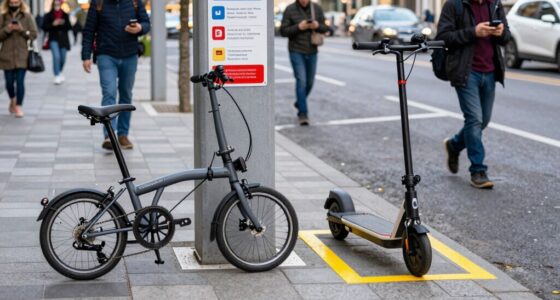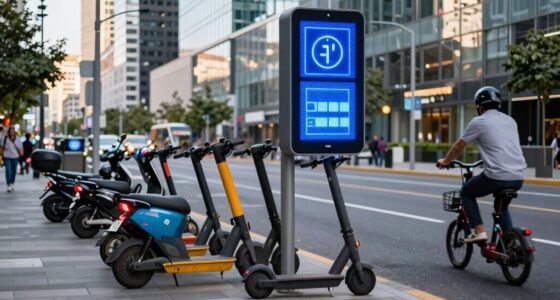

The key rule that changes where you can ride your e-bike involves understanding each class’s capabilities and local restrictions. Class 1 bikes, which assist up to 20 mph, are generally permitted on bike paths and trails. Class 2 bikes with throttles and Class 3 bikes, which reach 28 mph, often face restrictions on certain trails and paths. Knowing your bike’s class and local laws guarantees you ride legally. Want to find out more about where your e-bike class fits?
Key Takeaways
- The key rule is understanding each e-bike class’s speed and assistance limits to ensure proper and legal riding areas.
- Class 1 bikes are widely permitted on bike paths and trails, unlike some Class 2 or 3 bikes with restrictions.
- Local regulations often specify where each class can be ridden, making class knowledge essential for compliance.
- Using the correct e-bike class in appropriate environments helps avoid legal violations and safety issues.
- Awareness of class distinctions directly influences where you can ride legally and safely.

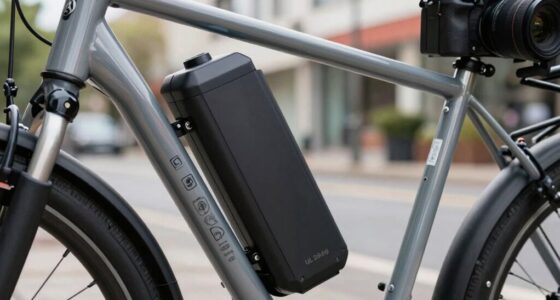
Are you unsure about the different types of e-bikes available? Navigating the world of e-bikes can feel overwhelming at first, especially when trying to understand the distinctions between Classes 1, 2, and 3. Each class offers unique features that influence where and how you can ride, so it’s essential to grasp these differences to stay compliant and enjoy your ride safely. Your choice of riding gear and proper battery maintenance play significant roles in your overall experience, regardless of the class you select.
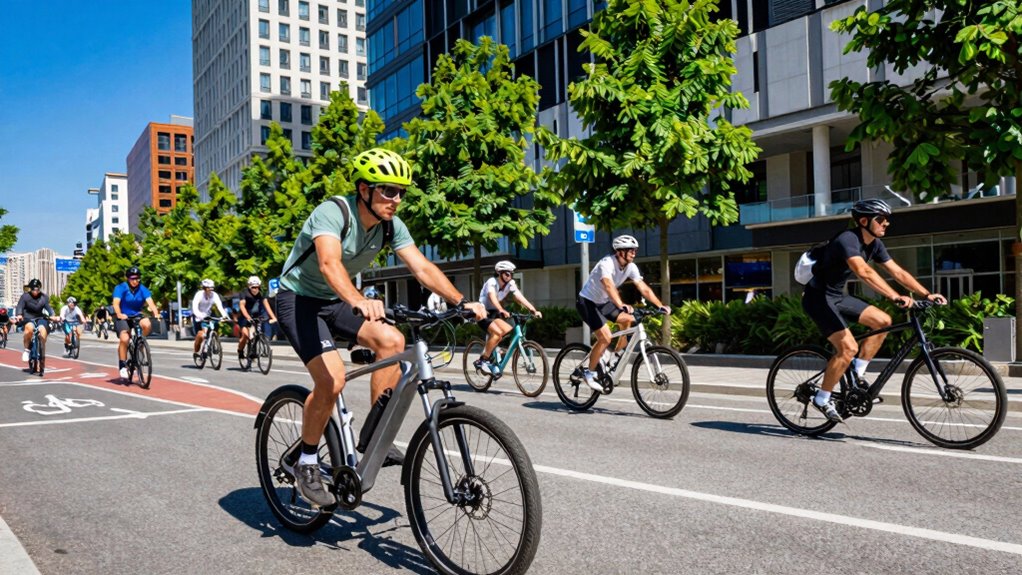
Class 1 e-bikes are equipped with pedal-assist technology that only activates when you’re pedaling and cut off at 20 mph. These bikes are often considered the most versatile and widely accepted across various riding environments. Since they resemble traditional bikes more closely, they’re often permitted on bike paths, trails, and local roads. This means you can ride them almost anywhere bicycles are allowed, making them ideal for commuting or recreational riding. To make the most of your Class 1 e-bike, you should invest in good riding gear—think comfortable helmets, reflective clothing, and protective gloves—to stay safe and visible. Proper battery maintenance is also vital; regularly checking your battery’s health, keeping it charged, and storing it in a cool, dry place helps extend its lifespan and ensures reliable performance every time you hit the road or trail.
Class 1 e-bikes are versatile, resembling traditional bikes, and ideal for riding on bike paths, trails, and roads.
Additionally, understanding the high refresh rates of projectors can enhance your gaming and viewing experience by providing smoother motion clarity.
Class 2 e-bikes feature a throttle mode, allowing you to activate power without pedaling, with assistance also stopping at 20 mph. This makes them a convenient choice for quick errands or for those who prefer a more relaxed riding experience. However, because of their throttle capability, some parks or multi-use paths restrict their use. It’s important to verify local regulations before riding in certain areas. When riding a Class 2 e-bike, your riding gear becomes even more important; using reflective elements and appropriate clothing can help you stay safe, especially if you’re riding during low-light conditions. Meanwhile, battery maintenance remains the backbone of a good riding experience—keeping your battery charged, avoiding deep discharges, and monitoring its health can prevent unexpected issues and prolong your e-bike’s life.
Class 3 e-bikes are high-speed pedal-assist bikes that can reach up to 28 mph. They’re designed for more experienced riders and often used for commuting or longer rides. Because of their speed, many jurisdictions restrict where you can ride them, often excluding bike paths and certain trails. If you ride a Class 3, wearing the right riding gear—such as a high-quality helmet, bright clothing, and lights—is essential for safety and visibility. Battery maintenance becomes even more critical here, as higher speeds demand more from your battery. Regularly inspecting your battery, keeping it properly charged, and avoiding extreme temperatures can keep your e-bike running smoothly over time.
Understanding the distinctions between these classes isn’t just about compliance—it’s about safety, convenience, and making sure you get the most out of your ride. Whether you’re just starting or upgrading your e-bike, paying attention to your riding gear and battery care ensures you enjoy every mile with confidence.
Frequently Asked Questions
Are E-Bike Classes Consistent Across All States?
No, e-bike classes aren’t consistent across all states. State regulations vary, so the rules about rider licensing and where you can ride differ. Some states treat e-bikes like bicycles, requiring no license, while others impose licensing or registration. Before riding, check your state’s specific regulations to make certain you’re compliant. This way, you avoid fines or legal issues and enjoy your e-bike adventures safely.
Can I Convert My Regular Bike Into an E-Bike?
You can definitely convert your regular bike into an e-bike. About 30% of riders do this to enjoy electric assistance. Just make sure to verify local battery regulations and motor wattage limits, which vary by state. Installing a motor and battery system designed for e-bikes ensures you stay compliant with laws. Keep in mind, some regions restrict conversions, so double-check your local rules before upgrading your bike.
Do E-Bike Laws Differ on Private Property?
Yes, e-bike laws differ on private property. You can generally ride your e-bike on private property if you have permission, but you must follow private property regulations and respect trespassing laws. Always check with the property owner before riding, as unauthorized access can lead to legal issues. Understanding these distinctions helps you stay compliant and avoid trouble with trespassing laws when riding on private land.
Are There Age Restrictions for E-Bike Riders?
Think of riding an e-bike like stepping into a new adventure; age restrictions are your passport. Generally, you need to be at least 16 or 18 to be rider eligible, depending on your location. These rules are in place to guarantee safety for everyone on the road. So, before you hop on, check your local laws to confirm the specific age restrictions and rider eligibility requirements.
How Do E-Bike Classifications Affect Insurance Requirements?
Your e-bike’s classification impacts your insurance coverage and legal liability. Class 1 and 2 bikes typically require minimal insurance, similar to regular bicycles, but Class 3 e-bikes often need more extensive coverage due to higher speeds and power. If you’re involved in an accident, your classification determines your legal liability and the insurance you should carry. Make sure to check local laws to avoid gaps in coverage and protect yourself.
Conclusion
Remember, understanding e-bike classes is like knowing the rules of the road in a new city. One simple rule can open up new trails or limit your ride to certain areas, much like the unwritten laws that guide us through unfamiliar terrain. Stay informed, ride responsibly, and embrace the freedom your e-bike offers—just as explorers have always done—because knowing where you can go makes every journey more enjoyable.