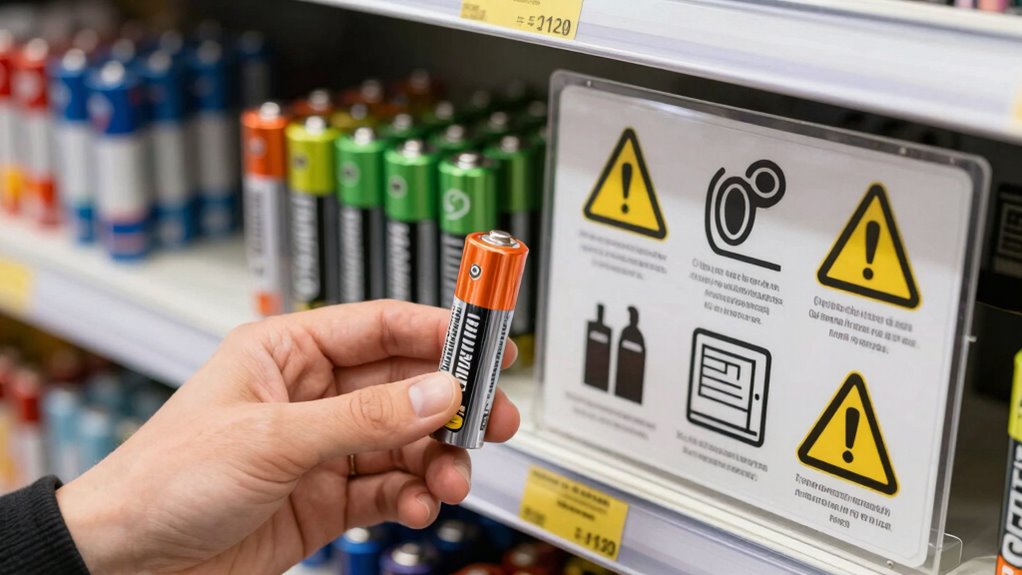

Retail battery rules mean you need to follow safety and disposal guidelines to protect yourself and the environment. You’ll find labels with hazard warnings and instructions for proper handling. Regulations also restrict how and where you can buy certain batteries, especially high-powered ones, and may require age verification. Proper packaging helps prevent accidents, and recycling programs make it easier to dispose of used batteries responsibly. Staying informed guarantees you handle batteries safely—continue to explore for more important tips.
Prime for Young Adults — start your free trial
Fast free delivery, streaming and member deals for eligible 18–24 year olds.
As an affiliate, we earn on qualifying purchases.
Key Takeaways
- Buyers must dispose of used batteries at designated collection points to promote recycling and environmental safety.
- Clear hazard labels inform consumers on safe handling, storage, and potential risks like leakage or fire.
- Batteries should meet safety standards and often come with child-resistant packaging to prevent accidents.
- Sale restrictions and age verification help ensure responsible purchasing, especially for high-powered batteries.
- Proper packaging reduces damage during transport and supports safe use and disposal practices.
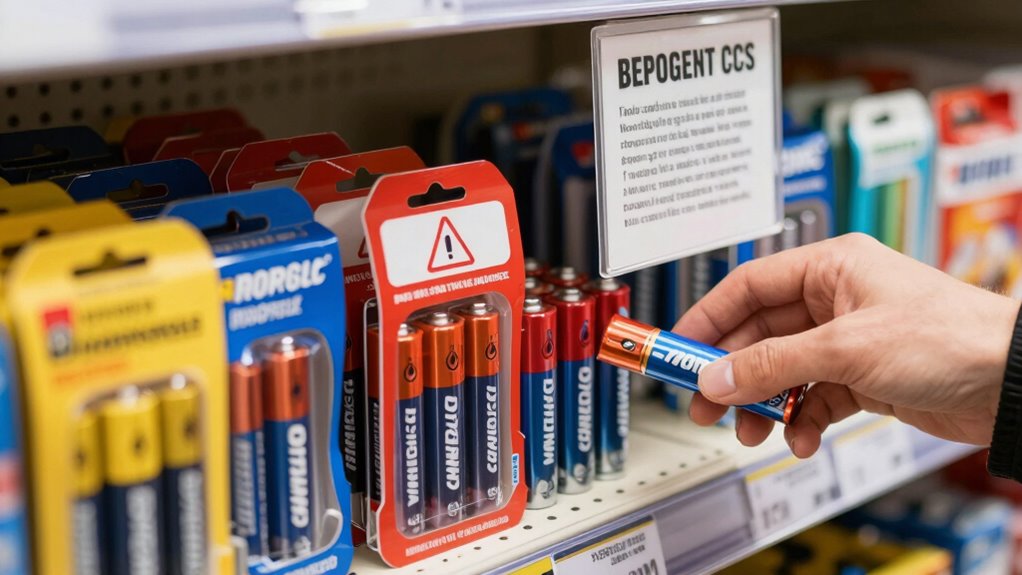
If you’re buying batteries retail, understanding the rules can save you money and prevent unexpected issues. Retail battery regulations are designed to protect both consumers and the environment, making it essential for you to be aware of what’s required when purchasing and disposing of batteries. One key aspect is battery recycling, which many regulations emphasize to reduce hazardous waste and promote sustainability. When you purchase batteries, you might notice specific labeling or instructions about recycling. These rules encourage you to return used batteries to designated collection points or stores, rather than throwing them away with regular trash. Proper disposal prevents harmful chemicals from leaking into the environment and helps conserve valuable resources by enabling proper recycling processes. Additionally, manufacturers often include recycling instructions on packaging to guide consumers on proper disposal methods. Consumer safety is another critical concern addressed by retail battery rules. Laws often mandate clear labeling of battery types, including warnings about potential hazards like leakage, fire, or chemical exposure. As a buyer, you should pay attention to these labels to handle batteries safely. For example, lithium-ion batteries, common in portable electronics, can overheat or explode if damaged or improperly disposed of. Retailers are required to provide guidance on safe handling and storage, ensuring you’re aware of risks and how to mitigate them. Many regulations also promote battery safety standards** to ensure the batteries you purchase are reliable and less prone to failure. These regulations help reduce the risk of injuries or accidents caused by defective products. Many regulations also stipulate that batteries must meet safety standards before being sold, which helps prevent the distribution of hazardous products that could pose safety risks. The rules also influence the packaging and sale of batteries, aiming to prevent accidental ingestion or misuse—especially important for households with children. Child-resistant packaging is often mandated, and retailers must adhere to these standards to help reduce risks. Additionally, some rules restrict the sale of certain types of batteries or require age verification for high-powered batteries**, further enhancing safety. These measures protect consumers from potential harm and ensure that batteries are handled responsibly from purchase to disposal. Understanding these Retail battery regulations can help you make safer and more environmentally conscious choices when buying and disposing of batteries.
rechargeable lithium-ion batteries
As an affiliate, we earn on qualifying purchases.
As an affiliate, we earn on qualifying purchases.
Frequently Asked Questions
How Do Retail Battery Rules Vary Between States?
You’ll notice that retail battery rules differ between states because each state enforces its own standards for battery safety and disposal. Some states require strict labeling, recycling programs, or specific packaging to guarantee state compliance. These variations aim to protect consumers and the environment. When buying batteries, check your state’s battery standards to make sure you’re adhering to local regulations, which can influence where and how batteries are sold and disposed of properly.
Are There Specific Safety Requirements for Battery Packaging?
You must follow strict safety requirements for battery packaging, or risk chaos! Retailers are mandated to meet precise packaging standards, including clear battery labeling that warns of hazards. This isn’t just about compliance; it’s about protecting everyone from potential fires or leaks. Abiding by these safety standards ensures batteries are secure during transit and storage, reducing risks for you and everyone around you. Always check that packaging standards are met before purchasing or handling batteries.
What Are the Penalties for Non-Compliance With Battery Regulations?
If you don’t comply with battery regulations, you could face hefty penalties, including fines and legal actions. The rules emphasize proper battery recycling and require clear consumer warnings to prevent hazards. Non-compliance might also lead to your products being recalled or banned from sale. Staying compliant helps avoid these penalties, protects consumers, and promotes safe disposal practices, ensuring you meet all safety standards and support responsible battery usage.
How Can Buyers Ensure Their Batteries Meet New Rules?
To guarantee your batteries meet new rules, you should check for proper battery certification from trusted sources. Always verify that the batteries comply with safety standards set by regulatory agencies. When purchasing, read labels carefully and buy from reputable sellers who provide documentation of compliance. Staying informed about updates and manufacturer guidelines helps you select batteries that meet all legal and safety requirements, reducing risks and ensuring safe usage.
Do These Rules Apply to All Types of Batteries?
Yes, these rules apply to all types of batteries, including rechargeable and single-use ones. By following proper battery recycling practices, you help reduce environmental impact and guarantee compliance. The regulations aim to manage the entire lifecycle of batteries, minimizing waste and hazardous materials. So, whether you’re dealing with small household batteries or larger industrial ones, these rules affect you and your responsibility to dispose of batteries responsibly.
child-resistant battery packaging
As an affiliate, we earn on qualifying purchases.
As an affiliate, we earn on qualifying purchases.
Conclusion
So, next time you’re shopping for batteries, remember these new rules aren’t just regulations—they’re a lucky coincidence for you. With clearer labeling and safer practices, you’ll find it easier to choose the right battery without surprises. It’s almost like the universe aligned to make your shopping simpler and safer. So, keep an eye out, and enjoy the small luck of smarter, more confident battery buying—after all, good things happen when rules work in your favor.
battery recycling collection box
As an affiliate, we earn on qualifying purchases.
As an affiliate, we earn on qualifying purchases.
high-powered battery safety standards
As an affiliate, we earn on qualifying purchases.
As an affiliate, we earn on qualifying purchases.
NFL season / tailgating Picks
team gear
As an affiliate, we earn on qualifying purchases.