In different places, an e-scooter is generally considered legal if it meets specific guidelines on speed, battery capacity, and licensing. Most locations classify e-scooters with moderate speeds and limited batteries as personal mobility devices, often allowing riding without licenses. However, exceeding certain speed or power thresholds may turn them into motor vehicles that require registration, insurance, or licensing. To stay compliant, you should understand your local laws, and if you keep exploring, you’ll discover what makes an e-scooter truly legal in your area.
Key Takeaways
- Legal classification varies based on battery capacity, speed, and local regulations, determining if an e-scooter is street-legal or restricted.
- Some jurisdictions require registration, licensing, or insurance depending on the scooter’s power and speed.
- Battery limits, such as watt-hour ratings, influence whether an e-scooter is considered a personal device or motor vehicle.
- Regulations may mandate safety features like shutdown functions or fire-resistant casings for compliance.
- Staying updated on local laws is essential to ensure legal riding and avoid fines or confiscation.

E-scooters have become a popular way to navigate cities, but what qualifies as a legal e-scooter varies widely depending on where you are. If you’re planning to ride one, you need to understand local rules, especially regarding battery regulations and licensing requirements. These regulations can determine whether your e-scooter is street-legal or if you risk fines or confiscation.
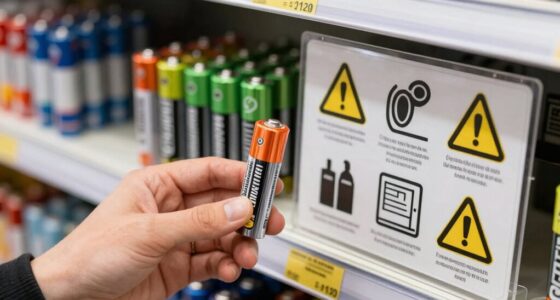
Battery regulations are a key factor in defining legal e-scooters. Many jurisdictions set limits on the maximum wattage or battery capacity allowed for personal electric scooters. For example, some areas restrict batteries to a certain voltage or watt-hour rating to guarantee safety and prevent fire hazards. If your e-scooter has a battery exceeding these limits, it might be classified as a motor vehicle rather than a personal mobility device, making it subject to stricter laws. Conversely, scooters with batteries within the allowed range typically don’t require registration or special permits. You should check whether your local laws specify battery size limits and whether additional safety measures, like battery shutdown features or fire-resistant casing, are mandated. Understanding local regulations is crucial to ensure compliance and safe riding practices. Additionally, keeping up with regulatory updates can help you stay informed about any recent changes affecting e-scooter legality. Staying aware of these updates can also help you avoid unintentional violations that could lead to penalties.
Battery capacity limits determine if an e-scooter is legally classified and requires registration or permits.
Licensing requirements are another vital aspect that varies widely. In some places, you can ride an e-scooter on public roads without a license, as long as it meets certain criteria for speed and power. Other jurisdictions may require you to register the scooter, obtain a license, or complete a safety training course. For instance, if your e-scooter exceeds a certain speed threshold—say, 15 or 20 miles per hour—you might need a driver’s license or a special permit. Some cities even mandate insurance coverage for e-scooter riders, especially if they’re used on busy streets or bike lanes. If your e-scooter falls below the speed or power limits, you might be able to ride it without any licensing, but it’s essential to verify these rules to avoid legal issues. Checking local licensing laws before riding can help prevent fines or other legal complications. Ultimately, what counts as a legal e-scooter depends on local laws that often consider both battery regulations and licensing requirements. Before hopping on, you should research your city’s specific rules, as they can change frequently. Failing to comply might not only lead to fines but also safety risks. By understanding these regulations, you can enjoy your ride confidently and legally.

EVAPLUS 54.6V Smart Charger for 48V Lithium Batteries – UL Certified, Fast Charging with Multi-Safety Protection, Compatible with Electric Bikes/Scooters, DC 5.5 * 2.5/2.1mm Connector
Universal Fast Charging Performance: Designed specifically for 48V lithium-ion batteries (13S configuration), this 54.6V smart charger delivers efficient,…
As an affiliate, we earn on qualifying purchases.
As an affiliate, we earn on qualifying purchases.
Frequently Asked Questions
Are E-Scooters Allowed on Sidewalks in All Cities?
E-scooters aren’t allowed on sidewalks in all cities, as sidewalk safety and e-scooter regulations vary widely. Some places permit riding on sidewalks, especially where bike lanes are unavailable, while others ban it entirely to prevent pedestrian accidents. You should always check local e-scooter regulations before riding. To stay safe and legal, follow posted signs and ride responsibly, giving pedestrians priority and avoiding sidewalks when prohibited.
What Is the Maximum Speed Limit for Legal E-Scooters?
Think of speed limits as the heartbeat of safe riding—most legal e-scooters max out at 15-20 mph, symbolizing balance between thrill and caution. You should always have e-scooter insurance and wear safety gear requirements, like helmets, to protect your journey’s rhythm. Staying within speed limits guarantees your ride remains harmonious with local laws, safeguarding your adventure and the community’s trust.
Do E-Scooter Riders Need a License or Registration?
You typically don’t need a license or registration to ride an e-scooter, but insurance requirements vary by location. Some areas may require you to have personal insurance or a specific e-scooter insurance policy. It’s essential to follow local e-scooter safety standards, which often include helmet use and speed limits. Always check your city’s regulations before riding to guarantee you’re compliant and protected.
Are E-Scooters Permitted on Bike Lanes Everywhere?
You can usually ride your e-scooter in bike lanes, but rules vary by location. Some places restrict e-scooter use in certain bike lanes or require specific E scooter insurance. Always check local E scooter parking regulations and laws before riding, as restrictions may include designated parking zones or restrictions on riding in bike lanes during peak hours. Staying informed helps you avoid fines and enjoy riding safely.
How Old Must You Be to Legally Ride an E-Scooter?
You need to be at least 16 or 18, depending on your location, to legally ride an e-scooter. Sometimes, helmet laws and insurance requirements influence age restrictions. Coincidentally, in some areas, if you’re under the age limit, you might need adult supervision or special permits. Always check local laws before riding, because age, helmet laws, and insurance requirements vary widely, and staying compliant keeps your ride safe and legal.

E-MX Turn Signal Kit W/Brake Light Sur Ron Segway x260 x160 Talaria MX3 MX4 E Ride Pro SS 79 Bike Falcon M Street Legal
Plug and play
As an affiliate, we earn on qualifying purchases.
As an affiliate, we earn on qualifying purchases.
Conclusion
So, next time you hop on that e-scooter, remember—what’s legal somewhere might not be elsewhere. Laws are changing fast, and what’s permitted today could be restricted tomorrow. Will you stay ahead of the rules or find yourself caught off guard? Keep yourself informed, stay cautious, and always ride responsibly. The boundaries are shifting, and the line between legal and illegal is more fragile than you think. Are you ready for what’s next?

MOOTINGMOTO Electric Scooter Speed Limiter Adjustable Throttle Control Switch for Mobility Scooter E-Bike ATV Tricycle
Adjustable speed limiter for compatible electric scooter and mobility vehicle throttle systems.
As an affiliate, we earn on qualifying purchases.
As an affiliate, we earn on qualifying purchases.

WOOSTAR 16.5mm Carburetor Rebuild Repair Kit Replacement for GY6 49cc 50cc Scooter ATV Moped Quad
★【REPLACEMENT FOR】GY6 49cc 50cc Scooter ATV Moped Quad;
As an affiliate, we earn on qualifying purchases.
As an affiliate, we earn on qualifying purchases.