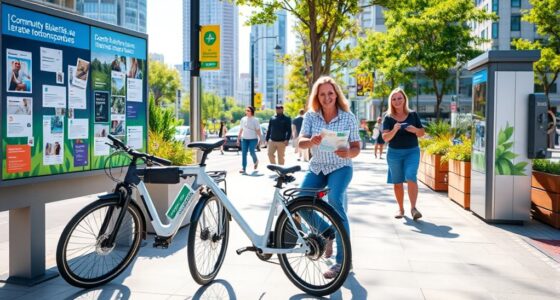

In U.S. national parks, e-bike access varies by location and trail regulations. Some parks allow e-bikes on designated trails, treating them like traditional bikes, while others restrict them to specific zones or prohibit them altogether. Always check each park’s rules beforehand to avoid fines or being asked to leave. Properly following these guidelines helps protect natural resources and ensures a safe, enjoyable experience. Keep exploring to discover which parks welcome e-bikes and how to ride responsibly.

Get bike and ride gear delivered free with Prime
- Fast, free delivery on millions of items
- Prime Video, Amazon Music and more included
- Member-only deals all year
Key Takeaways
- E-bike access varies by park; some allow riding on designated trails, others restrict or prohibit use entirely.
- Always check each national park’s specific regulations through official websites or visitor centers before riding.
- E-bikes are generally permitted where traditional bikes are allowed, but restrictions may apply on certain trails or zones.
- Responsible riding and adherence to signage help protect natural resources and ensure safety within park boundaries.
- Regulations aim to balance outdoor recreation with environmental preservation, so compliance is essential for continued access.
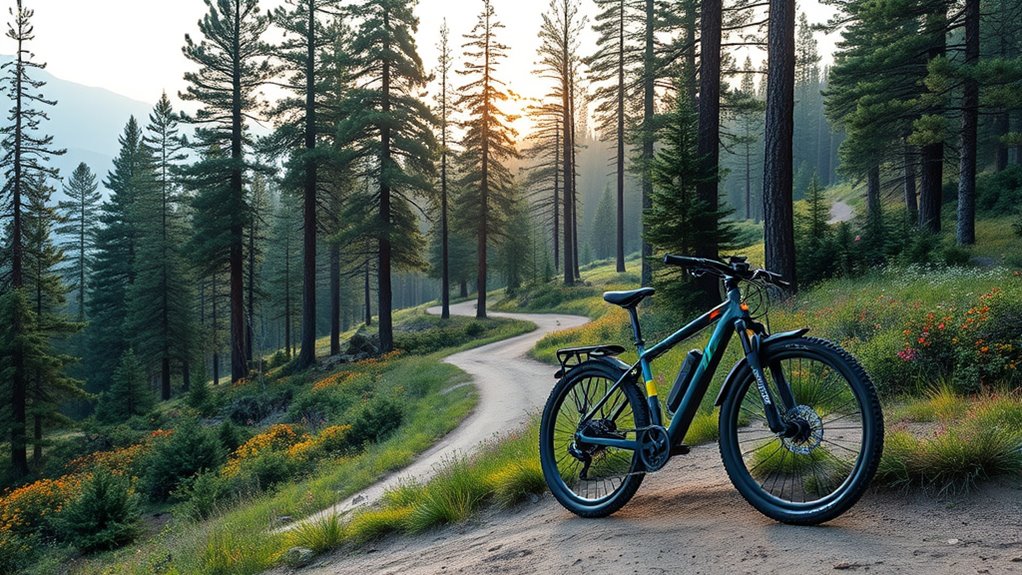
As more visitors seek eco-friendly ways to explore the breathtaking landscapes of U.S. national parks, e-bikes have become an increasingly popular option. They offer a sustainable, efficient way to cover more ground while reducing your carbon footprint. However, before you hit the trails, it’s essential to understand the trail regulations that govern e-bike use. Each park has its own rules, and some areas may restrict e-bike access altogether. To stay compliant, always check the specific regulations of the park you’re visiting. These rules are put in place to protect natural resources and ensure visitor safety. For example, many parks classify e-bikes similarly to traditional bikes, allowing their use on designated trails, but some restrict e-bikes to certain areas or trails only. Ignoring these regulations can lead to fines or being asked to leave, so it’s best to do your homework beforehand.
E-bike safety is another critical aspect to contemplate. While e-bikes make exploring easier, they also demand responsible riding. Always wear a helmet, just like you would on a traditional bicycle. Due to their motor assistance, e-bikes can reach higher speeds, making it even more important to stay alert and ride at safe speeds, especially on narrow or uneven trails. Be mindful of other trail users—hikers, horseback riders, and fellow bikers—and give them plenty of space. Maintaining control is essential, especially when steering through steep or rocky sections, as an e-bike’s extra power can make handling more challenging if you’re not cautious. It’s also wise to familiarize yourself with your bike’s features and braking system before setting out, ensuring you can respond quickly in unexpected situations. Properly maintaining your e-bike, including checking tire pressure and brakes, helps prevent accidents and keeps your ride smooth.
In addition, respecting trail signage and designated e-bike zones is vital. Many parks designate specific trails for e-bike use to minimize environmental impact and trail erosion. Always follow posted signs and stay within authorized areas. Doing so not only keeps you safe but also preserves the natural beauty of the parks for future visitors. Remember that parks are shared spaces, and practicing responsible e-bike riding helps foster good relationships with other visitors and park staff. By adhering to trail regulations and practicing e-bike safety, you enjoy the thrill of exploring national parks while respecting their delicate ecosystems. Utilizing high-quality projectors for viewing park videos or maps can enhance your understanding and appreciation of these protected areas. Your mindful approach ensures that these incredible landscapes remain pristine and accessible for generations to come.
electric bike for mountain trails
As an affiliate, we earn on qualifying purchases.
As an affiliate, we earn on qualifying purchases.
Frequently Asked Questions
Are E-Bikes Allowed on All Trails Within National Parks?
No, e-bikes aren’t permitted on all trails within national parks. Trail access depends on e-bike classifications—Class 1 and 2 are typically allowed where designated, but Class 3 bikes may be restricted. Always check specific park regulations, as trail access varies based on trail type and management policies. You must follow posted signs and park rules to ensure you’re riding legally and preserving park resources.
Do E-Bike Regulations Vary Between Different U.S. National Parks?
Imagine the thrill of exploring nature’s masterpiece—your e-bike’s hum blending with the wilderness. Yes, e-bike regulations vary between parks, making it crucial to check specific park visitor guidelines before hitting the trails. Proper e-bike maintenance ensures you stay compliant and safe. Each park’s rules protect the environment and your experience, so respecting these differences keeps the adventure enjoyable and sustainable for everyone.
What Safety Gear Is Recommended When Riding E-Bikes in Parks?
When riding e-bikes in parks, you should prioritize helmet safety and wear protective clothing. A properly fitted helmet reduces head injury risk, while gloves, long sleeves, and pants help protect your skin from scrapes and scratches. Consider knee and elbow pads for added safety, especially on rough terrain. Always check park-specific rules, but these safety gear essentials help keep you safe and comfortable during your ride.
How Do Park Authorities Enforce E-Bike Restrictions?
Park authorities enforce e-bike restrictions through a variety of methods, including patrols, signage, and public education. They monitor trails regularly and may use technology like cameras or GPS to track violations. If you break the rules, you could face consequences like fines, park bans, or even criminal charges. To avoid these, always follow posted regulations and cooperate with park staff during enforcement efforts.
Are There Specific E-Bike Models Approved for Park Use?
You won’t find a specific list of approved e-bike models, but park authorities look for bikes with proper e-bike certification and adhere to brand restrictions. Think of it as a dance: only models with the right certifications and from trusted brands can waltz onto park trails. This guarantees safety and environmental protection, so always check for certification marks and brand restrictions before you ride to stay within the park’s rules.
As an affiliate, we earn on qualifying purchases.
Conclusion
As you explore U.S. national parks in 2025, e-bikes open up incredible adventures like never before. Remember, they’re allowed in many areas, but rules can change faster than a lightning strike. Stay informed, respect park boundaries, and enjoy the thrill of gliding through breathtaking landscapes. With e-bikes, your park experience could become the most epic journey of your life—so gear up and make every ride unforgettable!
As an affiliate, we earn on qualifying purchases.
trail map for national parks e-bike routes
As an affiliate, we earn on qualifying purchases.
As an affiliate, we earn on qualifying purchases.
Columbus Day / Indigenous Peoples' Day Picks
long weekend sales
As an affiliate, we earn on qualifying purchases.