
Emergency fixes are quick, temporary solutions that address urgent problems, often using makeshift materials to keep systems running. Real repairs, on the other hand, involve careful planning, quality materials, and skilled work to fix the root cause and guarantee lasting durability. While emergency fixes buy you time, real repairs prevent future issues and extend system life. If you want to understand how to balance both and make smarter choices, there’s more to explore.
Key Takeaways
- Emergency fixes are quick, temporary solutions for immediate issues, while real repairs address the root cause for long-term stability.
- Emergency fixes often use simple, temporary materials; real repairs involve durable, proper materials for lasting results.
- Emergency fixes are reactive and done in haste; real repairs require careful planning and thorough assessment.
- Emergency fixes cost less initially but may lead to bigger problems; real repairs require more investment but offer lasting benefits.
- Emergency fixes keep systems running temporarily; real repairs improve reliability and extend system lifespan.
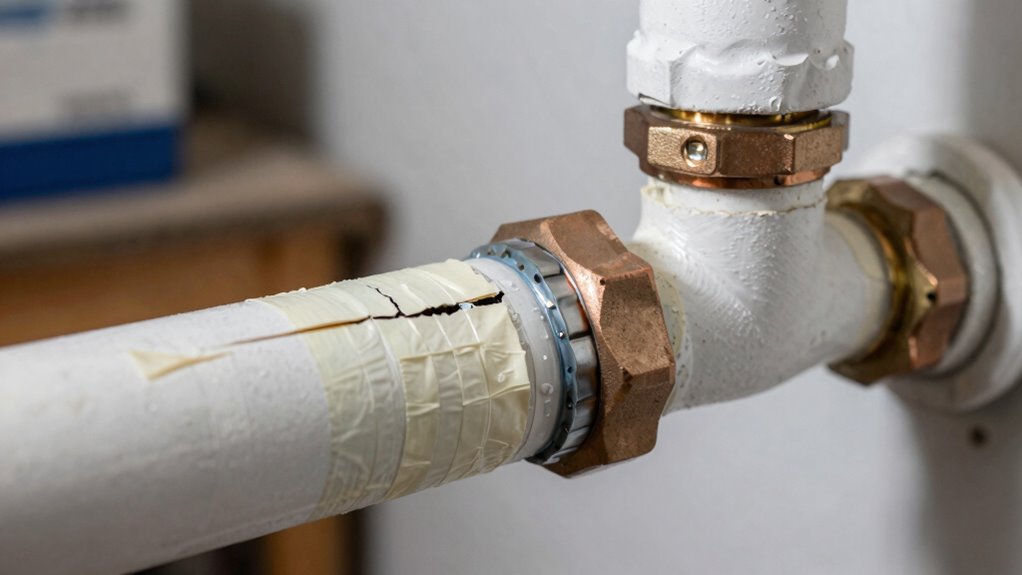
Have you ever wondered what truly separates an emergency fix from a long-term repair? The difference often comes down to the purpose and planning behind each approach. Emergency fixes are designed to address immediate problems quickly, often using temporary solutions to stop leaks, prevent further damage, or get things running again. You might see someone patch a burst pipe with duct tape or seal a crack in a wall with quick-set plaster. These fixes are essential when time is tight, but they’re not meant to last. They serve as stopgaps that buy you time until you can plan a proper, lasting repair.
Emergency fixes are quick solutions that address immediate issues but aren’t meant to last.
Temporary solutions like these are indispensable during urgent situations, but relying on them long term can lead to bigger issues down the line. That’s why long-term maintenance is fundamental. When you’re thinking about real repairs, you focus on fixing the root cause of the problem. This involves more detailed inspections, proper materials, and skilled work that guarantees the issue won’t recur. Long-term maintenance isn’t just about patching things up; it’s about restoring the integrity and safety of your systems over time. For example, instead of just sealing a leak, a long-term repair might involve replacing damaged piping or redoing the plumbing altogether. This approach reduces the chances of future failures and saves you money and stress.
A key distinction is planning. Emergency fixes are often reactive—done in a hurry, with whatever resources are available. They’re designed to stabilize the situation temporarily but aren’t meant to be permanent. Long-term repairs, on the other hand, come with a thoughtful strategy. You assess the problem thoroughly, identify the underlying issues, and choose solutions that will hold up over years. This often means investing more time and money upfront, but it ultimately guarantees durability and peace of mind. Proper maintenance routines, inspections, and timely repairs prevent problems from escalating, saving you from emergency fixes that might only mask the real issue. Additionally, understanding the importance of system longevity helps guide your decision-making process toward effective solutions. Recognizing the need for preventative maintenance allows you to address issues before they become emergencies, ultimately saving time and resources in the long run. Being proactive about long-term planning can significantly extend the lifespan of your systems and reduce the frequency of urgent repairs. Incorporating preventative measures into your routine can help identify potential problems early and avoid costly emergency interventions. Emphasizing system durability also means choosing quality materials and workmanship that withstand the test of time.
In the end, knowing when to apply a temporary solution and when to commit to a proper repair can save you time, money, and headaches. Emergency fixes keep things functioning temporarily, but they shouldn’t replace long-term maintenance. The real difference lies in your approach—quick fixes keep you afloat, but lasting repairs build a solid foundation for the future. If you want your systems to work reliably and efficiently, prioritize planning and investing in proper repairs over fleeting fixes.
emergency pipe repair kit
As an affiliate, we earn on qualifying purchases.
As an affiliate, we earn on qualifying purchases.
Frequently Asked Questions
How Can I Tell if a Repair Is an Emergency or a Permanent Fix?
You can tell if a repair is an emergency or a permanent fix by evaluating its purpose and durability. Emergency fixes tend to be temporary solutions aimed at stopping immediate issues, while permanent repairs address the root cause for long-term stability. Consider your maintenance planning—if a fix is quick and short-term, it’s likely an emergency. For lasting results, schedule proper repairs that prevent future problems and guarantee safety and efficiency.
What Are Common Signs That an Emergency Fix Needs a Proper Repair?
You’ll notice if a temporary solution isn’t holding up, like leaks reappearing or parts failing again. These signs indicate it’s time for a proper repair. Relying on emergency fixes repeatedly can lead to higher cost implications over time, as temporary fixes don’t address underlying issues. When problems persist or worsen, it’s a clear sign that you need a permanent repair to guarantee safety and long-term reliability.
Are Emergency Fixes More Expensive Than Regular Repairs?
Emergency fixes tend to be more expensive than regular repairs because they’re often temporary solutions designed to address urgent issues quickly. The cost considerations stem from the need for immediate service, potential labor rush charges, and sometimes, using quick-fix materials that aren’t durable. While these fixes resolve the problem temporarily, investing in proper repairs later can save you money and prevent recurring issues, making them more cost-effective long-term.
How Do Emergency Fixes Impact the Overall Lifespan of Equipment?
Emergency fixes, often temporary solutions, can negatively impact your equipment’s overall lifespan. While they save you time initially, they may lead to more wear and tear, causing long-term damage. This short-term approach can increase future repair costs and reduce equipment durability. So, even though emergency fixes seem convenient, they often have costly cost implications over time, making it smarter to invest in proper repairs upfront.
What Are Best Practices for Transitioning From an Emergency Fix to a Lasting Repair?
You should prioritize preventive maintenance and thoroughly document repairs to guarantee lasting solutions. After an emergency fix, assess the root cause and schedule a complete repair. Use detailed repair documentation to track issues and improvements over time. This approach helps you shift smoothly from quick fixes to durable repairs, ultimately extending equipment lifespan and reducing future emergencies. Consistent maintenance and clear records are key to lasting, effective repairs.
long-term plumbing repair tools
As an affiliate, we earn on qualifying purchases.
As an affiliate, we earn on qualifying purchases.
Conclusion
Understanding the difference between emergency fixes and real repairs is like choosing between a quick patch and a lasting solution—you’ll save time now, but long-term peace of mind comes from fixing the root cause. Emergency fixes are like band-aids on a deep wound; they’re necessary in a pinch but can’t replace proper treatment. Invest in real repairs, and you’ll build a sturdy foundation that withstands the storms, turning fleeting fixes into lasting peace of mind.
temporary wall patching materials
As an affiliate, we earn on qualifying purchases.
As an affiliate, we earn on qualifying purchases.
professional plumbing repair kit
As an affiliate, we earn on qualifying purchases.
As an affiliate, we earn on qualifying purchases.