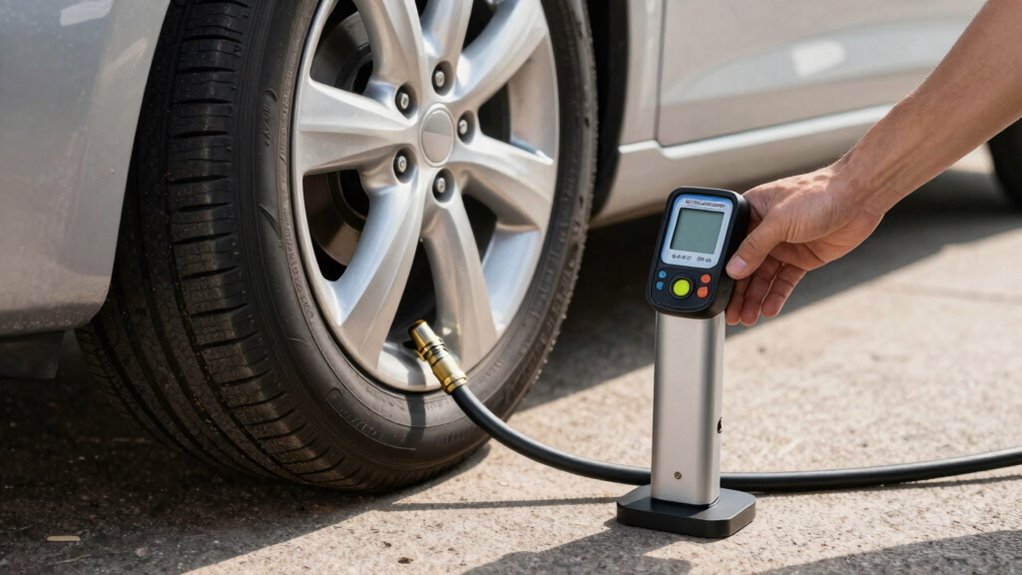

Before a commute, find a flat, safe spot to park and remove the valve cap from your tire’s stem. Use a reliable gauge to check the current pressure, then add or release air until you reach your vehicle manufacturer’s recommended PSI. Recheck the pressure to guarantee accuracy and replace the valve cap. Properly maintained tire pressure improves safety, handling, and fuel efficiency—keep your tires in top shape, and you’ll discover more helpful tips ahead.
Key Takeaways
- Park in a flat, safe area before checking tire pressure.
- Remove the valve cap and attach a reliable gauge for an accurate reading.
- Add or release air to reach the vehicle manufacturer’s recommended PSI.
- Recheck tire pressure after adjustments to ensure proper inflation.
- Replace the valve cap securely to protect the valve stem from dirt and moisture.
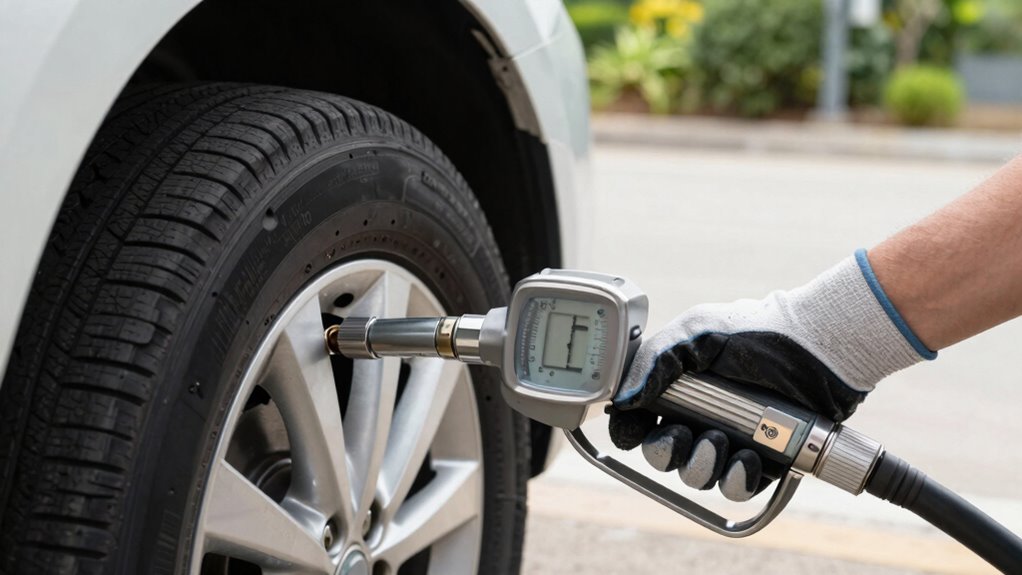
Ever wonder why maintaining the right tire pressure is so important? It’s because proper tire pressure directly impacts your vehicle’s safety, fuel efficiency, and tire lifespan. When your tires aren’t inflated correctly, it can lead to uneven wear, decreased traction, and even a higher risk of blowouts. Before you head out for your daily commute, taking a few minutes to ensure your tires are properly topped up can make a big difference. One key aspect to focus on is tire pressure accuracy, which means checking the pressure with a reliable gauge to confirm it matches your vehicle manufacturer’s recommendations. Many drivers overlook this step, but even small deviations can affect handling and comfort on the road. Proper tire pressure maintenance helps prevent unnecessary tire damage and ensures your vehicle performs optimally. Seasonal tire adjustments are equally important. As temperatures drop, air contracts, causing your tire pressure to decrease. Conversely, warmer weather can cause the air inside your tires to expand, increasing pressure. That’s why it’s essential to adjust your tire pressure seasonally, especially if you notice your tires consistently read lower or higher than the recommended levels. During colder months, you might need to add a bit more air to compensate for the contraction caused by the cold. In summer, check to ensure your tires aren’t overinflated due to expanding air from heat. These seasonal tire adjustments keep your tires functioning optimally and help prevent uneven wear or sudden loss of pressure. Maintaining proper tire pressure also contributes to better overall vehicle control, especially in challenging driving conditions. When topping up your tires before a commute, start by finding a flat, safe place to park your vehicle. Remove the valve cap from your tire’s valve stem and attach your tire pressure gauge. Press the gauge firmly onto the valve stem to get an accurate reading. If your pressure is below the recommended level, add air using an air compressor until it reaches the correct PSI. If it’s too high, let out some air until you hit the mark. Don’t forget to recheck the pressure after making adjustments, as adding or releasing air can slightly alter the measurement. Always replace the valve cap afterward to prevent dirt and moisture from entering the valve stem. Making these small, deliberate checks and adjustments each day before your commute ensures your tires stay in optimal condition. Regularly inspecting your tires also helps identify potential issues early, which is part of preventive maintenance. Being aware of seasonal changes in tire pressure can help you better manage your vehicle’s performance throughout the year. Incorporating proper tire inflation techniques is essential for maintaining safety and efficiency. It improves your safety, maximizes fuel efficiency, and extends the life of your tires. Remember, tire pressure accuracy and seasonal adjustments aren’t just about following a routine—they’re about taking control of your driving experience. A quick, regular check-up can save you from more costly repairs down the line and give you peace of mind every time you hit the road.
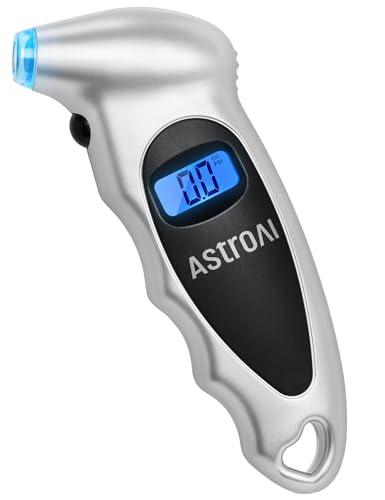
AstroAI Digital Tire Pressure Gauge 150PSI, ±1PSI Accuracy for Car Truck
- Accurate, Calibrated Readings: ±1 PSI accuracy for reliable results
- Backlit LCD & Nozzle Light: Illuminated display and nozzle for dark conditions
- Multiple Measurement Units: Switch between PSI, Bar, Kgf/cm², KPA
As an affiliate, we earn on qualifying purchases.
As an affiliate, we earn on qualifying purchases.
Frequently Asked Questions
How Often Should I Check My Tire Pressure?
You should check your tire pressure at least once a month and before long trips. Use tire pressure sensors to get accurate readings, and don’t forget to inspect valve maintenance regularly—faulty valves can cause pressure loss. Regular checks guarantee safe driving, better fuel efficiency, and longer tire life. Keep a portable pressure gauge handy, and make it part of your routine to maintain ideal tire pressure for every journey.
Can Over-Inflating Damage My Tires?
Over-inflating your tires can harm them, causing uneven tire wear and increasing the risk of blowouts. While it might seem like more pressure improves fuel efficiency, too much pressure actually reduces your tire’s grip on the road, leading to compromised safety. Think of it as a balance—properly inflated tires optimize both tire wear and fuel efficiency. Always follow the manufacturer’s recommended PSI to avoid damaging your tires and guarantee a safe, smooth ride.
What’s the Best Time of Day to Top Up?
You should top up your tires in the early morning or late evening when temperatures are cooler. Cooler air helps maintain tire pressure accuracy, ensuring your readings are precise. Seasonal tire checks are essential, as temperature fluctuations can affect pressure. Avoid topping up during hot midday hours when heat causes pressure to rise temporarily. Consistently checking and adjusting tire pressure at the right times keeps your tires in peak condition and improves safety.
Does Temperature Affect Tire Pressure Readings?
A stitch in time saves nine, and understanding temperature’s impact helps. Yes, temperature affects tire pressure readings because of seasonal temperature changes. As temperatures rise, tire pressure increases, while it drops when temperatures fall. These tire pressure fluctuations are normal and should be considered when topping up your tires. Always check pressure when tires are cold, ideally before driving, to get the most accurate reading regardless of seasonal changes.
Should I Use a Portable or Station Air Pump?
You should choose a portable pump if you want convenience and portability, especially for quick top-ups on the go. A station pump is better if you need higher pressure accuracy and faster filling, making it ideal for regular, detailed tire maintenance. Consider your needs: for occasional, emergency use, a portable pump works well. For more precise, frequent checks, a station pump provides better control and consistency.

AstroAI AIRUN H Tire Inflator Portable Air Compressor, 12V DC Tire Inflator, Auto Shut-Off with Digital Pressure Gauge & LED Light, Fast Inflation for Car, Motorcycle, Bike Tires, 9.8Ft Cord, Yellow
- Power Source: Requires 12V DC cigarette lighter
- Cord Length: 9.8-foot power cord for flexibility
- Programmable Inflation: Set desired pressure with auto shut-off
As an affiliate, we earn on qualifying purchases.
As an affiliate, we earn on qualifying purchases.
Conclusion
Keeping your tires properly inflated isn’t just about safety—it’s also about saving money and reducing emissions. Did you know that under-inflated tires can increase fuel consumption by up to 3%, costing you more at the pump? By topping up your tire pressure regularly before your commute, you guarantee a smoother ride, better mileage, and a greener environment. So, take a moment to check and inflate your tires; it’s a simple step that makes a big difference.
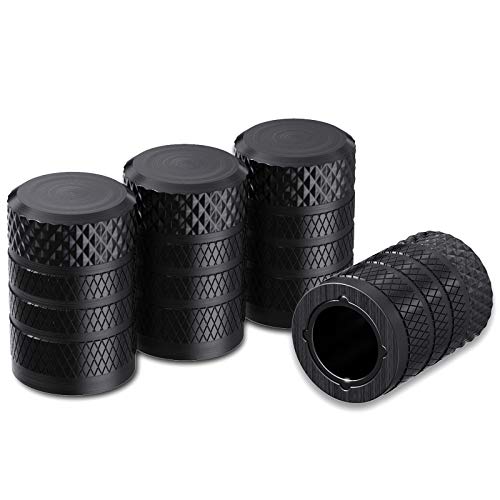
CKAuto Tire Valve Stem Caps, Aluminum Black, 4 pcs/Pack
- Package Includes: 4 aluminum valve stem caps
- Universal Compatibility: Fits cars, SUVs, bikes, trucks, motorcycles
- TPMS Safe: Compatible with tire pressure monitoring systems
As an affiliate, we earn on qualifying purchases.
As an affiliate, we earn on qualifying purchases.
AstroAI AIRUN H Tire Inflator Portable Air Compressor, 12V DC Tire Inflator, Auto Shut-Off with Digital Pressure Gauge & LED Light, Fast Inflation for Car, Motorcycle, Bike Tires, 9.8Ft Cord, Yellow
- Power Source: Requires 12V DC cigarette lighter
- Cord Length: 9.8-foot power cord for flexibility
- Programmable Inflation: Set desired pressure with auto shut-off
As an affiliate, we earn on qualifying purchases.
As an affiliate, we earn on qualifying purchases.