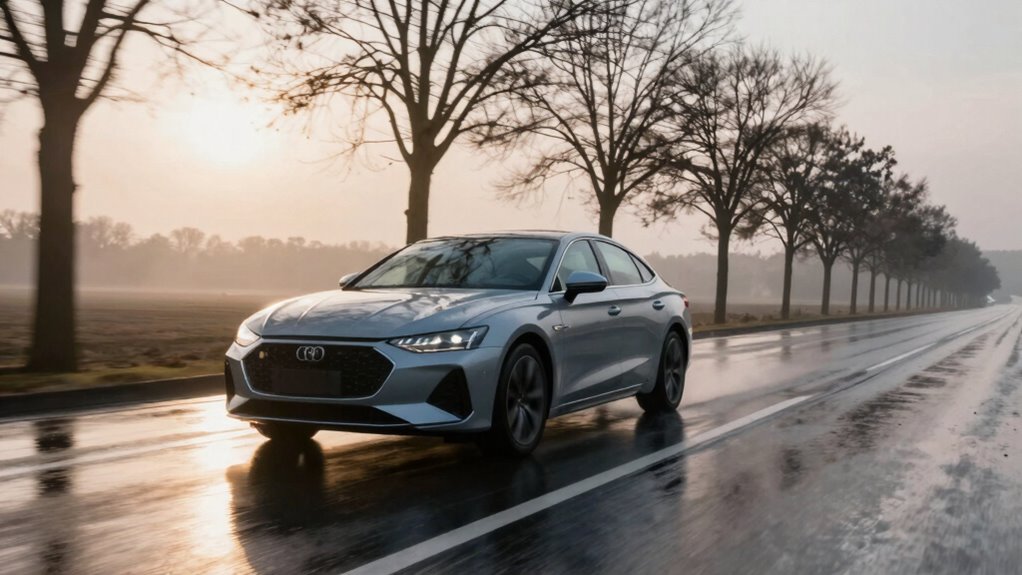

To avoid glare from wet roads, keep your windshield clean and replace wiper blades regularly to prevent streaks and glare. Use low beams instead of high beams to reduce reflection, and keep headlights properly aligned. Adjust your driving speed and increase following distance to stay safe on slick surfaces. Stay alert for changing conditions and adapt your driving as needed. Continuing further will give you more helpful tips to stay safe in wet weather.
Key Takeaways
- Use low beam headlights instead of high beams during rainy conditions to reduce glare.
- Keep windshields and headlights clean and properly aligned for optimal visibility.
- Maintain a safe following distance to account for longer stopping distances on wet roads.
- Focus on the right edge of the road or white lines to avoid looking directly into oncoming headlights.
- Reduce speed to improve reaction time and minimize glare impact in wet, reflective conditions.
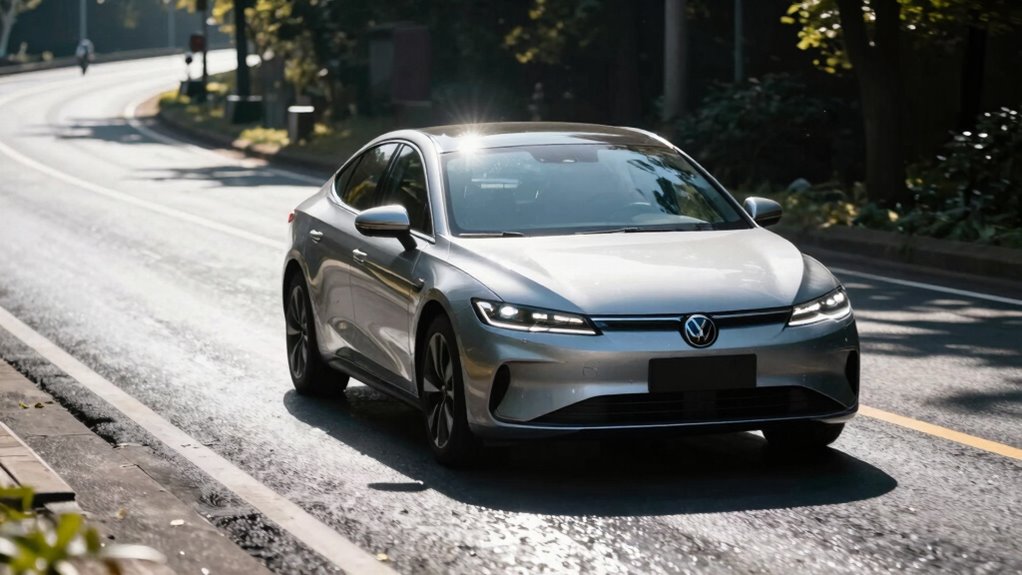
Wet roads can create dangerous glare that impair your visibility and increase the risk of accidents. The reflection of sunlight or headlights on slick surfaces can make it difficult to see clearly, especially during dawn, dusk, or rainy conditions. To stay safe, you need to understand how to reduce this glare and improve your ability to see the road ahead. One of the most effective ways to do this is by making certain your vehicle is properly maintained. Regular vehicle maintenance, like cleaning your windshield and replacing worn-out wiper blades, makes a significant difference. Dirty or streaked windshields scatter light and intensify glare, making it harder to distinguish hazards. Wiper blades that don’t clear moisture effectively leave streaks that reflect light, further impairing your vision. By keeping your vehicle in top shape, you prevent these common issues and maximize your visibility on wet roads.
Proper vehicle maintenance, such as cleaning your windshield and replacing wiper blades, enhances visibility on wet roads.
Another essential road safety tip is to adjust your driving habits during wet conditions. When roads are slick, reduce your speed to give yourself more time to react to unexpected obstacles or sudden changes in traffic. Slower speeds decrease the severity of potential crashes and improve your control over the vehicle. It’s also wise to increase the following distance between you and the vehicle ahead. This extra space allows you to brake gradually and avoid skidding if the road surface suddenly becomes more slippery. Maintaining a safe distance is critical, especially since wet roads can cause longer stopping distances and reduce tire grip. Additionally, understanding how road surface conditions influence traction can help you anticipate changes in grip and drive more cautiously on varying wet surfaces.
Your use of headlights and your positioning on the road also influence how much glare you experience and how well you see. Use low beams during rainy or wet conditions because high beams tend to reflect off wet surfaces, creating additional glare that hampers visibility. Keep your headlights clean and properly aligned to maximize their effectiveness. Additionally, avoid looking directly into the headlights of oncoming vehicles, which can cause temporary blindness and further impair your perception of the road. Instead, focus on the right edge of the road or white lines to stay oriented.
Finally, always stay alert for changing weather conditions and road surfaces. Wet roads can vary from slick to muddy, and the glare can intensify as the sun shifts or clouds gather. Staying vigilant and practicing good vehicle maintenance combined with these road safety tips ensures you’re better prepared to handle glare, minimize risks, and arrive safely at your destination. Additionally, understanding how biodiversity impacts weather patterns and road safety can help you stay informed about environmental factors that influence driving conditions. Recognizing the connection between environmental factors and driving safety is crucial for adapting your habits to different conditions.
windshield wiper blades replacement kit
As an affiliate, we earn on qualifying purchases.
As an affiliate, we earn on qualifying purchases.
Frequently Asked Questions
Can Polarized Sunglasses Reduce Glare Effectively on Wet Roads?
Yes, polarized sunglasses can reduce glare effectively on wet roads. They work by blocking horizontal light waves that create glare, making driving safer and more comfortable. To enhance their effectiveness, look for sunglasses with anti-reflective coatings and tinted lenses, which further minimize reflections and improve visibility. Wearing these specialized sunglasses helps you see clearly, reducing eye strain and making driving in wet conditions safer and less stressful.
Does the Time of Day Affect Glare Intensity More Than Road Conditions?
While weather variations and road conditions influence glare, the sun position during different times of day has a more significant impact. You’ll notice intense glare during sunrise and sunset because the sun’s low angle directs more light into your eyes. As the day progresses, the glare lessens, but weather factors like cloud cover or rain can still cause discomfort. So, pay attention to both sun position and weather for safer driving.
Are There Specific Vehicle Features That Minimize Glare Impact?
Yes, there are vehicle features that minimize glare impact. You should look for vehicles with advanced vehicle lighting, like adaptive headlights, which adjust brightness and direction to reduce glare for both you and other drivers. Additionally, a well-designed windshield with anti-reflective coatings can help reduce glare reflection. These features work together to improve visibility and safety, especially on wet roads where glare from light sources can be particularly distracting.
How Does Eye Health Influence Glare Sensitivity and Prevention?
Your eye health dramatically influences glare sensitivity and prevention. If you’re suffering from eye strain or poor vision clarity, even the slightest glare can feel overwhelming, like staring directly into the sun. Healthy eyes process light more effectively, reducing discomfort. Regular eye check-ups, proper correction, and eye protection can boost your ability to handle glare, making wet roads safer and less stressful for you. Prioritize eye health to keep your vision sharp and glare manageable.
Can Road Surface Treatments Decrease Glare From Wet Conditions?
Yes, road surface treatments can decrease glare from wet conditions. Treatments like applying textured or matte surfaces reduce reflection, making the road less shiny and less likely to cause glare. You should look for treatment options such as grooved surfaces or anti-glare coatings, which can improve visibility and safety during rainy or wet conditions. These options help minimize the blinding effects of light reflecting off wet roads, making driving safer for you.
As an affiliate, we earn on qualifying purchases.
Conclusion
Remember, steering through wet roads is like steering through a mirror’s reflection—you need to be cautious and prepared. By adjusting your speed, using your headlights wisely, and maintaining clean windshields, you can see clearly and avoid dangerous glare. Think of your eyes as a lantern; the clearer your view, the safer your journey. Just as a lighthouse guides ships safely through storms, your attentive driving ensures you stay safe amidst wet road challenges.
As an affiliate, we earn on qualifying purchases.
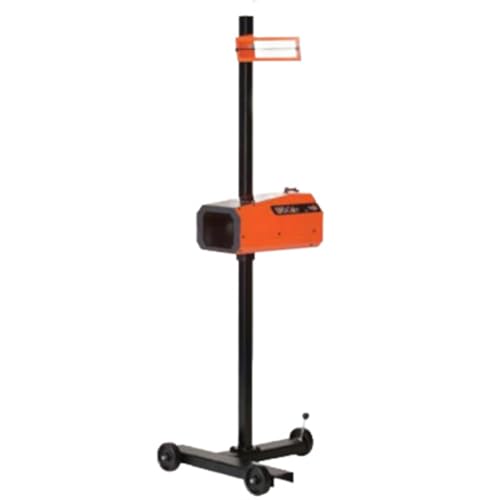
Symtech (1010000) Headlight Alignment System
- Rotational Mast: Allows precise headlight alignment
- Adjustable Height: Customizable for different vehicle heights
- Durable and Lightweight: Built for longevity and ease of use
As an affiliate, we earn on qualifying purchases.
As an affiliate, we earn on qualifying purchases.