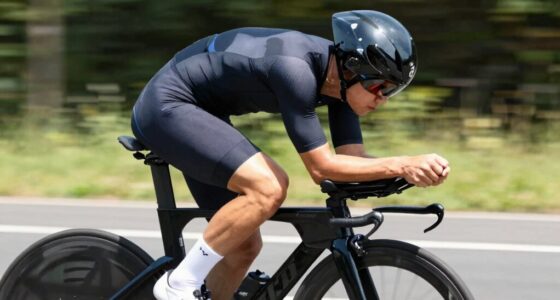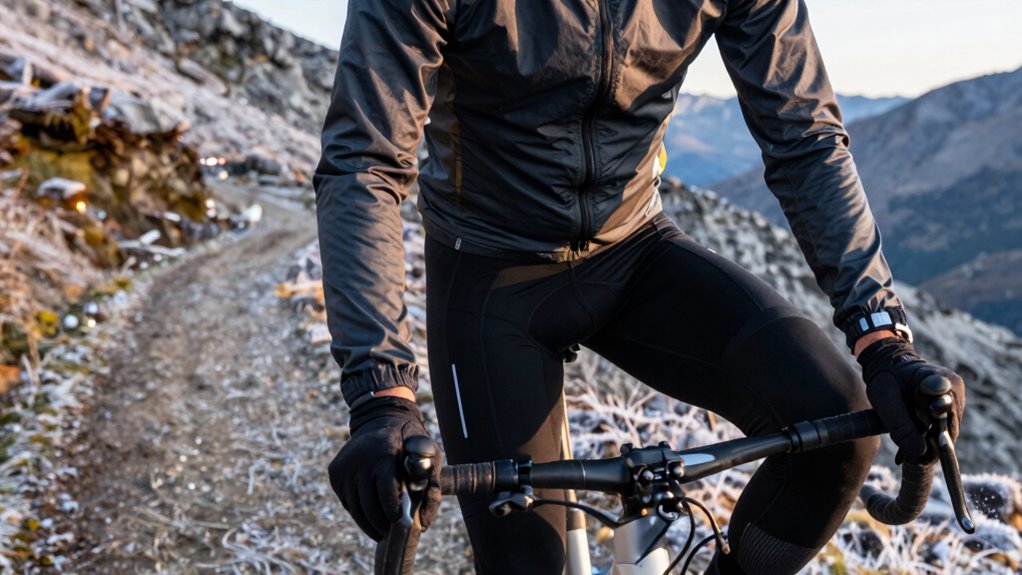

To avoid overheating on cold rides, start with a moisture-wicking base layer to keep sweat away and choose a snug fit. Add a breathable insulating layer, like fleece or a lightweight down jacket, that traps heat without bulk. Finish with a windproof, waterproof outer shell that has adjustable vents. Use zippers and unzip to release heat when you start feeling too warm, and layer up again if you get cold. Keep exploring for more tips on staying comfortable.
Open a free Amazon Business account
Business pricing, bulk buying and tax-exempt orders.
As an affiliate, we earn on qualifying purchases.
Key Takeaways
- Use moisture-wicking base layers to draw sweat away and regulate temperature effectively.
- Incorporate breathable insulating layers like fleece or lightweight down for warmth without bulk.
- Wear a windproof, waterproof outer shell with adjustable vents to control heat and moisture escape.
- Manage layers dynamically by unzipping vents or removing layers if overheating during the ride.
- Prioritize breathable, moisture-wicking fabrics in all layers to prevent overheating and maintain comfort.
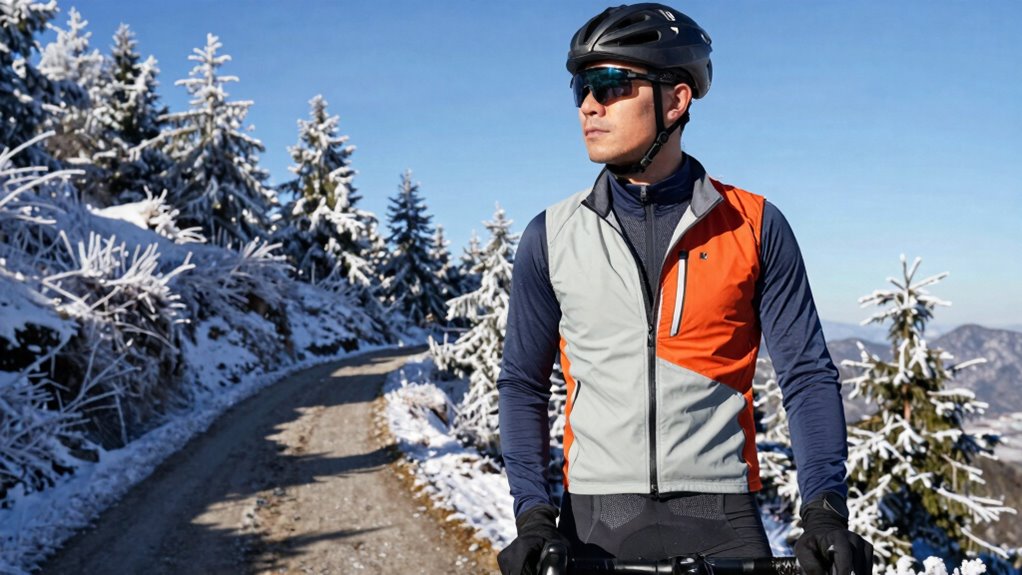
When riding in cold weather, layering effectively can keep you warm without causing you to overheat. The key is choosing the right layer materials and focusing on moisture control. Your base layer should be made of moisture-wicking fabrics like merino wool or synthetic materials designed to draw sweat away from your skin. This helps regulate your temperature and prevents you from feeling clammy or chilled. Avoid cotton, which absorbs moisture and can leave you feeling damp and cold as you ride. Your goal is to stay dry, so the base layer should fit snugly but not restrict movement.
Choose moisture-wicking base layers like merino wool or synthetic fabrics to stay dry and regulate your temperature.
Over the base layer, you’ll want an insulating layer that traps heat but still allows moisture to escape. Fleece or lightweight down jackets work well for this purpose. These materials offer excellent warmth without adding bulk, making sure you don’t overheat during exertion. It’s important that this mid-layer remains breathable, so moisture doesn’t build up inside. If you’re riding at a steady but moderate pace, you might find that a thin, insulated vest is enough. If it’s particularly cold, consider adding a thicker layer or a thermal jersey. Incorporating breathable fabrics in your mid-layer can enhance moisture management and comfort. Additionally, choosing layers with moisture-wicking properties can help maintain dry comfort during variable efforts. Proper layer selection can also prevent overheating, which is essential for maintaining endurance and comfort.
Your outer layer, or shell, should be windproof and waterproof to protect you from the elements. Look for jackets with adjustable vents, which allow you to release excess heat when you start to get warm. Ventilation is vital for moisture control; it helps you maintain a comfortable body temperature by letting sweat evaporate and air circulate. The shell should be durable yet breathable, so you don’t trap heat and moisture inside. When selecting these layers, pay attention to fit: too tight and it restricts movement and airflow; too loose and it might catch the wind or trap heat and moisture. Using layer materials that are designed for moisture management can make a significant difference in comfort during your ride.
Throughout your ride, it’s essential to be flexible with your layers. If you notice yourself sweating heavily, unzip vents or remove a layer if possible. Conversely, if you begin to feel cold, add a layer or tighten your outer shell. The right combination of layer materials and moisture management techniques ensures your body temperature stays steady, preventing you from overheating or getting chilled. With a strategic layering system, you’ll enjoy your cold rides comfortably and efficiently, no matter how low the temperature drops.
moisture-wicking base layer for cycling
As an affiliate, we earn on qualifying purchases.
As an affiliate, we earn on qualifying purchases.
Frequently Asked Questions
What Materials Are Best for Cycling Layers in Cold Weather?
You should choose insulation materials like wool or synthetic fibers such as polyester for warmth, and opt for breathable fabrics like merino wool or technical polyester for moisture management. These materials help keep you warm without overheating, allowing sweat to escape and maintain comfort. Layering with a mix of insulating and breathable fabrics guarantees you stay warm during cold rides while avoiding excess sweat buildup.
How Do I Prevent Sweating While Cycling in Cold Conditions?
To prevent sweating during cold rides, start with a moisture-wicking base layer that pulls sweat away from your skin. Choose windproof outerwear to block cold winds without trapping heat. Adjust your layers as you ride—vent or unzip when you feel warm, and add layers if you get cold. Keep an eye on your body’s signals, and aim for a balance that keeps you warm but not sweaty.
What’s the Ideal Number of Layers for Extreme Cold?
They say, “Better safe than sorry,” and in extreme cold, it’s best to wear three layers. Start with a moisture-wicking base layer to keep sweat away, add an insulation layer for warmth, and top with a windproof shell if needed. This combination traps heat without overheating. Adjust layers as you ride, and always prioritize movement and comfort to stay warm without sweating.
How Should I Adjust Layers During a Long Ride?
During a long ride, you should adjust your layers by removing or adding breathable fabrics as needed. Don’t believe layering myths that you must stay fully insulated; instead, focus on ventilation. If you start to sweat, unzip or strip a layer to prevent overheating, then add it back when you cool down. Keep a lightweight, breathable outer layer handy, so you can adapt quickly to changing conditions.
Can Layering Improve Cycling Performance in Winter?
Ever wondered if layering can boost your winter cycling performance? It definitely can when combined with good bike maintenance and smart nutrition strategies. Proper layers keep you warm without overheating, so you stay energized longer. Staying dry and comfortable helps maintain focus and power. Plus, well-maintained bikes reduce mechanical issues in cold weather. By balancing layers, nutrition, and bike care, you’ll ride stronger and more efficiently even in winter’s chill.
breathable lightweight down jacket
As an affiliate, we earn on qualifying purchases.
As an affiliate, we earn on qualifying purchases.
Conclusion
By mastering the art of layering, you become a cozy fortress on wheels, shielding yourself from the biting cold while staying comfortable. Think of each layer as a brushstroke in your winter masterpiece, balancing warmth and breathability. With this approach, you’ll glide through cold rides like a warm breeze breaking through frosty air—confident, cool, and perfectly prepared. Embrace the layers, and let your ride be a symphony of warmth and freedom on winter’s stage.
windproof waterproof cycling jacket with vents
As an affiliate, we earn on qualifying purchases.
As an affiliate, we earn on qualifying purchases.
As an affiliate, we earn on qualifying purchases.
Flea & tick season Picks
flea and tick prevention
As an affiliate, we earn on qualifying purchases.