
TL;DR

Get bike and ride gear delivered free with Prime
- Fast, free delivery on millions of items
- Prime Video, Amazon Music and more included
- Member-only deals all year
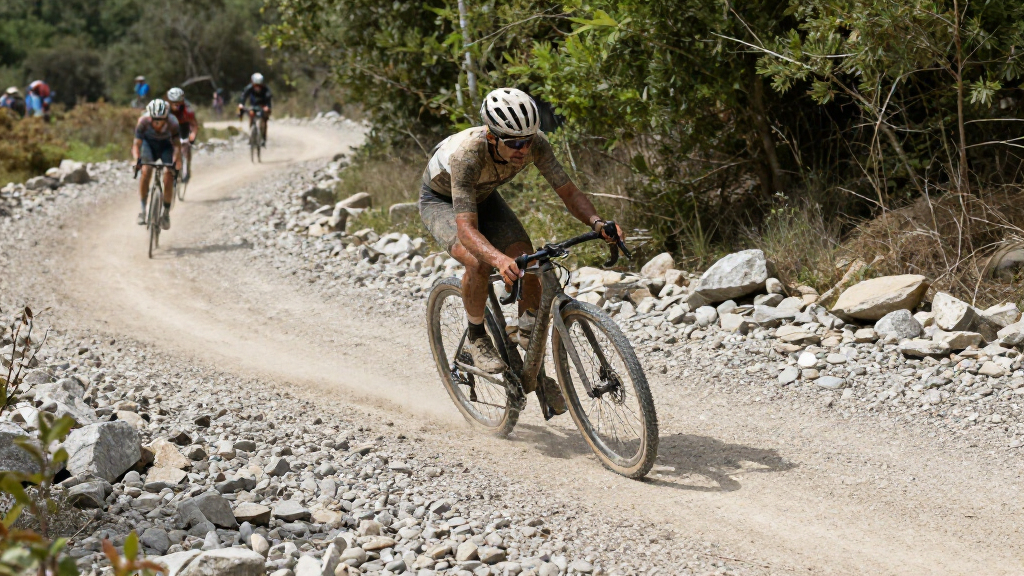
The UCI Gravel World Championships are being held this weekend in Nannup, Western Australia, on trails covered with loose, pea-sized stones. A Cycling Weekly reporter who has ridden the surface and racers Maddy Nutt and Jenson Young say it offers limited grip, particularly when braking, cornering or climbing out of the saddle. How that terrain will affect the elite races remains to be seen.
The UCI Gravel World Championships are taking place this weekend in Nannup, Western Australia, where the course’s loose, pea-sized gravel could make handling a major challenge for riders. In a pre-race report, Cycling Weekly’s contributor, drawing on previous experience riding the surface, said it can be difficult to brake, corner and climb without the rear wheel slipping.
The report describes the course as being covered with fine, rounded stones that behave differently from chunkier gravel. The writer said that even mountain-bike tyres did not prevent sliding on the surface during past rides in Western Australia. Standing to pedal could cause the rear wheel to spin, while braking could lead to an uncontrolled skid. Those observations come from the reporter’s riding experience, not from a formal course analysis or race result.
Two riders who had reconnoitred the route also described the surface as technically demanding. Maddy Nutt, a former British gravel champion and Traka 560 winner, said the course was more technical than she expected and that riders needed to reduce speed before entering sections where braking on the loose gravel would be difficult. She said she was concerned about competitors who had not inspected the course in advance.
Jenson Young, the reigning British gravel champion, told Cycling Weekly that the material looked as if it would provide grip but did not. He said he had chosen lighter wheels and a mountain-bike tyre between slick and more aggressive tread types, seeking corner grip without unnecessary puncture protection. Young also said the surface could be fast rolling in some places, while requiring riders to keep weight on the rear wheel in loose corners.
How Loose Gravel Could Shape Racing
The surface may put a premium on bike handling and speed control, not just fitness. If riders cannot safely brake once they reach a loose section, they may need to adjust their pace and line before entering it. That could affect cornering, overtaking and how confidently competitors approach climbs and descents.
Young suggested the conditions might not favour riders known for climbing, and speculated that heavier riders could perform well. Those are his assessments, not established outcomes. The races will show whether the gravel changes the expected balance between climbing strength, traction and technical skill, and whether course reconnaissance or equipment choices make a measurable difference.
Popular right now

Samsung 75-Inch The Frame Pro 4K Neo QLED Smart TV (QN75LS03FW)

KitchenAid Artisan 5-Quart Tilt-Head Stand Mixer, Blue Velvet

Dreame X60 Max Ultra Complete Robot Vacuum and Mop
As an affiliate, we earn on qualifying purchases.
Nannup’s Distinctive Course Surface
Nannup is a small town in Western Australia. Cycling Weekly reported that its population of 538 would be joined by riders, teams, mechanics and fans for the championships. The article also noted the area’s remoteness from Perth, a practical consideration for participants travelling to the event.
The report’s writer said they had lived in Australia for more than a decade and raced the four-day Cape-to-Cape mountain-bike event, where they first encountered pea gravel. The writer described later community-built singletrack in the region as incorporating the same surface. Organisers and locals, according to the report, have presented the world championship course as a race on “real gravel”; that description is promotional framing, while the reported surface and riders’ observations provide the specific terrain details.
“The pea gravel feels a bit sketchy, and I’m glad I’ve practised riding on it a bit as you can’t brake on the surface.”
— Maddy Nutt, speaking to Cycling Weekly
Race Effects Remain Unproven
The report was published before the elite races, so no race outcome or confirmed advantage for a particular rider or equipment setup is established in the material provided. It is also unclear how much of the course uses the loose surface, how conditions may vary along the route, and how the field as a whole will respond.
Young’s view that heavier riders might perform well and the reporter’s expectation that leading riders could struggle are predictions, not results. The source does not provide measured traction data, comparative equipment testing or official course specifications that would confirm those assessments.
The Championships Put It to the Test
The next evidence will come from the elite races this weekend in Nannup. Riders’ decisions on tyre choice, wheel setup, pacing and course lines will show how they handle the gravel in competition. Race results and competitors’ post-race accounts should clarify whether the surface significantly affected tactics or outcomes; the pre-race observations alone cannot establish that.
Key Questions
Where are the UCI Gravel World Championships being held?
The report says the championships are taking place in Nannup, Western Australia.
What is pea gravel?
In the report, pea gravel refers to small, rounded stones covering parts of the local trails. Riders interviewed by Cycling Weekly said it provided less grip than its appearance suggested.
Why could the course be difficult?
The reporter and riders said the loose surface can make braking, cornering and climbing difficult because tyres may slide, especially when a rider stands to pedal or tries to slow down on the gravel.
Have the gravel conditions been shown to favour particular riders?
No. Young speculated that heavier riders might do well, but that is a pre-race assessment. The supplied report does not include race results or evidence confirming an advantage.
Source: rss