
TL;DR

Get bike and ride gear delivered free with Prime
- Fast, free delivery on millions of items
- Prime Video, Amazon Music and more included
- Member-only deals all year
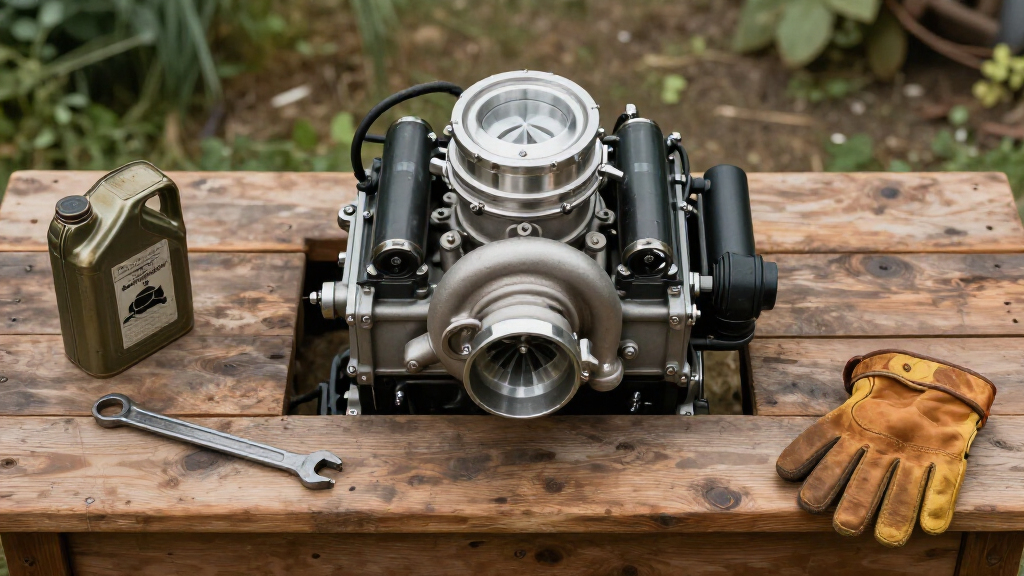
An enthusiast has installed a turbocharger on a 100-year-old Ford Model T engine. The development has sparked curiosity about whether the vintage engine can handle forced induction, though results are still pending. This experiment highlights ongoing interest in vintage car modifications.
An enthusiast has installed a turbocharger on a 100-year-old Ford Model T engine, aiming to see if such a vintage powerplant can handle forced induction. The experiment has attracted attention from car collectors and vintage enthusiasts, as it challenges assumptions about the durability and adaptability of early automotive technology.
The modification involves attaching a modern turbocharger to the original Model T engine, which was designed for simplicity and low power. The owner has begun testing the engine under this new setup, but it is not yet clear whether it will operate reliably or sustain damage. Experts in vintage engines caution that the Model T’s design was not intended for forced induction, and adding a turbo could lead to mechanical failure or safety issues.
Sources familiar with engine modifications say that while turbocharging is common in modern vehicles, applying it to a century-old engine is highly experimental. The original Model T engine was a 2.9-liter inline four producing around 20 horsepower, with a simple design lacking modern cooling or lubrication systems needed for forced induction. The owner has not yet released detailed results or performance data from the testing phase.
Automotive engineers warn that the engine’s components, such as pistons and valves, may not withstand the increased pressure and temperature generated by a turbocharger. Conversely, some vintage car enthusiasts are intrigued by the challenge and potential for increased performance, provided the engine can handle the modifications without catastrophic failure.
Why This Vintage Turbo Experiment Matters
This experiment is significant because it tests the limits of vintage engine durability and challenges assumptions about classic car restoration and modification. If successful, it could open new avenues for vintage car enthusiasts seeking to boost performance while preserving original aesthetics. Conversely, if the engine fails, it underscores the importance of understanding mechanical limits before attempting such modifications on historic vehicles. The development also reflects a broader trend of blending old and new automotive technologies, sparking debate within the collector community about authenticity versus innovation.
Popular right now

Ninja DualZone Smart Air Fryer, 10 Qt, 6-in-1, DZ950

LG 85-inch QNED75B Mini LED Smart TV Bundle with HDMI and CPS Protection Plan

Hisense 85 U6 Pro Series Mini-LED ULED 4K UHD HDR Gaming AI Smart Fire TV (85U6SF Pro)
As an affiliate, we earn on qualifying purchases.
Historical and Technical Background of the Model T Engine
The Ford Model T, produced from 1908 to 1927, revolutionized automobile manufacturing with its affordability and mass production. Its engine was a simple, durable 2.9-liter inline four, producing approximately 20 horsepower—suitable for basic transportation but not designed for high performance or forced induction. Over the decades, many enthusiasts have restored and modified Model Ts, but turbocharging has rarely been attempted due to concerns about engine integrity and safety.
Recent years have seen a surge in interest in vintage car modifications, driven by a desire to enhance performance or simply experiment with aging technology. The current turbo upgrade is among the first documented attempts to forcibly boost a Model T engine, making it a noteworthy case study in vintage automotive experimentation.
While the modification is unconfirmed by official automotive experts, it aligns with a wider trend of pushing the boundaries of classic car capabilities, often sparking controversy over preservation versus innovation.
Unconfirmed Outcomes and Mechanical Risks
It is not yet clear whether the turbocharged Model T engine will operate reliably or sustain damage during testing. No official performance data or long-term results have been released, and experts warn that the engine components may not withstand the increased pressure and heat. The safety and legality of such modifications are also still unverified.
Upcoming Testing Results and Expert Evaluation
The owner plans to continue testing the engine under various conditions to assess performance and durability. Results from these tests will determine if the turbo setup can be safely used or if it causes damage. Automotive experts and vintage car clubs are expected to scrutinize the outcomes, which could influence future modifications of historic vehicles.
Key Questions
Can a 100-year-old engine handle a turbocharger?
It is uncertain. Experts warn that the original Model T engine was not designed for forced induction, and attempting to turbocharge it could cause mechanical failure or safety issues.
What are the risks of turbocharging a vintage engine?
The primary risks include engine damage from excessive pressure and heat, cooling system failures, and potential safety hazards. The engine’s components may not be designed to withstand these forces.
Why would someone attempt this modification?
Enthusiasts often seek to push the boundaries of vintage technology for performance gains, novelty, or testing the limits of old machinery. It also sparks interest and discussion within the collector community.
Has this been done before on similar engines?
No widely documented cases exist of turbocharging a Model T engine. This appears to be an experimental and isolated case at this point.
What could be the future of vintage car modifications like this?
If successful, it might inspire more innovative modifications, but safety and preservation concerns will likely limit widespread adoption. Official guidelines and expert evaluations will influence future practices.
Source: rss