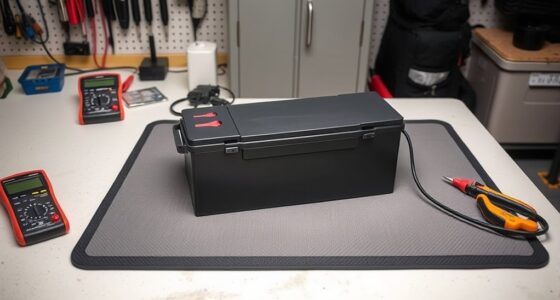
To guarantee your motor connectors and wiring stay protected and reliable, you should regularly inspect for corrosion, wear, and damage. Use waterproof connectors or seal connection points with appropriate compounds and check seals and insulation often. Proper routing of wires minimizes stress and exposure to moisture or heat sources. Choosing corrosion-resistant materials and maintaining tight, clean connections can prevent failures. Keep an eye on these key steps to help your motor operate smoothly—there’s more to discover that can help extend its lifespan.
Key Takeaways
- Use waterproof connectors with appropriate IP ratings and sealing compounds to prevent moisture ingress.
- Regularly inspect connectors and wiring for signs of corrosion, wear, or damage.
- Ensure proper wiring routing to avoid exposure to water, heat sources, and physical damage.
- Apply waterproof coatings or sealants at connection points for additional moisture protection.
- Replace or reseal compromised connectors immediately to maintain electrical integrity and prevent failures.
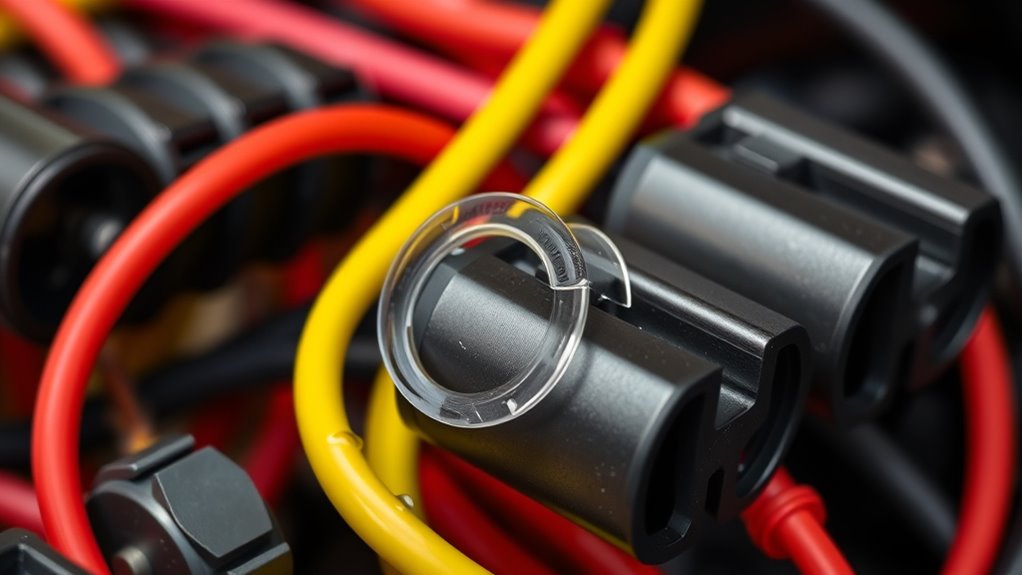
Motor connectors and wiring are indispensable components that guarantee your motor runs smoothly and reliably. Proper wiring ensures that electrical signals and power are transmitted efficiently, minimizing the risk of malfunctions or failures. When it comes to waterproofing and inspection, paying close attention to corrosion prevention and wiring compatibility becomes critical. Corrosion can quickly degrade connections, leading to poor electrical conductivity and eventual motor failure. To prevent this, you should select connectors and wiring materials designed to withstand harsh environments, especially if your application involves exposure to moisture or chemicals. Using corrosion-resistant coatings or sealed connectors helps protect your wiring from rust and corrosion, extending the lifespan of your motor system.
Choosing corrosion-resistant connectors extends your motor’s lifespan and ensures reliable performance in harsh environments.
Wiring compatibility plays a significant role in maintaining system integrity. You need to ensure that all connectors and wires match in terms of gauge, insulation type, and rated voltage. Incompatible wiring can cause overheating, short circuits, or inconsistent performance. When inspecting your wiring, check for signs of wear, such as frayed insulation, corrosion at connection points, or discoloration. Loose or damaged connections can introduce electrical resistance, which not only hampers performance but can also generate heat, increasing the risk of further damage. Regular inspections help catch these issues early, preventing costly repairs down the line.
Waterproofing your motor wiring involves more than just choosing the right connectors; it also requires proper sealing techniques. Using waterproof connectors or applying sealing compounds around connection points keeps moisture out, safeguarding your wiring from water ingress. When installing connectors, ensure they are rated for outdoor or industrial use, with appropriate IP (Ingress Protection) ratings that specify their resistance levels against dust and water. Additionally, when inspecting your wiring, look for any compromised seals or damaged insulation. If you notice moisture inside connector housings or corrosion buildup, it’s crucial to replace or reseal those components immediately.
Another essential aspect of waterproofing and inspection is maintaining proper routing of your wiring. Avoid placing wires near heat sources or in areas prone to physical damage. Proper routing also minimizes strain on connections, reducing the chance of disconnections or breakage over time. During inspections, check that all wiring pathways are clear and that connectors are securely fastened. Tight connections prevent moisture from seeping in and reduce electrical resistance, ensuring your motor operates at peak efficiency. Incorporating corrosion-resistant materials into your wiring system can further enhance durability in challenging environments.
Frequently Asked Questions
What Are the Best Practices for Preventing Corrosion in Motor Connectors?
To prevent corrosion in motor connectors, you should regularly perform connector maintenance, including cleaning and inspecting for signs of wear. Apply dielectric grease or corrosion inhibitors to protect against moisture and environmental elements. make certain waterproofing measures are intact and consider sealing connectors with appropriate waterproof boots or enclosures. Consistent inspection and timely maintenance are key to corrosion prevention, helping your motor connectors stay reliable and extend their lifespan.
How Can I Identify a Faulty Waterproof Wiring Connection?
You can identify a faulty waterproof wiring connection by inspecting for signs of connector corrosion or wiring degradation. Look for discoloration, rust, or corrosion around the connectors, which indicate moisture intrusion. Check for loose or broken wires, and verify all seals are intact. If you notice any corrosion or damaged insulation, it’s a clear sign that the connection isn’t waterproof anymore and needs repair or replacement to prevent further issues.
Are There Specific Tools Required for Inspecting Motor Wiring?
You can examine motor wiring effectively with basic tools like a multimeter, inspection mirror, and flashlight. While specialized connector types may require specific tools like crimping or pin extraction tools, general inspection techniques involve checking for corrosion, loose connections, and damaged insulation. Trusting these tools helps you uncover hidden issues, proving that thorough inspection isn’t just about tools but about understanding how to use them to ensure waterproof and reliable wiring connections.
How Often Should Waterproof Connectors Be Tested or Replaced?
You should test and inspect waterproof connectors at least once a year to guarantee proper connector maintenance. Regular checks help identify any signs of wear, corrosion, or compromised waterproofing materials. Replace connectors if you notice damage or loss of waterproofing effectiveness. Using high-quality waterproofing materials during maintenance enhances durability. Consistent inspection and timely replacement prevent water ingress, protecting your motor wiring from damage and ensuring reliable operation.
Can DIY Waterproofing Methods Damage Motor Wiring?
Did you know improper DIY waterproofing can cause up to 30% of motor failures? Yes, it can damage your wiring. When you use makeshift sealing techniques, you risk compromising electrical insulation, leading to shorts or corrosion. Poorly applied waterproofing might trap moisture or damage insulation, making your motor unsafe and unreliable. Always follow proper sealing methods or consult professionals to guarantee your wiring stays protected and functional.
Conclusion
Think of your motor connectors and wiring as the heartbeat of your machine—vital, delicate, and resilient. Waterproofing shields them like a fortress against life’s storms, while regular inspections act as the vigilant guardian, ensuring their strength endures. Treat these components with care, for they symbolize the trust you place in your equipment’s longevity. When you nurture this silent symphony, you’re not just maintaining parts—you’re safeguarding the spirit that powers your journey forward.