To avoid getting stuck during your commute, carry a compact crash kit with essential items like a puncture repair kit, spare tubes, and a portable pump for quick tire fixes. Add reflective gear and a high-visibility vest to stay visible and a small flashlight for low-light situations. Keep a phone charger and a basic first aid kit nearby. Want to know more about building the perfect commuter crash kit? Keep going to discover all the key essentials.

Get bike and ride gear delivered free with Prime
- Fast, free delivery on millions of items
- Prime Video, Amazon Music and more included
- Member-only deals all year
Key Takeaways
- Carry a puncture repair kit, spare tubes, and a portable pump to fix flats quickly and stay mobile.
- Include reflective gear and high-visibility accessories to ensure visibility in low-light conditions.
- Pack basic first aid supplies and a multi-tool for minor injuries and roadside repairs.
- Bring a fully charged phone, power bank, and emergency contact list for communication and assistance.
- Use safety best practices, wear protective gear, and stay alert to prevent emergencies before they happen.

Every commuter should be prepared for unexpected incidents on the road, and a well-stocked crash kit is essential for safety and peace of mind. Whether you’re cycling to work or driving through busy streets, having the right tools on hand can make all the difference if things go wrong. Bike safety isn’t just about wearing a helmet; it’s about being ready for emergencies that might arise unexpectedly. A crash kit tailored for your mode of transportation ensures you’re not caught off guard, helping you stay calm and effective in stressful situations.
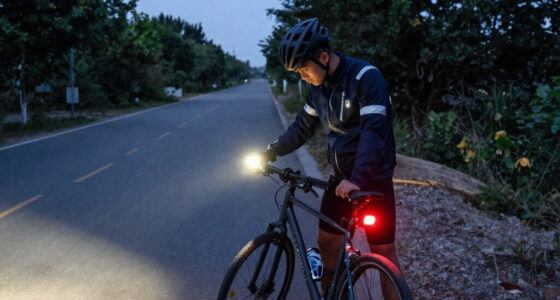
When it comes to emergency preparedness, your crash kit should include items that address common issues you might face. For cyclists, this means carrying essentials like a puncture repair kit, spare tubes, and a portable pump. These items allow you to fix flats quickly, minimizing downtime and avoiding the need to walk your bike home. Reflective gear or high-visibility accessories should also be in your kit. These improve your visibility to other drivers, especially in low-light conditions, enhancing your safety on the road. Additionally, understanding bike safety best practices can help prevent accidents before they happen.
For drivers, your crash kit should contain basic first aid supplies such as bandages, antiseptic wipes, and pain relievers. These help manage minor injuries until professional help arrives. A small flashlight, multi-tool, and reflective warning triangles are also crucial. They assist in signaling to other drivers that you’re stationary or experiencing trouble, reducing the risk of additional accidents. Including a high-visibility vest ensures you can be seen clearly during roadside emergencies, further supporting your emergency preparedness.
Beyond physical tools, consider carrying a phone charger or power bank in your crash kit. Staying connected is essential for calling emergency services or roadside assistance if needed. An emergency contact list, written down or stored digitally, should also be part of your kit, so you can quickly reach loved ones or emergency services in stressful moments.
Your crash kit should be compact enough to carry comfortably, yet thorough enough to cover various scenarios. Regularly check and replenish supplies to make sure everything remains in working order. Remember, the goal is to be ready for anything—whether it’s a flat tire, a minor collision, or a sudden health issue. By prioritizing bike safety and emergency preparedness, you’ll be more confident on your daily commute. You won’t just be prepared—you’ll be proactive, ensuring that if an incident occurs, you’re equipped to handle it swiftly and safely, preventing minor issues from becoming major setbacks.
Popular right now

Sony WH-1000XM5 Premium Noise Cancelling Wireless Headphones – Midnight Blue

Hisense E6SR Series 55-Inch 4K UHD Hi-QLED Roku Smart TV

eufy E15 Gen 2 Wire-Free Robotic Lawn Mower
As an affiliate, we earn on qualifying purchases.
Frequently Asked Questions
How Often Should I Update My Crash Kit?
You should update your crash kit every six months or after any vehicle maintenance, like repairs or replacements. Regularly check that all emergency contact information is current, and replace expired or used items. This guarantees you’re prepared for emergencies, reduces stress during unexpected incidents, and keeps your kit reliable. Staying consistent with updates helps you avoid being caught unprepared and guarantees your crash kit remains effective whenever you need it.
Is a First Aid Kit Necessary in My Crash Kit?
Yes, a first aid kit is essential in your crash kit. You should include first aid essentials like bandages, antiseptic wipes, and pain relievers, along with other emergency medical supplies. Having these items ready guarantees you can respond quickly to minor injuries or assist others until professional help arrives. Don’t forget to check and update your first aid supplies regularly to keep everything in good condition and ready when needed.
What’s the Best Type of Flashlight to Carry?
You want a flashlight that’s tough enough to handle surprises and compact enough to fit in your kit. Look for one with high durability—shockproof, water-resistant, and with a sturdy build. Opt for compact flashlight options that don’t sacrifice brightness or battery life. The right choice keeps you prepared when darkness falls unexpectedly, ensuring you’re never left stranded. Stay alert, stay safe, and let the right flashlight be your guiding light.
Can I Include Food and Water in My Kit?
Yes, you should include food and water in your kit. Emergency snacks keep your energy up during unexpected delays, while hydration essentials guarantee you stay hydrated if you’re stranded longer than anticipated. Pack lightweight, non-perishable snacks like granola bars or trail mix, and carry a reusable water bottle or water purification tablets. This way, you’ll be prepared to stay safe and comfortable until help arrives.
How Do I Store My Crash Kit for Quick Access?
You should store your crash kit in accessible locations like your glove compartment or under your seat for quick access. Use clear, labeled containers or compartments to keep essentials organized and easily identifiable. Implement accessibility solutions like hooks or dedicated storage bins to guarantee your kit is ready in emergencies. Regularly check and refresh your supplies to maintain readiness, so you can grab your kit swiftly when needed.
Conclusion
Think of your commuter crash kit as your trusty lighthouse in a storm—guiding you safely through unexpected setbacks. Packing the right essentials guarantees you’re prepared for life’s unpredictable waves, preventing minor mishaps from turning into major obstacles. With your kit in hand, you become the captain of your own journey, steering confidently no matter what surprises arise. Stay prepared, stay safe, and let your kit be the beacon that keeps you afloat amidst the chaos.