When choosing a helmet for both e‑bike and e‑scooter use, focus on safety certifications like CPSC, ASTM, or EN 1078 to guarantee impact protection. Look for helmets with impact-absorbing foam, reinforced shells, and extended coverage around the back of your head. Make sure it fits snugly without discomfort, using adjustable straps or dial-fit systems for a perfect fit. Prioritizing comfort and proper fit boosts safety and encourages consistent wear—if you keep exploring, you’ll find more tips to make the best choice.

Get bike and ride gear delivered free with Prime
- Fast, free delivery on millions of items
- Prime Video, Amazon Music and more included
- Member-only deals all year
Key Takeaways
- Ensure the helmet meets safety standards like CPSC, ASTM, or EN 1078 for impact protection.
- Choose a helmet with impact-absorbing foam and reinforced shells for enhanced safety.
- Measure head circumference accurately and select a helmet that fits snugly without movement.
- Opt for adjustable straps and comfort padding to ensure a secure, comfortable fit during prolonged use.
- Prioritize extended coverage and impact-resistant materials suitable for both e-bike and e-scooter rides.
Are you unsure how to pick the right helmet for your needs? Finding the perfect helmet for both e‑bike and e‑scooter use involves understanding a few key factors, especially helmet safety and helmet fit. These elements are essential because they directly impact your protection and comfort while riding. A helmet that doesn’t fit well or lacks proper safety features can compromise your safety in a fall or collision, so taking the time to choose wisely is necessary.
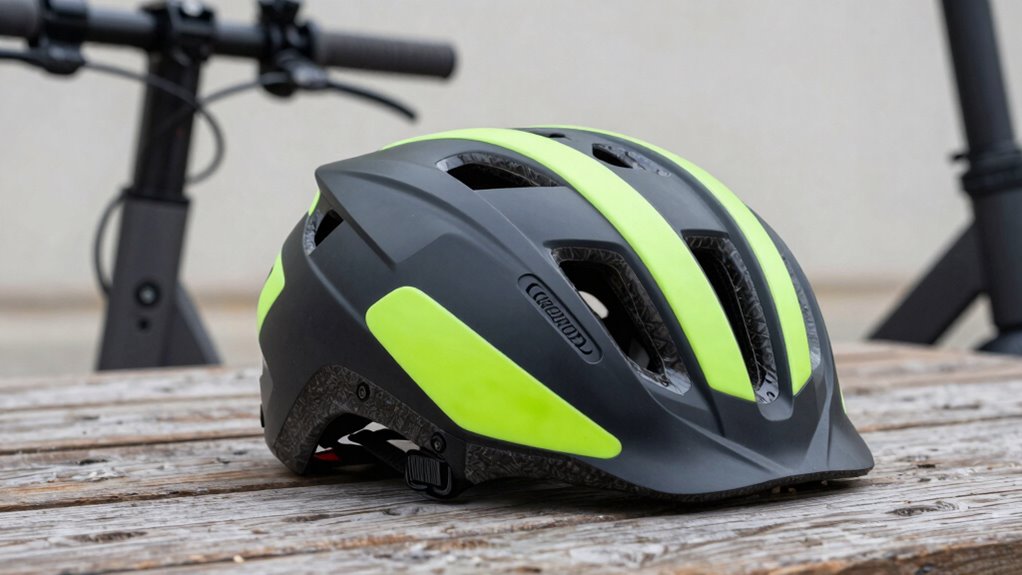
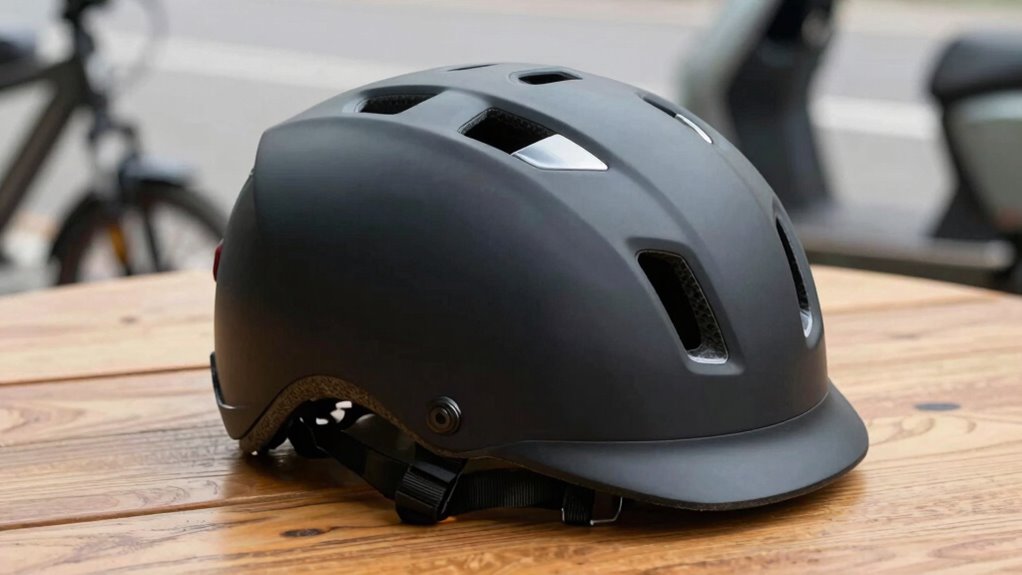
First, prioritize helmet safety. Look for helmets that meet certified safety standards like CPSC, ASTM, or EN 1078. These certifications indicate the helmet has undergone rigorous testing to absorb impacts and protect your head effectively. Don’t just rely on the appearance or brand reputation; check for these labels to guarantee your helmet provides the right level of protection. Also, consider additional safety features such as reinforced shells, impact-absorbing foam, and extended coverage around the back of your head. Some helmets come with added ventilation for breathability, but make sure these features don’t compromise safety. Understanding helmet safety standards can help ensure you select a helmet that offers reliable protection. Additionally, choosing a helmet with impact-absorbing materials enhances your safety further. A well-designed helmet should also incorporate reinforced shells to withstand impacts better.
Next, focus on helmet fit. An ill-fitting helmet won’t provide adequate protection and can be uncomfortable, leading you to wear it improperly or not at all. To find the right fit, measure your head circumference with a soft tape measure just above your eyebrows and around the widest part of your head. Use this measurement to select the helmet size according to the manufacturer’s sizing chart. When you try it on, it should sit snugly without feeling too tight, and it shouldn’t move excessively when you shake your head. The helmet’s chin strap should be secure but comfortable, allowing you to open your mouth easily without feeling constricted. Remember, a well-fitting helmet stays in place during sudden movements or impacts, offering maximum protection. A properly fitted helmet also helps maintain comfort during longer rides and encourages consistent use.
Comfort is also essential because you’re more likely to wear a helmet consistently if it’s comfortable. Look for adjustable straps and dial-fit systems that allow you to customize the fit. Check the padding inside for softness and breathability, especially if you plan to ride for long periods. It’s worth trying on different styles and brands to find one that suits your head shape and personal preferences.
E-bike and E-scooter helmet with safety certification
As an affiliate, we earn on qualifying purchases.
As an affiliate, we earn on qualifying purchases.
Frequently Asked Questions
Are There Specific Helmet Standards for E-Bikes and E-Scooters?
Yes, there are specific helmet standards for e-bikes and e-scooters. You should look for helmets that meet safety standards focusing on impact absorption and helmet material. These standards guarantee the helmet can withstand crashes and protect your head properly. Always check for certifications like CPSC or EN, which indicate the helmet has been tested for impact absorption and safety. Prioritize helmets that meet these standards for maximum protection.
How Often Should I Replace My Helmet?
You should replace your helmet every 5 to 7 years, or sooner if it shows signs of damage. Over time, helmet material can degrade, reducing its impact protection. Always guarantee a proper helmet fit, as a loose or tight helmet compromises safety. Regularly inspect for cracks, dents, or frayed straps. If you crash or hit something, replace your helmet immediately, even if it looks fine, to maintain peak protection.
Can a Helmet Be Used for Both Cycling and Skateboarding?
Yes, you can use the same helmet for both cycling and skateboarding, but it’s essential to verify it fits well and isn’t too heavy—over 500,000 head injuries involve poor helmet fit annually. A helmet with proper fit offers better protection, and lightweight designs reduce fatigue. Look for multi-sport helmets that meet safety standards for both activities, providing comfort and security whether you’re riding an e‑bike or skateboarding.
Do Helmets Need Special Vents for Electric Vehicle Use?
Helmets for electric vehicle use don’t need special vents, but ventilation requirements are important for comfort. You want good airflow to prevent overheating during longer rides. Focus on helmet aerodynamics too; well-designed vents improve airflow without sacrificing protection. Look for helmets with strategically placed vents that balance cooling and safety. This way, you stay comfortable and protected whether you’re riding an e-bike or e-scooter.
Is a More Expensive Helmet Safer Than a Cheaper One?
A more expensive helmet often offers better safety, but it’s not a guarantee. Think of it as a finely tailored suit—better fit and durability that cradles your head like a fortress. Higher-priced helmets typically use superior materials, enhancing durability and impact absorption. But don’t forget, a helmet’s true safety comes from a perfect fit and sturdy construction, no matter the price tag. So, prioritize comfort and quality over cost alone.
adjustable impact-absorbing helmet for e-bike and e-scooter
As an affiliate, we earn on qualifying purchases.
As an affiliate, we earn on qualifying purchases.
Conclusion
Choosing the right helmet is like finding a trusted partner—one that protects you without weighing you down. Make sure it fits snugly, meets safety standards, and feels comfortable for both e-bike and e-scooter rides. Remember, a good helmet is your shield against the unexpected, so don’t skimp on quality. By selecting wisely, you’ll ride with confidence, knowing your head is as secure as a fortress. Stay safe and enjoy every journey!
reinforced shell helmet for electric scooter and bike
As an affiliate, we earn on qualifying purchases.
As an affiliate, we earn on qualifying purchases.
helmet with extended rear coverage for e-scooter and e-bike
As an affiliate, we earn on qualifying purchases.
As an affiliate, we earn on qualifying purchases.
Halloween Picks
halloween
As an affiliate, we earn on qualifying purchases.