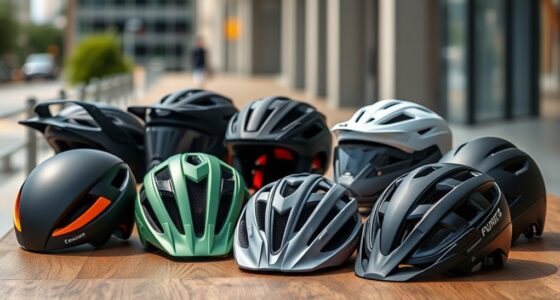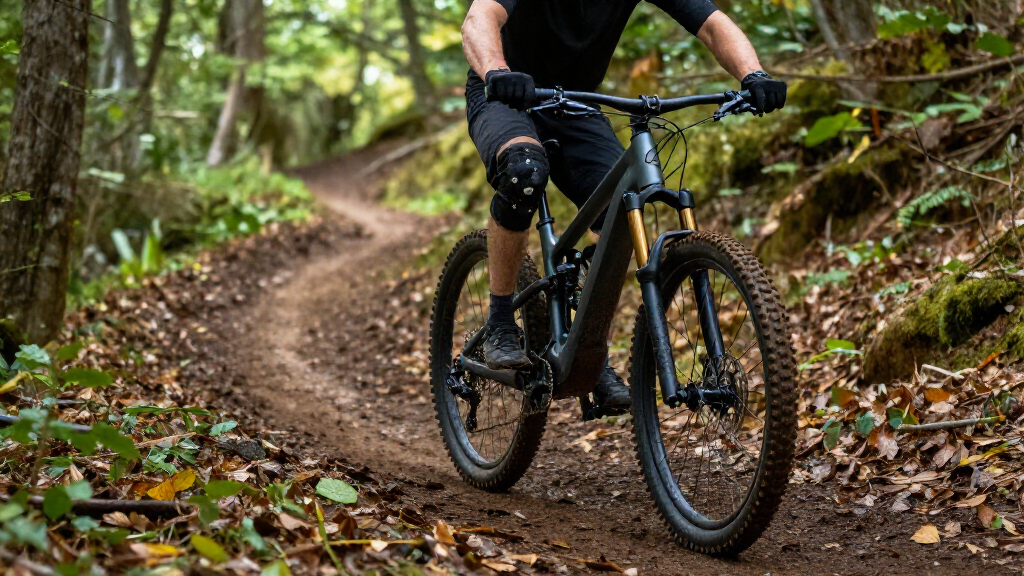

The best full-suspension electric mountain bikes pair traction and control with power that suits the terrain, but this lineup includes several fat-tire, high-output bikes rather than six conventional trail e-MTBs. I’d put the PUCKIPUPPY Labrador Pro first for buyers seeking a more trail-oriented full-suspension setup, while the eAhora Romeo Pro stands out for a long-range, fat-tire format and the FREESKY Swift Horse Ultra for riders drawn to its BAFANG motor and LG battery. The central tradeoff is between trail handling and the added bulk, power, or range emphasis of dual-motor and fat-tire designs. Fit, legal classification, service access, and verified component specifications matter as much as headline motor or battery figures. Read on for the ranking logic, buying advice, and the best match for different riding needs.

Get bike and ride gear delivered free with Prime
- Fast, free delivery on millions of items
- Prime Video, Amazon Music and more included
- Member-only deals all year
Key Takeaways
- The PUCKIPUPPY Labrador Pro ranks first for trail-focused buyers because its full-suspension mountain-bike positioning fits the category more directly than the lineup’s dual-motor fat-tire options.
- Several models emphasize power or battery capacity over familiar trail-bike priorities. Confirm weight, geometry, suspension details, and local e-bike classification before treating high wattage as an advantage.
- The eAhora Romeo Pro and Juliet Pro 2 serve different fat-tire priorities: Romeo highlights a large-capacity battery, while Juliet pairs a dual-motor claim with 20-inch tires and a large battery.
- The FREESKY Swift Horse Ultra’s BAFANG motor and LG battery are component-specific talking points, but buyers still need to verify support, replacement parts, and the bike’s trail suitability.
- Riythrust R3 and the 9000W dual-motor bike lean toward broad, high-power utility; their motor claims and fat tires make legal status, handling, and service support especially important checks.
| eAhora Romeo Pro Electric Fat-Tire Bike, 48V 60Ah |  | Best for Long-Ride Range Claims | Motor: 1200W rear motor; 1600W peak | Battery: Removable 48V 60Ah | Claimed range: 140–200 miles | VIEW LATEST PRICE | See Our Full Breakdown |
| eAhora Juliet Pro 2 Electric Bike, Dual 5400W Motors, 60V 70Ah Battery, 20-Inch Fat Tires |  | Best Compact-Wheel Power Pick | Motor: Dual brushless motors; 5400W peak listed | Battery: Removable 60V 70Ah lithium | Battery energy: 4200Wh | VIEW LATEST PRICE | See Our Full Breakdown |
| FREESKY Swift Horse Ultra Electric Bike, 4000W BAFANG Motor, 48V 35Ah LG Battery |  | Best for Heavy Payloads | Motor: 4000W BAFANG hub drive | Motor torque: Up to 150 Nm | Battery: Removable 48V 35Ah battery with LG cells | VIEW LATEST PRICE | See Our Full Breakdown |
| PUCKIPUPPY Labrador Pro Full-Suspension Electric Mountain Bike |  | Best for Pedal-Responsive Trail Riding | Motor: 750W brushless rear hub; 1350W peak | Torque: 85 Nm | Battery: Removable 48V 20Ah | VIEW LATEST PRICE | See Our Full Breakdown |
| Riythrust R3 Dual-Motor Fat-Tire Electric Bike, 58V 36Ah Battery, 26-Inch |  | Best for Multi-Mode Power | Motor: Dual 2000W motors; 9000W peak stated | Battery: Removable 58V 36Ah lithium | Claimed range: 40–100+ miles single-motor; 25–60+ miles dual-motor | VIEW LATEST PRICE | See Our Full Breakdown |
| 9000W Dual Motor Electric Bike with 26-Inch Fat Tires, Full Suspension, and Hydraulic Disc Brakes |  | Best for High-Power Fat-Tire Riding | Motor: Dual motor, up to 9000W peak output | Top speed: Up to 48 mph | Battery: Removable 36Ah lithium battery; voltage listed as both 58V and 52V | VIEW LATEST PRICE | See Our Full Breakdown |
| full suspension electric mountain bike | Motor | Battery | Tires | Brakes |
|---|---|---|---|---|
| eAhora Romeo Pro Electric Fat- | 1200W rear motor; 1600W peak | Removable 48V 60Ah | 26 × 4-inch CST fat tires | Dual four-piston hydraulic |
| eAhora Juliet Pro 2 Electric B | Dual brushless motors; 5400W peak listed | Removable 60V 70Ah lithium | CST 20 × 4.0-inch fat tires | Front and rear four-piston hydraulic disc brakes |
| FREESKY Swift Horse Ultra Elec | 4000W BAFANG hub drive | Removable 48V 35Ah battery with LG cells | 26 × 4 inches | Disc brakes |
| PUCKIPUPPY Labrador Pro Full-S | 750W brushless rear hub; 1350W peak | Removable 48V 20Ah | 26 × 4 inches | Dual hydraulic disc brakes, 3 × 180 mm |
| Riythrust R3 Dual-Motor Fat-Ti | Dual 2000W motors; 9000W peak stated | Removable 58V 36Ah lithium | 26 × 4.0-inch fat tires | Front and rear hydraulic disc brakes |
| 9000W Dual Motor Electric Bike | Dual motor, up to 9000W peak output | Removable 36Ah lithium battery; voltage listed as both 58V and 52V | 26 × 4.0-inch fat tires | — |
More Details on Our Top Picks
eAhora Romeo Pro Electric Fat-Tire Bike, 48V 60Ah
The Romeo Pro pairs a 60Ah removable battery with adjustable front and rear suspension, making it the range-focused pick among these fat-tire options. Its claimed 140–200-mile range is substantially higher than the PUCKIPUPPY Labrador Pro’s stated 40–80 miles, though real distance will depend on conditions and assist use. The 26 × 4-inch tires and hydraulic brakes suit mixed surfaces, while the 7-speed drivetrain keeps the setup relatively straightforward. This is still a powerful, fast e-bike rather than a conventional trail-oriented mountain bike, and the listing conflicts on maximum load: one section says 300 pounds, another 330. I’d choose it for battery capacity, not treat its range or 34 mph top-speed claim as a guaranteed riding outcome.
Pros:- Removable 48V 60Ah battery offers the largest stated capacity in this group.
- Adjustable front fork and dual rear shocks provide suspension at both ends.
- Four-piston hydraulic brakes are specified for controlled stopping.
- Fat tires suit varied surfaces such as gravel and sand.
Cons:- Maximum load is inconsistent in the product information: 300 or 330 pounds.
- The 140–200-mile range and 34 mph speed are claims that can vary with riding conditions.
- Its high-power, fat-tire format is less trail-specific than a conventional mountain e-bike.
Best for: Riders planning long mixed-surface trips who want a removable, high-capacity battery and can verify the bike’s load limit before buying.
Not ideal for: Riders seeking a conventional, trail-focused e-MTB or anyone who needs a clearly specified payload limit and dependable real-world range figures.
- Motor:1200W rear motor; 1600W peak
- Battery:Removable 48V 60Ah
- Claimed range:140–200 miles
- Top speed:34 mph
- Tires:26 × 4-inch CST fat tires
- Suspension:Adjustable 80–120 mm front fork and 50 mm dual rear shocks
- Brakes:Dual four-piston hydraulic
- Drivetrain:7-speed
Our verdict“Choose the Romeo Pro for its removable high-capacity battery and mixed-surface setup, but confirm the payload limit and plan around a range below the advertised maximum.”
eAhora Juliet Pro 2 Electric Bike, Dual 5400W Motors, 60V 70Ah Battery, 20-Inch Fat Tires
The Juliet Pro 2 stands apart from the 26-inch bikes here with 20 × 4-inch tires, dual motors, and a removable 60V 70Ah battery. That smaller wheel format makes it the lineup’s compact-wheel option, while its listed 5400W peak output and claimed speed up to 43 mph put it firmly in high-power territory. Four-link rear suspension and a lockable front fork add comfort over rough surfaces; four-piston hydraulic brakes provide more stopping hardware than the disc brakes specified for the FREESKY Swift Horse Ultra. The tradeoff is a long stated 8–10-hour charge and a carbon-steel frame. I’d also verify the exact motor, battery, and speed configuration with the seller, since the product details report conflicting configurations.
Pros:- Removable 60V 70Ah battery has a stated 4200Wh capacity.
- Front fork and four-link rear suspension provide suspension at both ends.
- Four-piston hydraulic disc brakes are specified front and rear.
- Includes lighting, turn signals, and app-connected color display.
Cons:- The product information conflicts on motor, battery, and speed configurations.
- Stated charging time is 8–10 hours.
- Carbon-steel frame and 20-inch wheels may not suit riders seeking a lighter, conventional trail-bike setup.
Best for: Experienced riders who want a high-power, smaller-wheel fat-tire bike with full suspension and a large removable battery.
Not ideal for: Buyers who prioritize a clearly documented configuration, shorter charging time, or a conventional 26-inch trail-bike feel.
- Motor:Dual brushless motors; 5400W peak listed
- Battery:Removable 60V 70Ah lithium
- Battery energy:4200Wh
- Claimed range:180–220 miles on throttle
- Claimed top speed:Up to 43 mph
- Tires:CST 20 × 4.0-inch fat tires
- Suspension:Adjustable, lockable front fork and four-link rear suspension
- Brakes:Front and rear four-piston hydraulic disc brakes
- Charging time:8–10 hours
Our verdict“Pick the Juliet Pro 2 if you specifically want its compact-wheel, dual-motor format, but verify the configuration before purchase.”
FREESKY Swift Horse Ultra Electric Bike, 4000W BAFANG Motor, 48V 35Ah LG Battery
The Swift Horse Ultra earns its place with a 400-pound payload capacity, the highest clearly stated limit among these five bikes. Its removable 48V 35Ah LG-cell battery and claimed pedal-assist range up to 140 miles give it a more trail-and-commute-oriented balance than the higher-output Juliet Pro 2, whose product details list dual motors and much higher claimed speed. The Swift Horse still has substantial power—4000W and up to 150 Nm are listed—plus a dual-crown hydraulic fork and rear air suspension. Those details suggest a more substantial suspension setup than the Romeo Pro’s stated 50 mm rear shocks. The compromises are a 38+ mph speed claim, unspecified bike weight and charging time, and disc brakes without further type or performance detail.
Pros:- 400-pound payload capacity is clearly stated.
- Removable 48V 35Ah battery uses LG cells and has a stated 1680Wh capacity.
- Dual-crown hydraulic fork and rear air suspension provide front and rear suspension.
- Up to 150 Nm of listed torque supports climbs and loaded riding.
Cons:- The listed 4000W motor and 38+ mph speed may be excessive for riders seeking moderate trail assistance.
- Bike weight and charging time are not specified.
- Brake details identify disc brakes but do not clarify hydraulic type or rotor specifications.
Best for: Larger riders or riders carrying gear who need a high stated payload and want full suspension with a removable battery.
Not ideal for: Riders who want detailed braking specifications, a clearly stated charging time, or a lower-power, slower trail-bike setup.
- Motor:4000W BAFANG hub drive
- Motor torque:Up to 150 Nm
- Battery:Removable 48V 35Ah battery with LG cells
- Battery energy:1680Wh
- Claimed pedal-assist range:Up to 140 miles
- Suspension:Dual-crown hydraulic fork and rear air suspension
- Tires:26 × 4 inches
- Payload capacity:400 lbs
- Brakes:Disc brakes
Our verdict“The Swift Horse Ultra is the clearest choice here for a high payload and removable battery, provided its speed and missing setup details suit your needs.”
PUCKIPUPPY Labrador Pro Full-Suspension Electric Mountain Bike
Unlike the higher-output Riythrust R3 and Juliet Pro 2, the Labrador Pro is built around a torque sensor that varies assistance with pedaling force. That makes it the more natural-feeling option on this list for riders who want support to follow their effort rather than simply choose a high-power setup. Its 750W rear hub motor, 85 Nm of torque, 8-speed drivetrain, and stated 28 mph pedal-assist speed form a more restrained package than the Romeo Pro’s 1200W motor. Front and transverse suspension, 26 × 4-inch tires, and hydraulic brakes fit varied terrain, while the removable 48V 20Ah battery keeps capacity well below the Romeo’s 60Ah unit. The stated 40–80-mile range is conditional, and the bike arrives 85% assembled, so allow time for setup.
Pros:- Torque sensor adjusts assistance to pedaling force for more responsive power delivery.
- Front and transverse suspension pair with 26 × 4-inch tires for varied terrain.
- Removable battery and hydraulic disc brakes support practical riding and stopping.
- Includes a rear rack, fender, lock, air pump, and other accessories.
Cons:- The 48V 20Ah battery is much smaller than the Romeo Pro’s 60Ah battery.
- Stated 40–80-mile range varies with terrain, weather, rider weight, and riding mode.
- Arrives 85% pre-assembled, requiring additional setup.
Best for: Riders who want a full-suspension fat-tire e-bike with pedal-responsive assistance for mixed trails, gravel, and everyday riding.
Not ideal for: Riders prioritizing very long claimed range, dual-motor output, or a bike that arrives nearly ready to ride.
- Motor:750W brushless rear hub; 1350W peak
- Torque:85 Nm
- Battery:Removable 48V 20Ah
- Stated range:40–80 miles, depending on conditions
- Speed:28 mph pedal assist; 20 mph throttle
- Tires:26 × 4 inches
- Drivetrain:8-speed
- Brakes:Dual hydraulic disc brakes, 3 × 180 mm
- Frame:6061 aluminum alloy
Our verdict“Choose the Labrador Pro for torque-sensor assistance and a more moderate motor setup, not for maximum battery capacity or dual-motor power.”
Riythrust R3 Dual-Motor Fat-Tire Electric Bike, 58V 36Ah Battery, 26-Inch
The R3 is the lineup’s multi-mode power pick: it offers single- and dual-motor operation, six riding modes, and five assist levels, giving riders more ways to tune how the bike delivers power than the simpler 7-speed Romeo Pro. Its 26 × 4-inch tires, front fork, rear shock, and hydraulic brakes make it suited to rougher mixed surfaces, while the aluminum frame has a stated 330-pound load limit. The tradeoff is a hefty 65-pound bike, which can be awkward to lift or store. I would also treat its performance figures cautiously: the listing conflicts on torque and battery energy, and its range differs sharply between single- and dual-motor use. Compared with the Labrador Pro, it favors selectable output over the Labrador’s torque-sensor approach.
Pros:- Single- and dual-motor modes let riders choose between different power setups.
- Front and rear suspension pair with 26 × 4-inch tires for mixed terrain.
- Removable, lockable battery includes battery-management protection.
- Hydraulic disc brakes and a stated 330-pound load limit support practical riding.
Cons:- At 65 pounds, it may be difficult to lift, carry, or store.
- The product details conflict on torque and battery energy.
- Claimed range varies widely by motor mode and should not be treated as a fixed distance.
Best for: Riders who want selectable single- or dual-motor operation, multiple assist settings, and fat tires for varied terrain.
Not ideal for: Riders who need a lighter bike to carry upstairs or want internally consistent battery, torque, and range specifications.
- Motor:Dual 2000W motors; 9000W peak stated
- Battery:Removable 58V 36Ah lithium
- Claimed range:40–100+ miles single-motor; 25–60+ miles dual-motor
- Maximum speed:45 mph
- Tires:26 × 4.0-inch fat tires
- Suspension:Front fork and rear shock
- Brakes:Front and rear hydraulic disc brakes
- Riding controls:6 riding modes, 5 assist levels, and 7 gears
- Weight and load:65 lbs; maximum load 330 lbs
Our verdict“Pick the R3 for adjustable motor modes and fat-tire versatility, but skip it if low weight or precise, consistent specifications matter most.”
9000W Dual Motor Electric Bike with 26-Inch Fat Tires, Full Suspension, and Hydraulic Disc Brakes
For riders prioritizing claimed motor output and wide-tire stability, this bike pairs dual motors rated up to 9000W peak with 26 × 4.0-inch tires and front-and-rear suspension. That setup is aimed at rough, loose surfaces, while hydraulic disc brakes provide stronger stopping control than a basic mechanical system. Compared with the PUCKIPUPPY Labrador Pro, this pick emphasizes high-output dual-motor performance and fat tires rather than a more conventional full-suspension trail-bike profile. Its removable 36Ah battery is convenient to charge indoors, but the listing gives conflicting voltage figures—58V and 52V—so I would verify the battery specification before buying. The advertised range also changes by riding mode; the longest claim is tied to pedal assist, not pure electric use. Factor in assembly, too: it arrives 90% assembled.
Pros:- Dual motors are listed at up to 9000W peak output and 200 N·m torque.
- Removable battery allows charging away from the bike.
- Fat tires and front-and-rear suspension are designed for rough or loose surfaces.
- Hydraulic disc brakes, LED lights, and a color LCD are included.
Cons:- Battery voltage is inconsistent across the listing, which makes specification checks necessary.
- The 30–50-mile pure-electric and up-to-120-mile pedal-assist claims vary substantially by mode.
- Some assembly remains after delivery, despite the 90% pre-assembled claim.
Best for: Riders seeking a high-output dual-motor fat-tire bike for mixed, rough terrain who can confirm the battery details and handle final assembly.
Not ideal for: Buyers who want clearly documented battery specifications, a predictable electric-only range, or a conventional trail-focused e-MTB setup.
- Motor:Dual motor, up to 9000W peak output
- Top speed:Up to 48 mph
- Battery:Removable 36Ah lithium battery; voltage listed as both 58V and 52V
- Range:30–50 miles pure electric; up to 120 miles with pedal assist
- Tires:26 × 4.0-inch fat tires
- Suspension and brakes:Front suspension fork and rear shock; hydraulic disc brakes
- Maximum payload:400 lbs (181 kg)
- Riding modes and charging:6 modes; 7–8 hours
- Rider height and certification:5 ft 2 in–6 ft 7 in; UL 2849 e-bike system and UL 2271 battery
Our verdict“Choose this bike if you want a high-output, fat-tire setup with full suspension, but verify the battery voltage and range details before committing.”
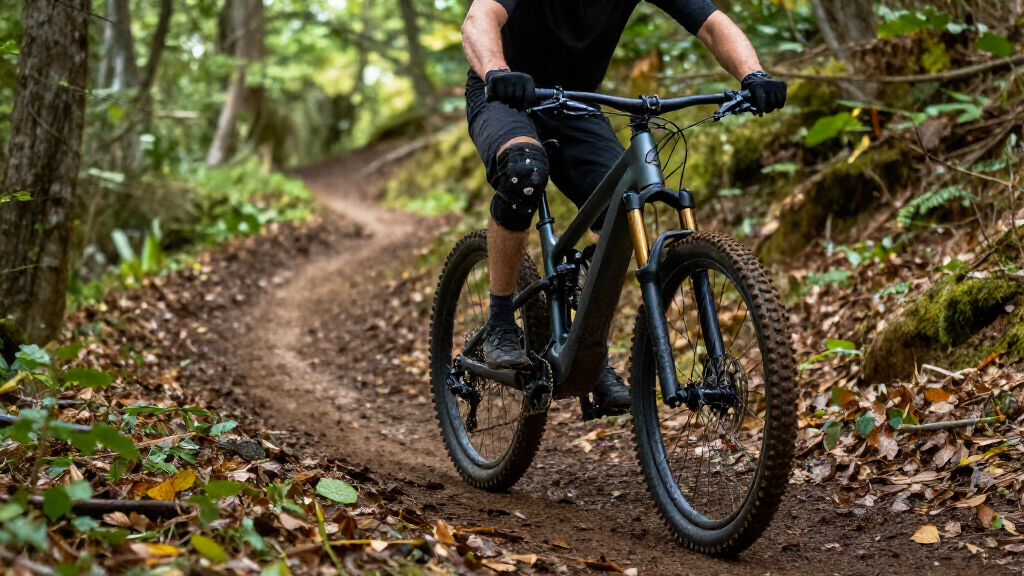
How We Picked
I ranked these options by how well their stated design and equipment match the needs of a full-suspension electric mountain bike: controlled trail handling, useful suspension, dependable braking, manageable fit, and power suited to sustained off-road riding. I also weighed battery information, tire format, motor configuration, and the availability of specific component details. A large battery or high motor figure can matter, but it does not by itself show how a bike climbs, descends, or fits a rider.
The PUCKIPUPPY Labrador Pro takes the lead because its mountain-bike positioning is the clearest match for the category. The other models are ranked by the use case their stated features suggest, with deductions for less conventional trail formats, dual-motor complexity, or sparse component information. Since names and headline specifications cannot establish real-world performance, I treat unverified claims cautiously and recommend checking current manufacturer documentation, local regulations, and service arrangements before purchase.
| full suspension electric mountain bike | Battery | Suspension | Brakes |
|---|---|---|---|
| eAhora Romeo Pro Electric Fat- | Removable 48V 60Ah | Adjustable 80–120 mm front fork and 50 mm dual rear shocks | Dual four-piston hydraulic |
| eAhora Juliet Pro 2 Electric B | Removable 60V 70Ah lithium | Adjustable, lockable front fork and four-link rear suspension | Front and rear four-piston hydraulic disc brakes |
| FREESKY Swift Horse Ultra Elec | Removable 48V 35Ah battery with LG cells | Dual-crown hydraulic fork and rear air suspension | Disc brakes |
| PUCKIPUPPY Labrador Pro Full-S | Removable 48V 20Ah | — | Dual hydraulic disc brakes, 3 × 180 mm |
| Riythrust R3 Dual-Motor Fat-Ti | Removable 58V 36Ah lithium | Front fork and rear shock | Front and rear hydraulic disc brakes |
| 9000W Dual Motor Electric Bike | Removable 36Ah lithium battery; voltage listed as both 58V and 52V | — | — |
Factors to Consider When Choosing Best Full Suspension Electric Mountain Bikes
Before choosing, separate a bike’s headline power and battery claims from the qualities that make it manageable on trails. I’d start with fit and intended terrain, then check the suspension, brakes, legal classification, and support available where you live.
Match the bike’s format to your trails
Full suspension can help keep the wheels connected over rough ground, but tire size and overall bike design shape how the bike steers. Fat tires can add flotation and grip on loose or soft surfaces, while their width and mass may feel less nimble on tight singletrack. Smaller 20-inch wheels, like those specified for the Juliet Pro 2, create a different ride feel from a conventional trail-bike wheel setup. Think about your regular routes rather than choosing by the broad label “mountain bike.” A bike suited to snow, sand, or mixed utility riding may not be the easiest option for repeated technical climbs and switchbacks.
Read motor claims alongside legal limits
Motor wattage and the number of motors do not tell the whole story about trail performance. Power delivery, controller behavior, gearing, rider weight, and terrain all affect how a bike climbs and how controllable it feels. Dual-motor models in this group make especially bold output claims, so check the manufacturer’s continuous and peak ratings rather than relying on a headline number alone. Local rules may limit motor output, assistance speed, or where an e-bike can be ridden. If you plan to use public trails, verify the exact class and permitted use before buying.
Compare battery capacity with practical range needs
A large battery can support longer rides, but advertised capacity does not translate directly into a fixed distance. Rider mass, hills, assist level, temperature, tire pressure, and stop-and-go riding all affect energy use. High-output or dual-motor setups can draw power quickly when ridden hard, so a large battery may be serving a different purpose than long, low-assist trail rides. Ask whether the battery is removable, how long charging takes, and whether a replacement pack is available. Avoid choosing solely by amp-hour figures when voltage and the bike’s power demands differ.
Check suspension and braking details, not just the label
“Full suspension” only confirms that the bike has front and rear suspension; it does not describe travel, adjustability, or how well the components suit your weight and terrain. Look for fork and shock specifications, setup guidance, and replacement-part availability. Hydraulic disc brakes are useful on heavier e-bikes, but rotor size, pad availability, and service access also matter for repeated descents. A powerful bike with weak or poorly supported braking components can become tiring to control. If component details are missing, request them before treating the bike as trail-ready.
Account for weight, fit, and transport
Battery size, fat tires, suspension, and extra motors can add substantial weight, which affects more than climbing. Consider whether you can lift the bike onto a rack, carry it up steps, or maneuver it in a garage. Check the frame size range, standover height, reach, and saddle adjustment rather than assuming one frame fits all riders. A bike that feels stable at speed may still be awkward on narrow paths or when loading it onto a vehicle. Confirm that your rack and storage setup are rated for the bike’s actual weight and dimensions.
Treat service and warranty as part of the spec
Electric mountain bikes combine wear-prone bicycle parts with electrical components, so local support can shape ownership as much as the purchase itself. Before ordering, identify who handles warranty claims and whether a nearby shop will service the motor, battery, brakes, and suspension. Less common battery formats or proprietary electronics can make repairs slower if parts are difficult to source. Ask about battery replacement, diagnostic tools, and the process for shipping a heavy bike or battery for service. A slightly less powerful model with dependable parts access may be a better long-term choice than a feature-heavy bike with uncertain support.
Frequently Asked Questions
Are all six bikes suitable for technical mountain-bike trails?
No. The lineup includes fat-tire and dual-motor designs alongside a model positioned more directly as a full-suspension electric mountain bike. Tire format, geometry, weight, suspension components, and motor behavior affect control on narrow or technical trails. Check the manufacturer’s intended-use guidance and the bike’s detailed component specifications before riding challenging terrain. Also confirm that the trail permits the bike’s e-bike class.
Should I choose a dual-motor bike over a single-motor model for climbing?
Not automatically. A dual-motor setup can offer strong assistance, but it may add weight, increase battery demand, and make power delivery more complex. Climbing also depends on gearing, traction, controller tuning, rider technique, and the bike’s balance. For technical ascents, controllable assistance and suitable tires can matter more than the largest advertised output. Compare verified motor ratings and ask how assistance is delivered before deciding.
How can I estimate whether a battery will cover my usual ride?
Use your route length, elevation gain, riding pace, and preferred assist level as a starting point, then ask the manufacturer for range estimates under comparable conditions. Treat maximum range claims as best-case figures rather than a guarantee for steep or fast rides. Cold weather, low tire pressure, and frequent high-power acceleration can reduce distance. If your rides are remote, leave a meaningful reserve rather than planning to use the battery down to its limit. Confirm that the battery can be replaced and that compatible packs are available.
What should I verify before buying a high-wattage e-bike online?
Confirm the exact motor rating, assisted top speed, e-bike class, and whether the model is legal on the roads or trails you plan to use. Ask for full specifications for the fork, rear shock, brakes, battery, and total bike weight rather than relying on the product title. Check warranty terms, return shipping arrangements, and which service provider handles electrical repairs. Also confirm the bike’s shipping and assembly requirements, since a heavy model may be difficult to return or transport. Keep written copies of the specification and warranty details.
Is a fat-tire full-suspension e-bike a good first mountain bike?
It can work for riders whose terrain includes loose ground, sand, snow, or mixed paths, but fat tires do not automatically make a bike easier to handle. Their width and weight can change steering feel, and a powerful motor may require careful control on uneven ground. Beginners should prioritize a comfortable fit, predictable power delivery, reliable brakes, and accessible service over maximum output. A conventional trail-oriented setup may be easier to learn on if most rides involve narrow singletrack. Try to confirm fit and handling through a local dealer or a clear return policy.
Conclusion
For a trail-first choice, I’d start with the PUCKIPUPPY Labrador Pro as the best overall match in this group. Buyers seeking a potential best value should compare the FREESKY Swift Horse Ultra against the PUCKIPUPPY on verified components, fit, warranty, and local service rather than headline figures alone. The eAhora Juliet Pro 2 is the premium-style pick for riders specifically drawn to a dual-motor, compact-wheel fat-tire format, while the eAhora Romeo Pro is the battery-capacity-led option for riders who prioritize that design. For beginners, I’d favor the bike with the clearest fit guidance, manageable power, and strongest nearby service—not necessarily the most powerful model. Choose the Riythrust R3 or the 9000W dual-motor bike only if their fat-tire, high-output approach suits your terrain and you have verified legal use and support. The best choice is the one whose handling, range, and service plan match your actual rides.