To tell if your rotor is bent or just dirty, start by feeling for pulsing or wobbling during braking, which usually indicates a bent rotor. Visually inspect the rotor surface for grooves, scoring, or rust—rust can often be cleaned off, but grooves suggest damage. Spin the rotor; if it wobbles, it’s likely bent. If splash or dirt seems present, cleaning might fix the issue. Keep exploring to learn how to pinpoint the exact cause and fix it properly.
Key Takeaways
- Listen for pulsing or shuddering in the brake pedal or steering wheel during braking, indicating a bent rotor.
- Visually inspect the rotor surface for grooves, scoring, or uneven wear that suggest physical damage.
- Spin the rotor slowly to check for wobbling or uneven rotation, which signals bending or warping.
- Clean the rotor surface to see if rust or debris removal restores smooth braking, differentiating dirt from damage.
- Observe if vibrations occur without pedal pulsing; consistent vibrations may be dirt or debris buildup.

If you’re experiencing vibrations or squealing when applying your brakes, it can be confusing to determine whether the issue stems from a bent rotor or simply dirt and debris. Often, brake pad wear and rotor surface corrosion play significant roles in causing brake problems, but they don’t always tell the full story. Understanding how to tell if your rotor is bent or just dirty will help you avoid unnecessary repairs and keep your braking system in top shape. When a rotor is bent, you’ll usually notice a consistent pulsing sensation through the brake pedal or steering wheel during braking. This pulsation occurs because the rotor’s surface isn’t spinning evenly anymore. Conversely, if your rotor surface has corrosion or a layer of grime, you might notice uneven braking or squealing, but the pedal won’t pulse as it does with a bent rotor. Brake pad wear also factors in; uneven pad wear can cause irregular contact, leading to vibrations or squeals, but it doesn’t necessarily mean the rotor is bent. Still, it’s worth inspecting both components since they often influence each other. To differentiate between a bent rotor and dirt or corrosion, start by inspecting the rotor surface visually. If you see rust spots, especially around the edges or on the surface, it might be rotor surface corrosion, which can often be cleaned off. Use a brake cleaner and a wire brush to remove surface rust; if the rust comes off easily and the braking feels smooth afterward, corrosion was likely the culprit. However, if the surface appears uneven, grooved, or scored, that could indicate the rotor is bent or warped. Next, perform a physical check. Safely lift your vehicle and remove the wheel to access the rotor. Spin the rotor slowly and observe for any wobbling or uneven movement. If it wobbles or looks uneven, it’s likely bent. If the rotor spins smoothly but still causes vibrations, dirt or debris build-up might be to blame. Sometimes, a simple cleaning restores smooth braking. Additionally, understanding the causes of rotor warping can help you prevent future issues. Regular inspection and maintenance can help prevent these issues from worsening over time. Being aware of the signs of rotor damage can guide you to timely repairs and ensure your safety on the road. To maintain your brake system effectively, it’s also helpful to learn about the proper cleaning techniques for rotors and brake components. Incorporating routine inspections into your vehicle maintenance schedule is essential for early detection of potential problems.
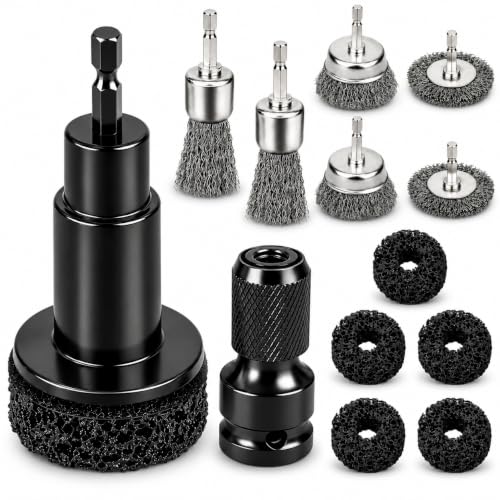
Wheel Hub Cleaning Tool, Brake Rotor Resurfacing Kit – 5 Pads & Coarse Carbon Steel Crimping Wire Wheel Brush, Rust Removal Tool for Car Repair
- All-in-One Wheel Maintenance Kit: Includes 5 pads and 6 brushes for cleaning and smoothing
- Durable Construction for Frequent Use: High-grade carbon steel brushes for tough rust removal
- Versatile Car Care Tool: Cleans lug nuts, polishes bolts, preps surfaces
As an affiliate, we earn on qualifying purchases.
As an affiliate, we earn on qualifying purchases.
Frequently Asked Questions
Can a Bent Rotor Cause Uneven Brake Pad Wear?
Yes, a bent rotor can cause uneven brake pad wear because it creates inconsistent contact with the brake caliper. When this happens, you might notice pulsing or vibration during braking. To fix it, you should have your rotor resurfaced or replaced, and check your brake calipers for proper operation. Regular maintenance helps prevent uneven wear, ensuring your braking system stays reliable and safe.
How Often Should I Check My Rotors for Damage?
An ounce of prevention is worth a pound of cure. You should check your rotors during regular brake inspections, ideally every 10,000 to 15,000 miles or when you notice brake issues. During these checks, inspect for damage and perform rotor cleaning to remove dirt and debris. Regularly monitoring guarantees your braking system stays in top shape, helping you catch problems early before they turn into costly repairs.
Are There Signs of Rotor Issues While Driving?
Yes, you’ll notice signs of rotor issues while driving, like a pulsating brake pedal or vibrations when applying brakes. You might also hear squealing or grinding noises, which could indicate brake pad or rotor problems. If your steering pulls or your car drifts, it could mean tire alignment issues affecting braking. Make certain your brake fluid level is adequate, and have your rotors inspected regularly to prevent these symptoms from worsening.
Can Dirty Rotors Affect Braking Distance?
Did you know that dirty rotors can increase your braking distance by up to 20%? Yes, a clogged brake system with dirt or grime reduces friction, making your brakes less effective. Regular rotor cleaning is essential to maintain the best braking performance. When rotors are dirty, they can cause uneven wear and reduce braking efficiency, leading to longer stopping distances. Keep your brake system clean for safer, more responsive stopping power.
Is It Safe to Drive With a Slightly Dirty Rotor?
It’s generally safe to drive with a slightly dirty rotor, but you should prioritize rotor cleaning and brake inspection. Dirt and debris can cause uneven braking or vibrations, so cleaning your rotors helps maintain safety. If you notice any grinding or pulsing, get a professional brake inspection. Regular maintenance guarantees your braking system stays in top shape, preventing further issues and ensuring safe driving conditions.
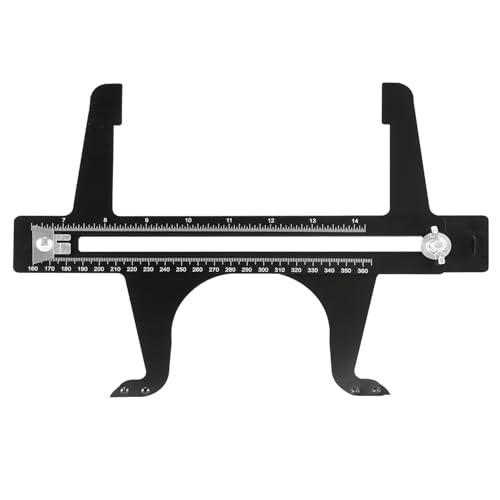
QWORK Brake Measuring Tool 6.5-14.25 Inch – Professional Precision Brake Resetting Gauge Tool Dual Scale Combination for Rear Drum Brake Lining Shoe, Disc Rotors, Parking, Hand Brakes
- Measurement Range: 6.5 to 14.25 inches (160-360mm)
- Dual Scale Display: Metric and Imperial scales
- Durable Construction: Made from robust steel
As an affiliate, we earn on qualifying purchases.
As an affiliate, we earn on qualifying purchases.
Conclusion
In the end, distinguishing a bent rotor from a dirty one comes down to observation, inspection, and testing. You look for uneven wear, listen for noises, and feel for vibrations. You inspect for dirt, grime, or rust, and then test for smooth braking. Recognize the signs, understand the causes, and take proactive steps. By doing so, you guarantee safety, maintain performance, and extend the lifespan of your braking system—keeping your drives smooth, safe, and reliable.

Disc Brake Rotor Gauge Ball Joint Prop Shaft Runout Flatness Measure Tool
- Multi-Function Measurement Tool: Checks brake flatness, runout, wear
- High-Precision Dial Gauge: Measures 0-10mm with 0.01mm accuracy
- Vise Grip Clamp: 7-inch locking pliers with adjustable grip
As an affiliate, we earn on qualifying purchases.
As an affiliate, we earn on qualifying purchases.

GegonC Bicycle Disc Rotor Truing Fork Tool Kit – Bicycle Brake Pad and Rotor Alignment – Steel Rotor Adjustment Tool for Mountain Road Bike Calibration,(Black)
- Durable Stainless Steel Construction: Withstands heavy-duty rotor truing
- Ergonomic Silicone Handle: Slip-resistant, comfortable grip
- Easy to Use: Quickly adjusts bicycle rotors
As an affiliate, we earn on qualifying purchases.
As an affiliate, we earn on qualifying purchases.