To avoid application traps for e-bike rebates and incentives, start by thoroughly checking your local programs and gathering all required documentation, like proof of battery capacity or efficiency. Be sure your e-bike has qualifying features, such as a removable battery, and understand the eligibility standards. Carefully follow application steps to prevent delays or disqualification. If you want to learn how to navigate these requirements smoothly, continue exploring the key tips below.
Key Takeaways
- Research local rebate programs thoroughly to understand specific eligibility requirements and application procedures.
- Prepare necessary documentation, such as proof of battery capacity or efficiency standards, to streamline approval.
- Verify that your e-bike features, like removable batteries, meet the incentive criteria before purchasing.
- Stay informed about charging infrastructure options to ensure your e-bike’s compatibility with available stations.
- Consult official sources or program administrators for guidance to avoid common application errors and delays.

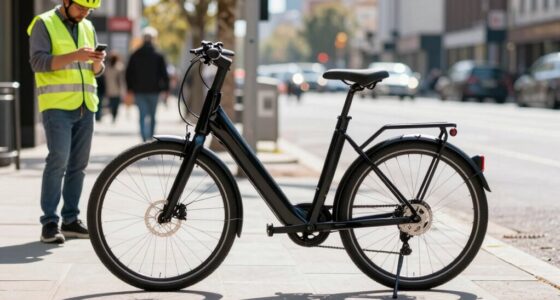
If you’re considering switching to an electric bike, you’re in luck—many cities and states now offer rebates and incentives to make your switch more affordable. These programs can substantially lower the upfront cost, but navigating the application process can be tricky if you’re not prepared. One key factor to think about is the availability of charging stations in your area. While e-bikes generally don’t require as much charging infrastructure as electric cars, having access to convenient charging stations can influence your decision and usage habits. Some rebate programs even prioritize purchases from brands that support integration with local charging networks, so it’s worth checking whether your preferred e-bike model is compatible with existing infrastructure.
Another important aspect is battery technology. Advances in battery tech have made e-bikes more efficient, lighter, and with greater range than ever before. When applying for rebates, you may need to provide proof of a certain battery capacity or energy efficiency standards, so understanding this can help you select eligible models. Modern batteries also charge faster and last longer, giving you more flexibility to use your e-bike without frequent downtime. Familiarizing yourself with the specifications of the battery technology included in your potential purchase can help you meet rebate requirements more confidently. Additionally, the energy efficiency standards of the batteries can impact your eligibility for certain incentives, so reviewing these specifications is beneficial.
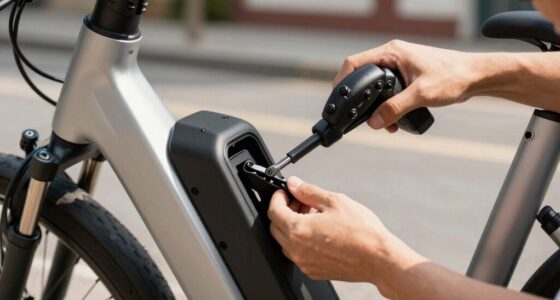
Many rebate programs have specific criteria related to the e-bike’s features and components, which often include the battery. For example, some programs require the battery to be removable for easier charging or specify that the bike must meet certain efficiency standards. This is where knowing about battery technology becomes critical—you want to choose an e-bike that qualifies for the incentive and suits your riding needs.
Many rebate programs require removable batteries and specific efficiency standards for eligibility.
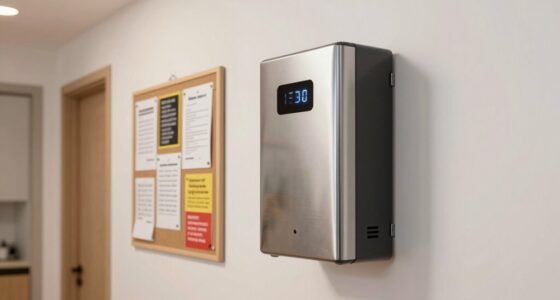
It’s also wise to be aware of how charging stations are integrated into the broader transportation network in your city or state. Some areas offer incentives not just for the bike purchase but also for installing home charging stations or supporting public charging infrastructure. If you plan to frequently charge at home, look into programs that provide rebates for installing dedicated charging points.
Frequently Asked Questions
Are E-Bike Rebates Available Nationwide or Only in Specific States?
E-bike rebates aren’t available nationwide; they depend on state programs and federal grants. You should check your state’s specific incentives, as some states offer generous rebates, while others don’t. Federal grants can also support certain projects, but eligibility varies. To maximize your chances, research local policies and stay updated on new programs, ensuring you don’t miss out on potential savings available in your area.
Can I Combine Multiple Incentives for a Single E-Bike Purchase?
Did you know that over 60% of e-bike buyers successfully combine multiple incentives? You can often stack incentives, but watch out for application limits, which vary by program. Check each incentive’s rules, as some limit you to one per purchase or household. To maximize savings, research carefully and verify the incentives are compatible. Combining multiple incentives is possible, but understanding the limits prevents losing out on potential discounts.
What Are Common Reasons My Rebate Application Might Be Rejected?
Your rebate application might get rejected due to application errors or documentation issues. Double-check all your forms for accuracy, ensuring you’ve filled in every required field correctly. Make sure your proof of purchase and other supporting documents are complete and clear. If any info is missing or inconsistent, it could delay or deny your rebate. Take your time reviewing everything before submitting to avoid common pitfalls that lead to rejection.
Do I Need to Own My Home to Qualify for E-Bike Incentives?
You don’t necessarily need to own your home to qualify for e-bike incentives. Homeownership requirements vary by program, with some needing proof of residency rather than ownership. Residency verification typically involves providing documents like a lease or utility bill, so check the specific guidelines. Stay savvy by understanding these stipulations, ensuring your paperwork proves your place, and you’ll smoothly sail through the subsidy system without any snags.
How Long Does It Typically Take to Receive Rebate Funds?
Rebate processing times vary, but typically, you’ll see your funds within four to eight weeks after submitting your application. It’s important to track your application status and make certain all required documents are complete to avoid delays. The application timeline can be affected by the volume of submissions, so patience is key. Staying in touch with the rebate program’s support team can help you stay informed about your rebate’s progress.
Conclusion
Now that you know the pitfalls and pitfalls to avoid, you can confidently claim your e‑bike rebate without hassle. Stay savvy, scrutinize the steps, and steer clear of common traps. With careful checklists and cautious consideration, you’ll cruise smoothly through the process. Embrace the excitement of electrification, energize your efforts, and enjoy every effortless mile. By dodging deception and daring to decide wisely, you’ll soon be zipping with zero worries and a zesty zest for eco-friendly adventures.