
TL;DR

Get bike and ride gear delivered free with Prime
- Fast, free delivery on millions of items
- Prime Video, Amazon Music and more included
- Member-only deals all year
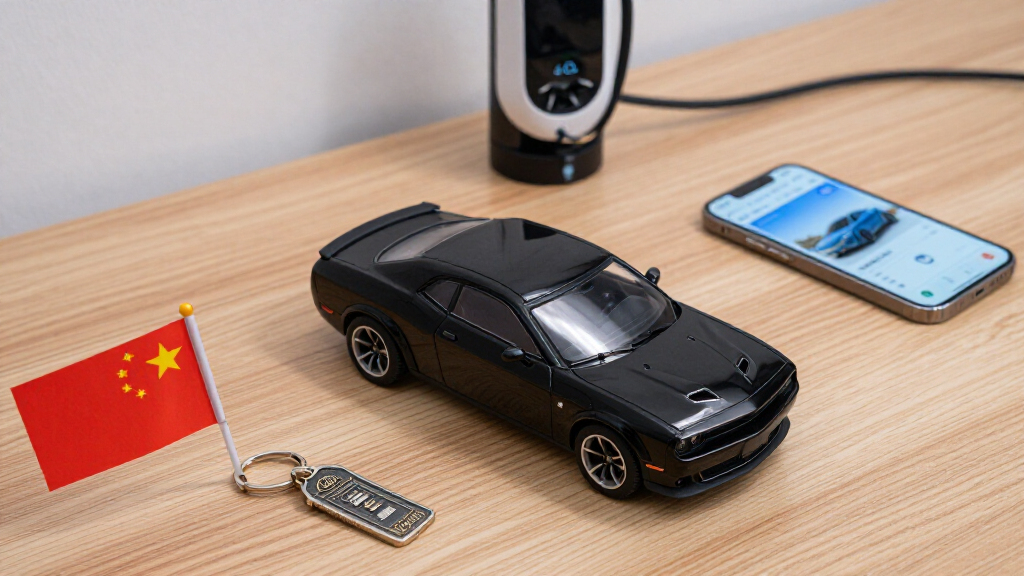
Chinese car enthusiasts are illegally recreating classic muscle cars, bypassing import bans. Authorities are increasing enforcement, but the trend continues due to high demand. The development raises safety and legal concerns.
Chinese car enthusiasts are increasingly engaging in the illegal recreation of classic muscle cars, bypassing government bans on importing foreign muscle car models. This trend has gained momentum despite crackdowns by authorities, highlighting high demand for these vehicles among local enthusiasts.
Sources indicate that a growing number of Chinese car enthusiasts are illegally manufacturing muscle car replicas using locally sourced parts or modified vehicles. These replicas mimic iconic models from the United States, such as the Ford Mustang and Chevrolet Camaro, which are officially restricted due to import bans and regulatory restrictions.
Recent enforcement actions by Chinese authorities have targeted illegal workshops and individual builders involved in the production and sale of these replicas. Despite crackdowns, the trend persists, driven by the popularity of American muscle cars among young drivers and car culture aficionados.
Experts note that these illegal recreations often lack official safety certifications and may not meet local emissions standards, raising concerns about road safety and environmental impact. Nevertheless, the allure of owning a ‘forbidden’ classic continues to motivate enthusiasts to pursue these projects clandestinely.
Implications of Illegal Muscle Car Reproductions in China
This trend underscores a strong demand for American muscle car aesthetics and performance, despite legal restrictions. It raises issues related to vehicle safety, environmental standards, and law enforcement challenges. The phenomenon also reflects broader cultural shifts among Chinese youth and car enthusiasts seeking status symbols and nostalgic vehicles. Authorities face the dilemma of balancing enforcement with the desire of enthusiasts, which could influence future policy adjustments.Popular right now
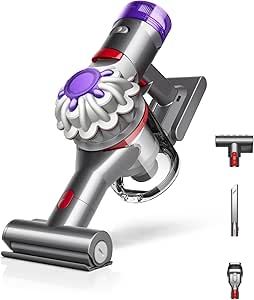
Dyson Car+Boat Cordless Handheld Vacuum

Breville Barista Pro Espresso Machine with Grinder, Brushed Stainless Steel

Ninja Luxe Café Premier 3-in-1 Espresso Machine, Drip Coffee & Cold Brew
As an affiliate, we earn on qualifying purchases.
Background of Muscle Car Bans and Enthusiast Culture in China
China has historically restricted the import and sale of foreign muscle cars, citing safety, emissions, and regulatory concerns. Officially, models like the Ford Mustang and Chevrolet Camaro are either heavily restricted or banned from legal importation. Despite this, a niche community of enthusiasts has emerged, driven by a fascination with American car culture and performance vehicles.
Over the past decade, the popularity of muscle cars has grown among Chinese youth, fueled by social media, car shows, and international influence. This has led some enthusiasts to seek alternative ways to acquire and own these vehicles, including illegal manufacturing and modification. Authorities have periodically cracked down on illegal workshops, but the demand persists, often fueled by the thrill of rebellion against restrictions.
“The illegal recreation of muscle cars is a clear sign of the passion Chinese enthusiasts have for American car culture, despite the legal barriers.”
— Li Wei, automotive expert at Beijing Car Society
Extent and Future of Illegal Muscle Car Production in China
It is not yet clear how widespread the illegal reproduction of muscle cars has become across China or how effective ongoing crackdowns will be long-term. Authorities have increased enforcement, but the demand remains high, and some workshops may operate covertly or relocate. The potential impact on safety standards and environmental policies is also still being evaluated.
Expected Enforcement and Policy Adjustments on Illegal Car Reproductions
Authorities are expected to continue crackdowns on illegal workshops and may introduce stricter regulations or penalties for illegal manufacturing. Monitoring of online sales and social media platforms is likely to increase. The trend may also influence future policy discussions around import restrictions and legal pathways for enthusiasts to access these vehicles legally.
Key Questions
Why are muscle cars banned from import in China?
Chinese authorities cite safety concerns, emissions standards, and regulatory issues as reasons for restricting the import of foreign muscle cars.
How are enthusiasts creating these illegal muscle cars?
They typically use local parts, modify existing vehicles, or replicate the appearance and performance of classic models through illegal workshops.
Are these illegal recreations safe to drive?
Many lack official safety certifications and may not meet local standards, posing potential safety risks.
What is the government doing about these illegal cars?
Authorities are increasing enforcement efforts, cracking down on illegal workshops, and monitoring online sales to curb the trend.
Could this trend lead to changes in Chinese vehicle import policies?
It is possible that ongoing enforcement and public interest could influence future policy adjustments or legal pathways for enthusiasts.
Source: rss