TL;DR

Get bike and ride gear delivered free with Prime
- Fast, free delivery on millions of items
- Prime Video, Amazon Music and more included
- Member-only deals all year
Cycling Weekly columnist Michael Hutchinson says friends often evade direct questions about the price of their bikes, citing discounts, trade connections or sponsorship. His column reflects on cycling culture and discomfort around spending; it does not report new research or a broader measured trend.
Cycling Weekly columnist Michael Hutchinson has described how friends and acquaintances often avoid telling him what they paid for a bike, offering explanations about trade deals, second-hand purchases or brand support instead. His column is a personal account, not a survey: it explores the social awkwardness around spending and the way cycling enthusiasts may prefer to see themselves as insiders rather than ordinary consumers.
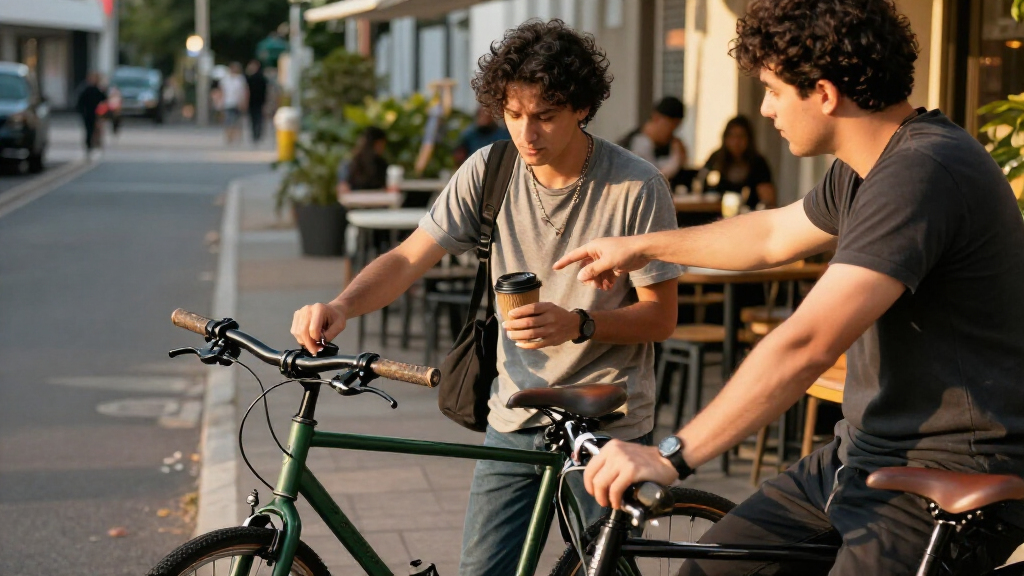
Hutchinson opens with a familiar exchange: after he asked a friend named Bernard what a new bike cost, Bernard said he had “got a deal” through a friend in the trade, but would not identify that person or explain the arrangement. Hutchinson says he has heard similar accounts over the years, including claims that nearly new-looking bikes were bought used at steep discounts and stories of well-off friends selling their old bikes cheaply.
He also describes an acquaintance who says manufacturers or distributors provide him with bikes and other equipment because he is a brand ambassador. Hutchinson writes that the brand named can vary with the person’s latest expensive purchase. These are anecdotes from the columnist; the article does not independently verify the deals, gifts or relationships he describes.
Hutchinson contrasts the evasiveness with people who answer directly. One person, he recalls, said a bike cost £5,000 and that upgraded wheels added £2,000, then asked whether the purchase seemed good value. Another competitor said he did not know his bike’s price because his mother bought it and did not tell him. The examples illustrate different responses, rather than establishing how common any one response is.
Price Talk and Cycling Identity
The column focuses on more than the cost of a bicycle: it links price disclosure to status, identity and belonging in cycling. Hutchinson suggests some riders may be uncomfortable describing themselves as straightforward customers who paid a company, and may instead value the impression of having insider access, a special deal or support from a brand.
For readers comparing bikes or planning a purchase, the account also highlights why casual conversations about prices can be hard to interpret. A claim that a bike was discounted, bought second-hand or provided through a brand relationship may not show what the same model would cost another buyer. Hutchinson offers no buying data or market analysis, so the column should be read as commentary based on his experience, not as evidence that cyclists generally conceal prices or that bike pricing has changed.
Popular right now

Vitamix Touch & Go Advance 32-Ounce Bar Blender, White

Bose QuietComfort Wireless Noise-Cancelling Headphones, Twilight Blue

Apple AirPods Pro 3 Wireless Earbuds with Active Noise Cancellation
As an affiliate, we earn on qualifying purchases.
From Parts to Complete Bikes
Hutchinson says the way some riders talk about buying bikes has roots in an older approach to assembling them. In his account of his early years in the sport, racing riders often built bicycles gradually from parts bought, borrowed, found or transferred from another bike. A new frame could be the main purchase, while a complete new bicycle was less often bought in one transaction.
He argues that riders accustomed to that culture may feel awkward about saying they bought an entire bike, not only about naming its price. The column also reflects his view that cycling enthusiasts like to feel they have connections and access to trade knowledge. Those explanations are Hutchinson’s interpretation; the source does not include interviews with the people he describes or evidence showing how widely these attitudes are shared.
Anecdotes, Not Pricing Data
The source is a first-person column and does not identify most of the people in its examples. It does not verify the claimed discounts, trade arrangements or equipment provided by brands, and it gives no sample size or data on how often cyclists disclose prices. It is also unclear whether the people Hutchinson describes were embarrassed, protecting a private arrangement, or simply did not want to discuss money. The column raises those possibilities but does not establish a single explanation.
No Further Reporting Announced
The source reports no planned follow-up, investigation or industry response. Readers can treat the piece as Hutchinson’s personal reflection on bike-buying conversations, rather than a report of a new policy, market development or verified trend. No further developments are specified in the source.
Key Questions
What is Michael Hutchinson’s main point?
He says friends and acquaintances often avoid giving a direct answer when he asks what they paid for a bike. He connects the behavior to discomfort about money and a desire to appear connected to the cycling trade, but presents those ideas as his interpretation.
Does the column show that most cyclists hide bike prices?
No. It gives Hutchinson’s personal examples, not a survey or other evidence measuring how often cyclists discuss prices. The column cannot establish how common the behavior is across cycling.
What kinds of explanations does Hutchinson describe?
He recalls claims of a special deal through someone in the trade, a discounted second-hand purchase, a wealthy friend selling an older bike, or equipment supplied through a brand relationship. The column does not independently verify these accounts.
What prices are mentioned in the article?
One cyclist reportedly said his bike cost £5,000 and that he spent another £2,000 on upgraded wheels. Hutchinson also recalls a competitor who said he did not know the price because his mother had bought the bike.
Source: cyclingweekly.com