TL;DR

Get bike and ride gear delivered free with Prime
- Fast, free delivery on millions of items
- Prime Video, Amazon Music and more included
- Member-only deals all year
A Cycling Weekly report examines why professional racers’ low, forward bike positions may not work for recreational and endurance riders. The report argues that fit should reflect a rider’s flexibility, goals and typical speed, and recommends a professional bike fit rather than copying a pro setup by default.
Cycling Weekly’s report says everyday cyclists should not assume that professional racers’ low, forward riding positions will suit them, because differences in flexibility, training time and riding speed can affect comfort and power. The report recommends choosing a setup around individual needs—and getting a bike fit—rather than buying or adjusting a race bike solely to imitate professionals.
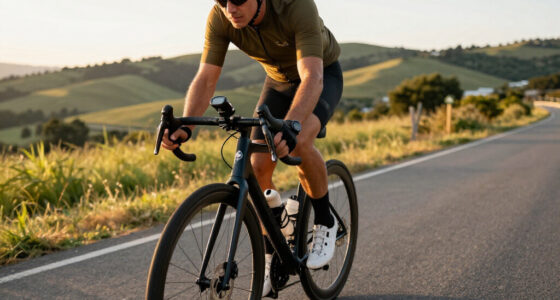
The report describes a shift in professional bike setups: riders increasingly position their saddles farther forward over the bottom bracket, often alongside a long, low front end. That position can help open the hip angle and support power and aerodynamics, but the report says it can also concentrate pressure on the wrists and forearms.
One reason the position may be difficult to sustain for recreational riders is the difference in preparation. Professionals can devote substantial time to training, stretching and mobility work. Many other riders spend long hours sitting or working at desks, which the report says can tighten muscles such as the hamstrings and limit their ability to hold an aggressive position comfortably.
The report recommends matching bike setup to physiology, flexibility and riding goals. It describes an endurance bike’s shorter reach and higher handlebar position as potential ways to reduce pressure on the wrists and neck. It also says comfort can help riders maintain their effort on longer outings, while noting that a specific bike fit is the strongest starting point for people seeking better performance or more riding time.
Comfort Shapes Sustainable Speed
For riders who spend hours on the bike, a position that feels fast for a short effort may be hard to maintain over a longer ride. The report’s central point is that comfort and performance are connected: excessive strain or pressure can make it harder to sustain a position and power output.
This matters when choosing between a race-oriented and endurance-oriented bike. The report says an endurance model may offer a more upright fit without a major like-for-like performance penalty, while a more aerodynamic setup can still make sense for riders doing fast races or group rides. The right choice depends on how a person rides, not simply on what professionals use.
Popular right now

Bose QuietComfort Wireless Noise-Cancelling Headphones, Cypress Green

Ninja Foodi Smart 6-in-1 Indoor Grill and Air Fryer, 4 Qt, Black/Silver, FG551

Samsung 75-Inch The Frame Pro 4K Neo QLED Smart TV (QN75LS03FW)
As an affiliate, we earn on qualifying purchases.
How Pro Positions Differ
According to the report, professional setups have moved away from the older pattern of saddles positioned far back and handlebars relatively long and low. Many racers now use a more forward saddle position and an aerodynamic posture. The report links that choice to the demands of racing, where aerodynamic drag becomes a major obstacle at high speeds.
As an illustration, it cites men’s Tour de France stages in the year referenced in the report that averaged more than 45 km/h, and reports that Stage 11 from Vichy to Nevers averaged 50.91 km/h. It states that at those speeds roughly 80% to 90% of the forces a rider must overcome come from aerodynamic drag. Those figures describe elite racing conditions and should not be treated as a general target for recreational cyclists.
The report compares the Cannondale Synapse endurance bike with the SuperSix race model, describing the Synapse as having a shorter reach and higher stack. It also notes that some professional riders are using higher stack heights and more spacers under their handlebars, suggesting that race setups are not fixed at one extreme.
Fit Depends on the Rider
The report offers general guidance, not a controlled comparison establishing that one bike type or position is faster for every rider. It does not provide a universal fit measurement or quantify how much comfort, speed or fatigue changes when a rider switches setups. Outcomes depend on individual biomechanics, flexibility and event demands.
The source also does not identify the publication date in the material provided, and its Tour de France figures refer to “this year” without a year specified here. Riders should not treat those race speeds or the examples of professional positions as a prescription for their own setup.
Start With a Bike Fit
For cyclists considering a new bike or a position change, the report recommends a fitter who assesses range of motion and asks about riding goals. A racing-focused fit may approach the limits of a rider’s flexibility; an endurance-focused fit is more likely to prioritize a position that can be held comfortably while sustaining power.
Riders aiming for high-speed events may have more reason to consider aerodynamic choices, but the report still advises individualizing the setup. It does not identify a scheduled follow-up or announce a new product; its practical next step is to assess fit and riding needs before attempting to copy a professional position.
Key Questions
Should recreational cyclists copy professional bike positions?
Not automatically. The report says professional positions reflect racing demands and extensive training and mobility work. Recreational riders should account for their own flexibility, comfort and typical riding speed.
What is the difference between an endurance and race bike fit?
The report describes endurance bikes as generally having a shorter reach and higher stack, creating a more upright position. Race-oriented setups tend to prioritize a lower, more aerodynamic posture.
Can a more comfortable setup also be faster?
The report says comfort may help a rider sustain power and reduce fatigue on longer rides. It does not claim that a more upright position is faster for everyone; results depend on the rider and the event.
What should I look for in a bike fitter?
The report recommends a fitter who conducts a range-of-motion assessment and asks about your goals, such as racing or endurance riding, before setting the bike position.
When might copying a pro setup make sense?
The report says a more aerodynamic, performance-focused setup may suit riders doing fast amateur races or group rides, particularly at speeds above 40 km/h. It still recommends tailoring the position to the rider.
Source: rss