To prevent overheating while charging your scooter, always use a dedicated, properly grounded outlet that fits your charger’s plug securely. Avoid overloaded power strips or extension cords, and add a surge protector to guard against electrical surges. Keep the charging area cool, dry, and free from direct sunlight or heat sources. Regularly inspect cables and connectors for damage. Following these steps guarantees safe charging and helps prolong your scooter’s lifespan; more tips await if you continue exploring.
Key Takeaways
- Use a dedicated, properly grounded outlet designed for scooter chargers to prevent overloads.
- Avoid using extension cords or power strips that can cause overheating or electrical faults.
- Install a surge protector between the outlet and charger to absorb voltage spikes and prevent damage.
- Ensure the outlet and plug fit snugly, avoiding loose connections that can lead to arcing and overheating.
- Regularly inspect the outlet and charging setup for signs of wear, damage, or overheating, and replace if necessary.

Charging your scooter safely is essential to prevent accidents and guarantee the longevity of your device. Properly managing your scooter’s charging process ensures your battery remains in good condition and reduces the risk of damage caused by power surges. When it comes to battery maintenance, attention to your charging setup plays a critical role. Using the right outlet and avoiding common pitfalls can extend your scooter’s lifespan and keep you safe during every charge.
Start by choosing a dedicated outlet that’s specifically designed for your scooter charger. Avoid plugging it into overloaded power strips or extension cords, as these can lead to overheating and increase the chances of a fire hazard. A stable, properly grounded outlet provides a safer environment and helps maintain consistent power flow. When you connect your charger, ensure the plug fits snugly and securely; loose connections can cause arcing, which may damage your charger or create sparks.
Use a dedicated, grounded outlet for safe, reliable scooter charging.
Power surge prevention is another key aspect of safe charging. Power surges happen when there’s an unexpected spike in electrical current, often caused by lightning strikes, utility switching, or faulty wiring. To prevent this, consider installing a surge protector between your outlet and charger. This simple device absorbs excess voltage, shielding your scooter’s battery and electronics from harm. It’s an inexpensive investment that offers peace of mind and safeguards your device from unpredictable electrical fluctuations.
Monitoring your charging environment is equally important. Avoid charging your scooter in places prone to extreme temperatures or high humidity, as these conditions can affect electrical components and battery health. Keep the charger and scooter away from water, direct sunlight, and other sources of heat, which can cause overheating. Regularly inspect your charger and cable for signs of wear or damage. Faulty wires or connectors can lead to short circuits or power surges, compromising safety and battery integrity. Additionally, using a high-quality projector can help you monitor charging status more effectively in your garage or workspace.
Practicing good battery maintenance also involves not overcharging your scooter. Once the battery reaches full capacity, unplug the charger promptly. Overcharging can degrade the battery over time and increase the risk of overheating. Many modern scooters have built-in safeguards to prevent overcharging, but it’s still best to stay attentive and unplug once fully charged. Additionally, avoid frequently draining your battery completely before recharging, as this can harm the battery’s overall health.

Autel MaxiCharger Level 2 Electric Vehicle (EV) Charger, up to 80 Amp Fast Charging EV Charger Level 2, Integrated Cloud with AI, Indoor/Outdoor Charging Stations J1772, Hardwired
- AI-Integrated Smart Charging: Schedule and control via app
- High-Speed 80A Charging: Up to 19.2 kW, 70 miles/hour
- Fast Recharge for EVs: Charges overnight or between visits
As an affiliate, we earn on qualifying purchases.
Frequently Asked Questions
Can Using Extension Cords Cause Safety Issues With Scooter Chargers?
Using extension cords with scooter chargers can cause safety issues, mainly due to extension cord hazards like overheating and voltage drops. Always follow outlet safety tips by avoiding daisy-chaining multiple cords or using damaged ones. Instead, plug your charger directly into a grounded outlet. This reduces the risk of overheating, electrical fires, and damage to your scooter’s charger, ensuring safe and reliable charging every time.
What Materials Are Best for Safe Outlet Covers for Chargers?
When it comes to safe outlet covers for chargers, choose weather-resistant covers and child-proof outlets to keep things safe and secure. These materials are sturdy, durable, and designed to withstand the elements, preventing overheating and accidental shocks. Think of them as a fortress for your charger, providing peace of mind. Always guarantee the covers fit snugly and are easy to remove when needed, so you stay protected without hassle.
How Does Ambient Temperature Affect Charger Overheating Risks?
Ambient temperature impacts your charger’s overheating risk considerably. Higher temperatures hinder thermal regulation, causing the charger to retain heat longer and potentially overheat. Conversely, cooler environments help maintain proper thermal regulation, reducing overheating chances. To keep your charger safe, avoid placing it in hot or poorly ventilated areas. Monitoring ambient temperature ensures your charger operates efficiently and prevents damage caused by excessive heat buildup.
Are Surge Protectors Necessary for Scooter Charger Safety?
Yes, surge protectors are necessary for scooter charger safety. They provide surge protection, shielding your charger from voltage spikes caused by power fluctuations. Using a surge protector also enhances outlet safety by preventing potential electrical damage or fire hazards. Always choose a quality surge protector rated for your charger’s power needs, and guarantee it’s properly plugged in to keep your scooter’s charging process safe and reliable.
How Often Should I Inspect My Outlet and Charger for Damage?
You should inspect your outlet and charger for damage every three to six months. Regular outlet maintenance helps catch signs of wear, such as scorch marks or loose connections, while charger inspection involves checking the cord for frays or exposed wires. By doing this routinely, you reduce overheating risks and guarantee your scooter charges safely. Don’t skip these inspections—they’re key to maintaining safe, reliable scooter charging.

ChargePoint HomeFlex Level 2 EV Charger, Hardwired NACS Charging Station – Tesla Compatible, Fast Charge Solution for Electric Vehicles
- Reliable Charging for Home and Business: Builds dependable EV charging stations with support
- Mobile App Control: Manage and monitor charger via ChargePoint app
- Extensive Charging Network: Access 274,000+ stations across North America and Europe
As an affiliate, we earn on qualifying purchases.
Conclusion
To keep your scooter charger safe, always set up your outlet correctly and avoid shortcuts. Remember, a stitch in time saves nine—taking a few extra precautions now prevents bigger problems later. Never ignore signs of overheating or damaged cords, and always unplug your charger when not in use. By staying vigilant and following these simple steps, you’ll keep your scooter and home safe, proving that safety isn’t just a one-time act but a habit that pays off in the long run.

EVIQO NACS Charger for Tesla 40 Amp 240V Plug-in Level 2 EV Charger w NEMA 14-50 Plug, Wall EV Charger Level 2, 25ft Cable, WiFi (2.4 GHz) Smart App Weatherproof Outdoor (IP66,NEMA 4) UL ETL Certified
- Easy Plug-in Installation: No electrician needed, 40A max output
- NACS Compatibility: Works with all Tesla models and North American EVs
- WiFi Smart Control: Control and monitor via smartphone app
As an affiliate, we earn on qualifying purchases.
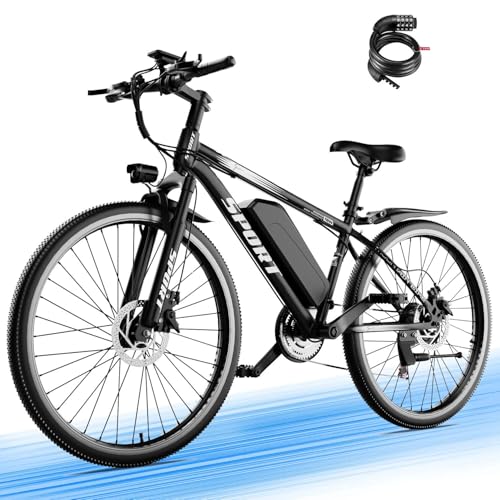
ASKGO Electric Bike for Adults, 1500W Peak Mountain Ebike with 25 MPH, 65 Miles Range, 48V 10.4Ah Removable Battery Ebike, 26" Electric Bicycle for Commute
- Peak Motor Power: 1500W peak motor for high performance
- Top Speed: Reaches up to 25 MPH
- Long Range: 65 miles per charge
As an affiliate, we earn on qualifying purchases.