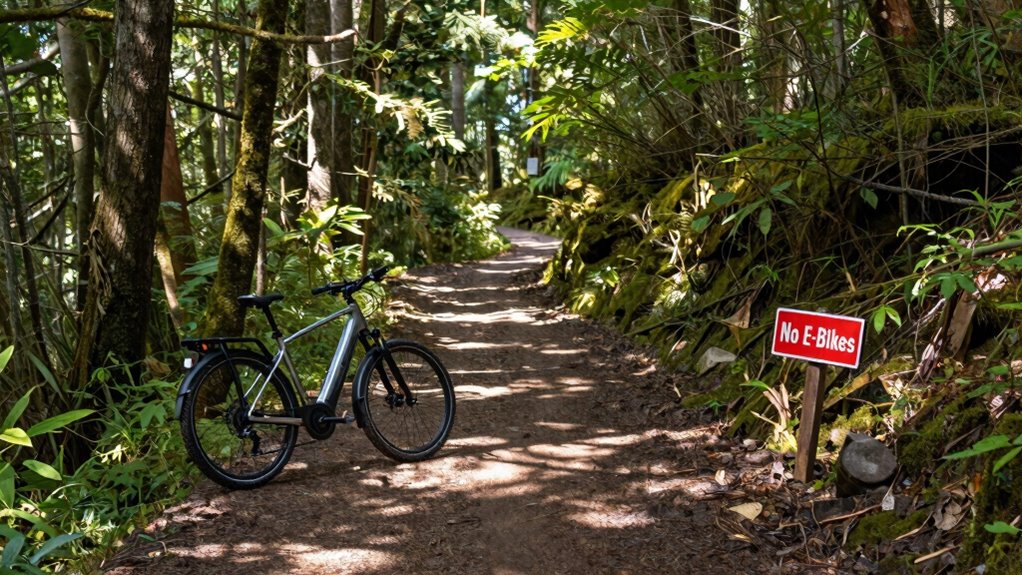

Some paths allow Class 1 e-bikes because they assist only when pedaling and stay under 20 mph, making them safer and less disruptive. Class 2 bikes can accelerate independently, which increases safety risks, causes more trail damage, and disturbs the environment. Trail managers prefer Class 1 bikes to protect riders, trail surfaces, and ecosystems. If you want to understand why many places restrict Class 2, keep exploring these important reasons.
Key Takeaways
- Class 1 e-bikes are quieter and less disruptive, making them safer for shared trail environments.
- Class 2 bikes’ throttle-assisted acceleration can cause safety hazards for other users.
- Trails with environmental concerns restrict Class 2 bikes to prevent soil and vegetation damage.
- Class 1 bikes cause less trail surface wear, helping preserve infrastructure over time.
- Regulations favor Class 1 bikes to balance rider enjoyment, safety, and ecological protection.
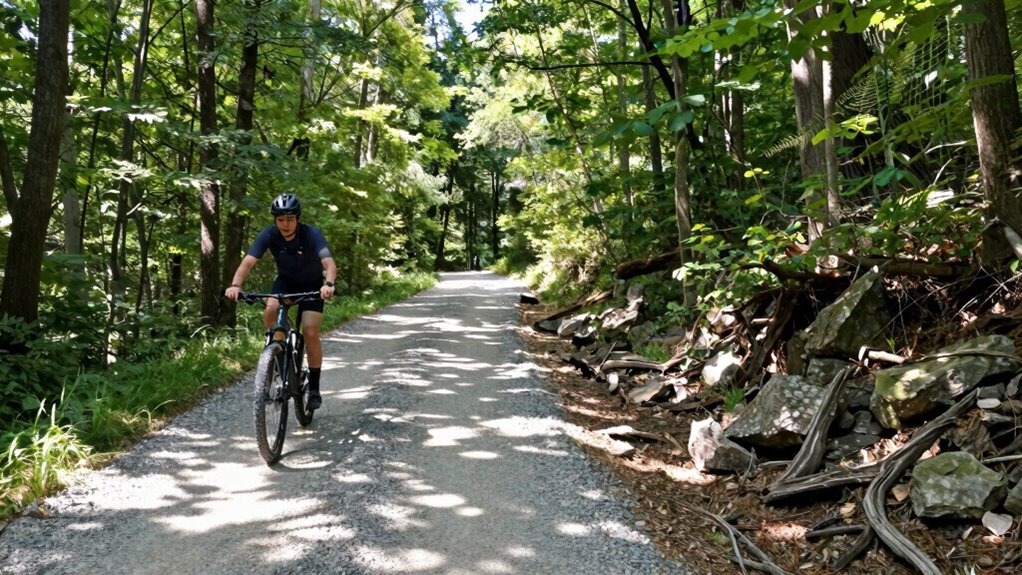
Many trails and paths permit Class 1 e-bikes but ban Class 2 models due to safety and environmental concerns. Understanding why this distinction exists helps clarify how regulations balance rider experience with broader community and ecological considerations. Class 1 e-bikes assist only when you pedal and have a maximum speed of 20 mph. These bikes tend to be quieter, less disruptive, and easier to integrate into existing trail infrastructure. Because they operate at lower speeds and have more predictable acceleration, trail managers often view them as safer options that minimize the risk of accidents or conflicts with other trail users. The focus on infrastructure safety becomes evident: paths designed for traditional biking can typically accommodate Class 1 e-bikes without major modifications. Their moderate speed and smoother operation reduce the chance of collisions or damage to the trail surface, helping preserve the trail’s integrity over time. Additionally, trail surface preservation is crucial because faster bikes can cause more erosion and surface damage, which is why authorities prefer the slower, more controlled operation of Class 1 bikes. Proper trail design and maintenance are essential for accommodating different types of e-bikes safely, especially when considering trail infrastructure upgrades. Recognizing these distinctions helps ensure that trail environments remain sustainable and enjoyable for all users.
In contrast, Class 2 e-bikes offer throttle-assisted riding up to 20 mph without requiring pedaling. While they might seem similar to Class 1 bikes, their ability to accelerate independently makes them potentially more disruptive. Trail authorities often ban these bikes because their higher, often unpredictable speeds could compromise safety. When you’re riding a Class 2 e-bike, the sudden acceleration might catch other trail users off guard, especially on narrow or crowded paths. This heightened risk can lead to accidents, prompting restrictions aimed at protecting all trail users. Furthermore, the increased speed and power of Class 2 bikes can accelerate trail wear and tear, contributing to environmental impact concerns. Trails are often designed with specific weight limits and surface types, and the extra strain from faster bikes can lead to erosion, ruts, or other damage that’s costly to repair. Environmental impact is also a significant concern, especially in regions with sensitive ecosystems where even minor disturbances can have long-term effects.
Environmental impact is another critical factor. Trails situated in delicate ecosystems or protected natural areas face stricter regulations. The faster, more powerful Class 2 e-bikes can cause more soil disturbance and vegetation damage, especially if riders venture off designated paths or ride aggressively. Trail managers restrict these bikes to prevent long-term harm to flora and fauna, ensuring that the natural environment remains intact and vibrant. Many trail systems also incorporate rider behavior guidelines to promote responsible riding and minimize ecological disturbance. Overall, the decision to permit Class 1 e-bikes while banning Class 2 models boils down to balancing rider enjoyment with sustainable trail use. By prioritizing infrastructure safety and minimizing environmental impact, authorities aim to create a safe, enjoyable experience for everyone while safeguarding the natural surroundings for future generations.
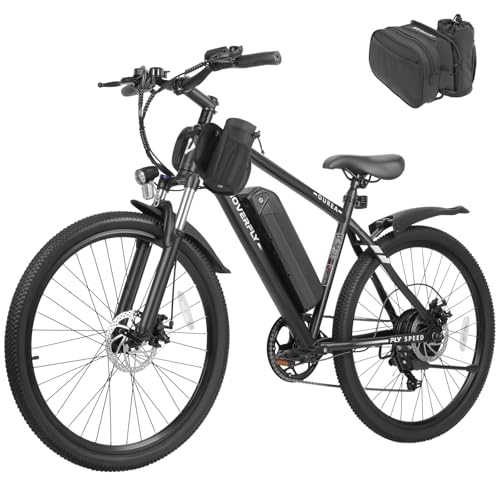
Hoverfly OUREA 26" Electric Bike for Adults, 750W Peak Motor Mountain Ebike, Max 20MPH, Up to 40 Miles, UL2849 Certified, 7-Speed, Removable Battery, Shock Absorber, Electric Bicycle for Commuting
【750W Motor for All Terrain】The Hoverfly electric bike’s 750W motor hits 20 MPH. Perfect for mountains, trails, city…
As an affiliate, we earn on qualifying purchases.
As an affiliate, we earn on qualifying purchases.
Frequently Asked Questions
How Do Authorities Determine Which E-Bike Classes Are Permitted?
Authorities determine which e-bike classes are permitted based on manufacturing standards and rider education. They assess the bike’s specifications, like motor power and speed capabilities, to classify them properly. They also consider rider education programs to guarantee safety. If a Class 2 e-bike meets safety standards and rider training requirements, it might be allowed on certain paths, while others restrict faster, more powerful bikes for safety reasons.
Are There Specific Safety Concerns With Class 2 E-Bikes?
You might be surprised to learn that Class 2 e-bikes, which can reach higher speeds, pose unique safety concerns. Battery safety is a crucial issue because powerful batteries can overheat or cause fires if damaged. Additionally, rider education is essential, as higher speeds require better control. Authorities worry that without proper training, riders could lose control, increasing risks for themselves and others on shared paths.
Can E-Bike Regulations Vary by Region or City?
Yes, e-bike regulations can vary by region or city. Local governments often tailor rules based on urban infrastructure and community needs. They might restrict certain classes of e-bikes to protect pedestrians or guarantee safety. Rider education is also key, as authorities want to make sure riders understand local laws. These variations aim to balance mobility, safety, and infrastructure capabilities, so it’s essential to check your area’s specific regulations before riding.
What Are the Environmental Impacts of Banning Class 2 E-Bikes?
Banning Class 2 e-bikes can reduce noise pollution, making outdoor areas quieter and more peaceful. However, it might lead to increased electric waste, as riders substitute with traditional bikes or cars, which have their own environmental impacts. Without proper disposal, batteries and electronic components from e-bikes can harm ecosystems. Overall, the ban shifts environmental concerns, emphasizing the need for sustainable disposal and noise management strategies.
How Do Enforcement Practices Differ for Class 1 and Class 2 E-Bikes?
You’ll find that enforcement practices differ for Class 1 and Class 2 e-bike classification because of their design distinctions. Class 1 bikes, being pedal-assist only, often face fewer enforcement challenges; authorities mainly check for proper labeling. Conversely, Class 2 bikes, with throttle capabilities, can be trickier to regulate, as they require more specific scrutiny. This disparity demands diligent deployment of detection devices and detailed documentation, making enforcement more complex for Class 2 e-bikes.
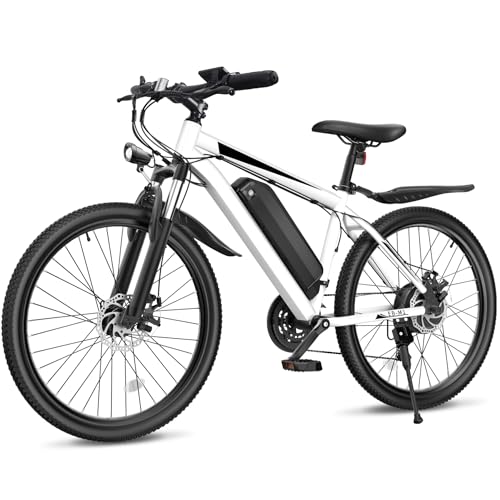
Loeook Electric Bike for Adults, 26" Ebike with 1000W Peak Motor, 20MPH 50Miles Electric Mountain Bike with 48V Removable Battery, 7-Speed, Front Suspension, LCD Display, UL 2849 Certified
500W Powerful Brushless Motor: The electric bike is powered by a high-performance 500W motor (1000W peak), delivering robust…
As an affiliate, we earn on qualifying purchases.
As an affiliate, we earn on qualifying purchases.
Conclusion
Understanding why certain paths welcome Class 1 e-bikes while banning Class 2 is like steering through a maze—each decision aims to balance safety, user experience, and environmental impact. By respecting these rules, you help keep everyone safe and the trails enjoyable. Think of it as a dance where each step matters; following these guidelines ensures you stay in harmony with your surroundings. So, ride wisely and respect the path’s rules—your journey depends on it.

Burley Bee, 1 and 2 Seat, Lightweight, Kids Bike-Only Trailer
Easy-to-use, bike-only design
As an affiliate, we earn on qualifying purchases.
As an affiliate, we earn on qualifying purchases.

Yozma IN10 Electric Dirt Bike, 2600W 40MPH Electric-Motorcycle with 48V/23AH Battery Ebike, Full Hydraulic Brakes and Suspensions Mountain Off-Road E Dirt Bike, for Teens & Adults
High-Performance Motor: Inspired by true motocross, the IN10 electric dirt bike’s 2600W peak mid-drive motor crushes hills and…
As an affiliate, we earn on qualifying purchases.
As an affiliate, we earn on qualifying purchases.