TL;DR

Get bike and ride gear delivered free with Prime
- Fast, free delivery on millions of items
- Prime Video, Amazon Music and more included
- Member-only deals all year
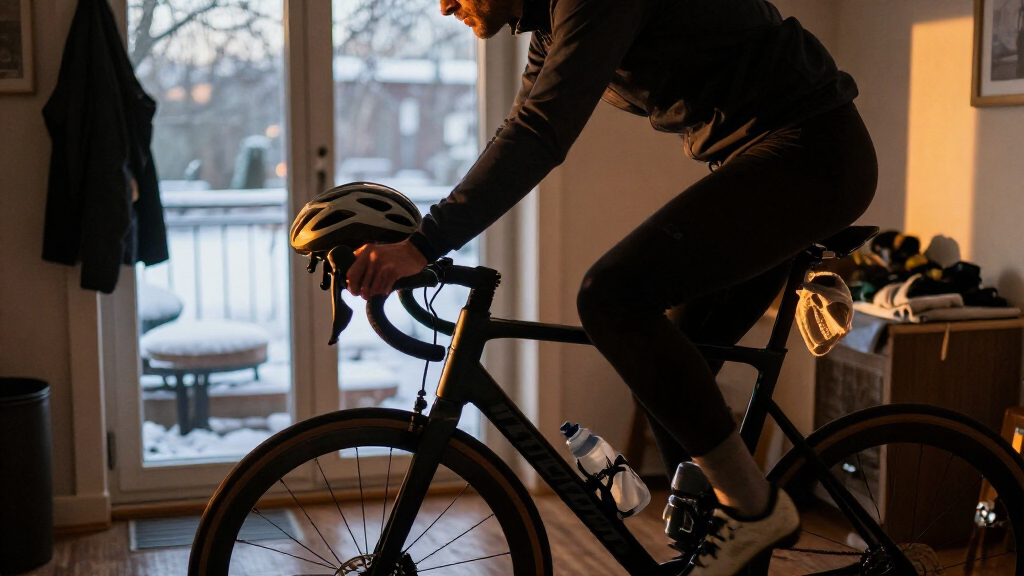
Cycling Weekly has published a guide to starting indoor cycling this winter, with equipment options spanning budget wheel-on trainers, direct-drive models and optional upgrades. It recommends prioritizing a suitable trainer and airflow, while noting that existing cycling or gym clothes can work to start.
Cycling Weekly has published a guide to starting indoor cycling this winter, outlining options from lower-cost wheel-on trainers to direct-drive models, cooling fans and other upgrades. The advice gives riders a way to build a setup around their space and budget, rather than treating specialist clothing or a dedicated indoor bike as required starting purchases.
The guide identifies the trainer as the centrepiece of a basic setup and describes two main types. A wheel-on model presses the rear tyre against a roller and is presented as the more wallet-friendly option. Cycling Weekly says riders may want a dedicated, hard-wearing trainer tyre to reduce wear on their usual road tyre.
A direct-drive trainer replaces the bike’s rear wheel and attaches to the frame. The guide says this type generally offers more accurate power readings, smoother resistance changes and avoids tyre slip. It can also connect with indoor training apps such as Zwift or Rouvy, though the source does not compare specific products or prices.
Cooling is another priority. The report explains that indoor riding lacks the airflow created by forward movement outdoors, so heat and sweat can build up. A fan and breathable clothing can help manage that discomfort. Riders do not necessarily need to buy a new wardrobe: the guide says lightweight summer cycling clothes or breathable gym wear can be used to begin.
Build a Setup Around Your Budget
The practical takeaway is that indoor cycling can start with existing kit and a trainer suited to the rider’s budget. A more expensive direct-drive model may add accuracy and smoother resistance, but the guide presents it as one option rather than a prerequisite. That distinction matters to people deciding whether winter training requires a large upfront purchase.
The report also frames indoor riding as a way to train without outdoor weather and traffic. It says beginners can practise skills such as clipping in and out in a controlled setting, while experienced riders can use structured sessions and repeatable conditions. These are the guide’s stated benefits, not a guarantee of a particular fitness outcome.
For riders who already own a bike, a fan may be a more immediate comfort upgrade than specialist shoes or a dedicated smart bike. Optional equipment can be added later, depending on available space and the rider’s goals.
Popular right now

LG C2 Series 65-Inch OLED evo 4K Smart TV (OLED65C2PUA, 2022)

Dyson Ball Animal 3 Corded Upright Vacuum

Dyson Cyclone V10 Origin Cordless Vacuum
As an affiliate, we earn on qualifying purchases.
From Basic Trainer to Optional Upgrades
The guide presents indoor training as an alternative for winter days when weather makes outdoor riding less appealing. It says that removing traffic, wind and junctions can make workouts easier to structure and repeat. Its mention of a 30-minute high-intensity workout is an example of a short session, not a claim that every rider will achieve the same training response.
Beyond the trainer, fan and clothing, Cycling Weekly discusses indoor-specific shoes as an optional comfort purchase. It says their ventilation can help with hot feet in a static riding position, and some designs use recessed cleats or walking pads to protect floors. The report also mentions smart-bike setups and rollers: the former can remain ready to ride, while the latter can challenge balance. Neither is identified as essential for a beginner.
“The real draw of indoor training is that, once set up, it’s a remarkably ‘faff-free’ pursuit suited to riders of all levels.”
— Cycling Weekly
Prices and Product Choices Vary
The source material does not provide specific product prices, model comparisons or a defined budget range, so readers cannot use it alone to identify the cheapest available trainer or a particular best-value purchase. It also does not give detailed guidance on compatibility between individual bikes, trainers and apps.
The guide’s discussion of equipment benefits is general. It does not quantify how much a fan changes performance, specify a training plan, or establish that indoor sessions produce the same results for every rider. The article excerpt also refers to practical accessories for protecting a bike and home from sweat without naming them in detail.
Choose the First Practical Upgrade
For someone starting out, the guide points toward choosing a trainer first, then checking bike compatibility and available space. Riders can begin with existing breathable clothes and add a fan if heat becomes a problem. Those considering an app-connected or direct-drive setup should compare current product specifications and prices separately, since the source does not list them.
Further purchases are optional: indoor shoes, a smart-bike arrangement or rollers may suit particular comfort, convenience or skills goals. The report does not announce a product release or a future update; its advice is a general winter setup guide.
Key Questions
What is the main equipment needed to start indoor cycling?
The guide identifies a bike trainer as the centrepiece. It also recommends thinking about airflow and clothing, while treating other equipment as optional.
What is the difference between wheel-on and direct-drive trainers?
A wheel-on trainer presses the bike’s rear tyre against a roller. A direct-drive model attaches to the bike after the rear wheel is removed; Cycling Weekly says it generally offers more accurate power readings and smoother resistance.
Do I need special clothes for indoor cycling?
No. The report says lightweight summer cycling clothes or breathable gym wear can work to get started. A fan can help manage heat indoors.
Are indoor cycling shoes or a smart bike essential?
No. Cycling Weekly describes indoor shoes and smart-bike setups as optional upgrades. The guide does not present them as requirements for beginning indoor training.
Source: cyclingweekly.com