Choosing between bells and electronic horns depends on your environment and safety needs. Bells are durable, low-maintenance, and produce a clear, loud sound suitable for busy or outdoor settings. Electronic horns offer adjustable volume and a variety of tones, ideal for situations requiring versatile alerts but require regular upkeep. Consider factors like environmental exposure, existing infrastructure, and maintenance capacity to make the best choice. If you keep exploring, you’ll find more tips to help you decide.
Key Takeaways
- Bells produce consistent, reliable sound with minimal maintenance, ideal for environments requiring simple warning signals.
- Electronic horns offer adjustable volume and tone options, suitable for varying safety needs and noise conditions.
- Bells are more durable in harsh environmental conditions, while electronic horns need regular inspection and environmental protection.
- Electronic horns can be louder and more directional, increasing effectiveness in noisy or large spaces.
- Choice depends on environmental factors, maintenance capacity, and whether adjustable sound levels are necessary.

When it comes to alerting others, bells and electronic horns each have their own advantages and drawbacks. One of the key factors to think about is sound intensity. Bells tend to produce a loud, clear tone that can carry over long distances, especially when struck with sufficient force or when designed with a large enough size. This makes them effective in situations where you need to catch attention quickly, such as in busy industrial settings or on train platforms. However, their sound intensity can be limited by environmental factors like wind or surrounding noise, and their volume cannot be adjusted easily. On the other hand, electronic horns offer adjustable sound levels, allowing you to set the volume according to your specific needs. They can produce extremely loud signals, often surpassing the loudness of bells, and can be designed to emit a variety of tones, which can be useful for different warning scenarios. But keep in mind, the actual sound intensity of an electronic horn depends on the device’s power source and design. If not properly maintained, an electronic horn’s volume may decline over time, reducing its effectiveness. Additionally, the sound projection of electronic horns can be customized with directional placement, enhancing their effectiveness in specific environments.
Speaking of maintenance requirements, bells are generally low-maintenance. Since they have no electronic components, they’re less susceptible to failure caused by electrical issues. Regularly, you just need to think about ensuring the bell and its mounting hardware are secure and free of rust or corrosion. Over time, the metal parts may require cleaning or polishing to keep the sound pure and loud. In contrast, electronic horns require more ongoing attention. Their electronic components, wiring, and power supplies are sensitive to environmental conditions like moisture, dust, and temperature fluctuations. You’ll need to periodically check the wiring connections, replace batteries or keep the power supply in good condition, and ensure the horn’s internal components are functioning properly. If maintenance is neglected, electronic horns may fail to produce the desired sound intensity, or they may stop working altogether, rendering them ineffective when you need them most.
Ultimately, your choice will depend on your specific requirements and environment. Bells offer a simple, durable, and low-maintenance solution with reliable sound intensity, but lack flexibility in volume control. Electronic horns provide adjustable, higher sound intensity options, but demand regular upkeep to maintain their performance. Understanding these differences helps you pick the right warning device for your application, ensuring safety and effective communication whenever needed.

amzluv Bike Phone Holder Mount, Secure Handlebar Phone Mount Holder for Bike and Motorcycle, Suitable for iPhone and 4.5-6.8" Smartphones, Black
- Universal Fit for Smartphones: Fits 4.5-6.8 inch phones up to 3.19 inches wide
- Anti-Vibration Technology: Ensures secure grip on bumpy rides
- 360-Degree Rotation: Adjusts for optimal viewing angles
As an affiliate, we earn on qualifying purchases.
Frequently Asked Questions
Which Warning System Is More Environmentally Friendly?
Electronic horns are generally more environmentally friendly than bells because they produce less sound pollution and use less energy. Bells create loud, continuous noise that can disturb nearby wildlife and communities, while electronic horns can be adjusted for ideal volume and energy efficiency. By choosing electronic horns, you reduce unnecessary noise and minimize energy consumption, making them a more sustainable option for warning systems.
Can Bells or Horns Be Customized for Specific Sounds?
Yes, both bells and horns can be customized for specific sounds. With sound customization, you can select different tones and pitches to suit your needs. Horns often offer more tone variety because they use electronic technology, allowing for a wider range of sounds and easier adjustments. Bells, however, are typically limited to traditional chimes, but some modern versions can be tuned or modified for different tones.
How Do Maintenance Costs Compare Between Bells and Electronic Horns?
The cost comparison shows that electronic horns generally have lower maintenance frequency and costs compared to bells. You’ll spend less on repairs and upkeep because electronic systems are more durable and require fewer adjustments. Bells, on the other hand, need regular inspections and more frequent maintenance to keep them functioning properly. Overall, electronic horns are more economical over time, saving you money and effort in maintenance.
Are There Legal Restrictions on Using Electronic Horns?
You can’t ignore the fact that “rules are meant to be followed.” Legal regulations often restrict electronic horn usage, especially in certain areas or for specific purposes. Usage restrictions may include volume limits, sound patterns, or times of operation. Before installing or using an electronic horn, check local laws to avoid fines or penalties. Staying compliant guarantees your warning system is effective and legally sound.
Which System Offers Better Durability in Harsh Weather Conditions?
You’ll find that bells generally offer better durability in harsh weather conditions thanks to their weather resistance and corrosion resistance. They are simple, with fewer electronic components that can fail in extreme weather, making them more reliable over time. Electronic horns, while versatile, may struggle with moisture and corrosion, reducing their lifespan. For harsh environments, bells provide a more durable and maintenance-free warning system.

JXFUKAL Bike Bags for Bicycle Rear rack - 9.5L/17L/40L Hard Shell Waterproof Bike Ebike Trunk Pannier Saddle Seat Bag Carrier with Reflector, Rain Cover & Shoulder Strap for Commuter Travel Outdoor
- Waterproof Hard Shell: Made of EVA and PU coating
- Multiple Storage Compartments: Includes main, inner, top pockets
- Ample Capacity: 9.5L with organized storage
As an affiliate, we earn on qualifying purchases.
Conclusion
When it comes to choosing an audible warning, you have to take into account your specific needs. Will a traditional bell’s charm and simplicity serve you better, or do electronic horns offer the louder, more versatile alert you require? Ultimately, the decision hinges on your environment and safety priorities. Isn’t it worth asking yourself which option will best alert and protect everyone around you? Make the choice that ensures clear communication and safety every time.

Bike Crossbar Adapter for Bike Rack (32kg/70lbs) - Top Tube Cross-Bar Adjustable - Bicycle Bike Adapter Bar for Low-Step Step-Through Bikes, BMXs, Ladies and Kids Bikes (1 PC)
- Weight and Length: 3.54 lbs, adjustable 23-30 inches
- Max Load Capacity: 70 pounds (32kg)
- Locking Mechanism: Locks when fully extended
As an affiliate, we earn on qualifying purchases.
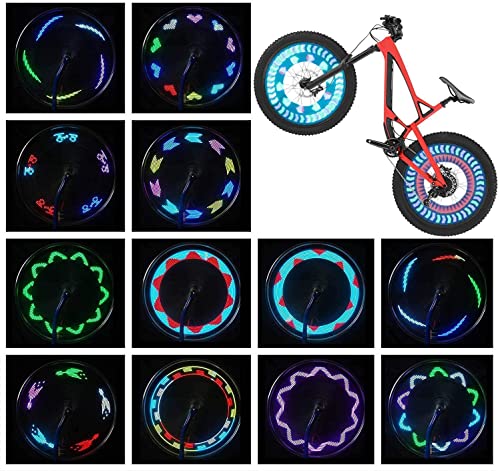
Bike Wheel Lights (2 Pack) - Waterproof LED Bicycle Spoke Tire Lights - 30 Different Patterns Change - Bike Accessories - Black
- Bright RGB LED Lights: 14 colorful LEDs with 8 colors each
- 30 Dynamic Light Patterns: Change every 4 seconds for variety
- Speed-Responsive Effects: Patterns become complete above 13 mph
As an affiliate, we earn on qualifying purchases.